Applying for a visa is often considered one of the most stressful parts of international travel. While filling out the application form is straightforward, the real challenge lies in gathering the supporting documents. These documents serve as the evidence backing up the claims you make in your application. Whether you are applying for a tourist, student, or work visa, the quality and organization of your paperwork can be the deciding factor between an approval and a rejection.
Step 1: Verify the Specific Checklist
Before you begin gathering documents, you must visit the official website of the embassy or consulate of the country you intend to visit. Visa requirements vary significantly based on your nationality, the type of visa, and the destination country. Download the official document checklist provided by the embassy. Do not rely solely on third-party blogs, as immigration rules change frequently. Using the official checklist ensures you do not miss mandatory items or provide outdated forms.
Step 2: Proof of Identity and Civil Status
The foundation of your application is proving who you are. Ensure you have the following ready:
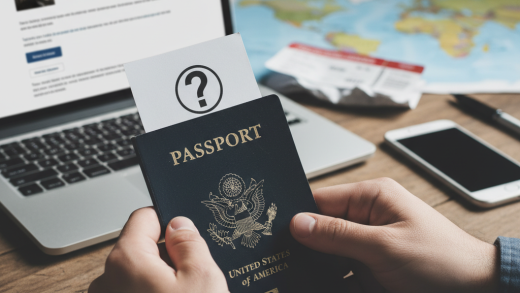
- Valid Passport: It must usually have at least six months of validity remaining beyond your intended stay and at least two blank pages.
- Passport Photos: Adhere strictly to the size and background color specifications (e.g., white background, 2×2 inches).
- Civil Documents: Depending on the visa, you may need birth certificates, marriage certificates, or divorce decrees. Ensure these are original copies or certified true copies depending on the embassy’s preference.
Step 3: Financial Evidence
One of the most common reasons for visa refusal is the failure to prove financial sufficiency. You must demonstrate that you can support yourself during the trip without resorting to illegal employment.
- Bank Statements: typically, the last 3 to 6 months of statements are required. These should be stamped by the bank.
- Employment Proof: A Certificate of Employment (COE) stating your position, tenure, and salary, along with an approved leave of absence.
- Tax Returns: Income tax returns (ITR) from the previous year verify your financial stability.
- Sponsorship Letters: If someone else is paying for your trip, include an Affidavit of Support and their financial documents.
Step 4: Proof of Purpose of Travel
The consular officer needs to know exactly why you are traveling. Your documents must tell a consistent story.
- Itinerary: A day-to-day plan of your activities.
- Flight Reservations: A confirmed round-trip flight reservation (avoid buying the actual ticket until the visa is approved unless mandated).
- Accommodation: Hotel booking confirmations or an invitation letter from a host with their address and ID.
Step 5: Evidence of Ties to Home Country
For non-immigrant visas (like tourist visas), you must prove that you have strong reasons to return home after your trip. This is crucial to dispel the suspicion that you intend to overstay.
Strong evidence includes property titles, vehicle registration, business registration documents, or proof of family obligations (such as caring for elderly parents or minor children). A letter from your employer stating you are expected back at work on a specific date is also powerful evidence.
Step 6: Translations and Notarization
If your supporting documents are not in the official language of the country you are applying to (or in English), you must have them translated. Use a certified translator to ensure accuracy. Some embassies require specific documents to be notarized or apostilled to be considered valid. Always check the specific formatting requirements regarding paper size (A4 is standard in many places) and whether documents should be stapled or paper-clipped.
Conclusion
Preparing supporting documents for a visa application requires attention to detail and patience. By systematically organizing your proof of identity, financial means, purpose of travel, and ties to your home country, you significantly increase your chances of success. Remember, a well-organized application demonstrates respect for the consular process and establishes your credibility as a traveler.