Traveling internationally is an exhilarating experience, but for many, the prospect of navigating border control can be a source of anxiety. Understanding the distinction between immigration and customs is the first step toward a smooth journey. Immigration deals with people; its primary function is to verify your identity and ensure you have the legal right to enter the country. Customs, on the other hand, deals with goods; its purpose is to control what items enter the country to protect the economy, environment, and public safety. This guide provides a detailed walkthrough of the entire process to help you travel with confidence.
Prerequisites and Essential Documents
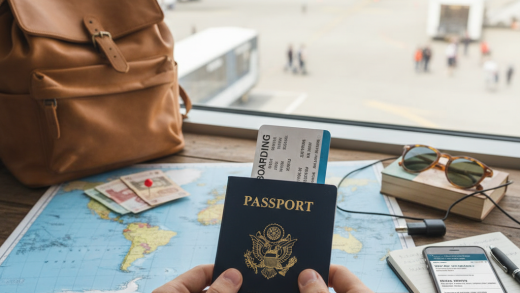
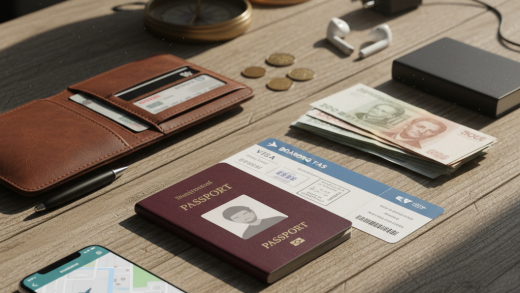
Before you even board your flight, you must ensure you have the necessary documentation. Failing to present these items can result in denied boarding or deportation upon arrival.
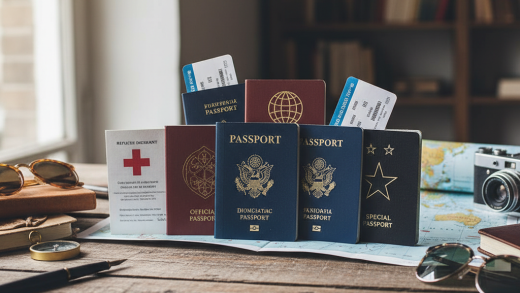
- Valid Passport: Ensure your passport is valid for at least six months beyond your planned date of return.
- Visa or Electronic Travel Authorization (eTA): Check if your destination requires a visa or an online pre-authorization (like ESTA for the USA or ETA for Canada).
- Proof of Accommodation: Have the address of your hotel or host ready, as you will likely need to write this on landing cards.
- Return or Onward Ticket: Immigration officers often require proof that you intend to leave the country.
- Proof of Sufficient Funds: In some cases, you may be asked to prove you can financially support yourself during your stay.
Step 1: Pre-Departure Research and Packing
Compliance begins at home. Every country has specific lists of prohibited and restricted items. Common restrictions include fresh produce, meats, seeds, soil, and weapons. Medications require special attention; ensure all prescription drugs are in their original packaging with your name on the label. It is also wise to carry a doctor’s note for controlled substances. Research the duty-free allowances for alcohol, tobacco, and cash limits (usually around $10,000 equivalent) to avoid fines.
Step 2: Completing Declaration Forms Onboard
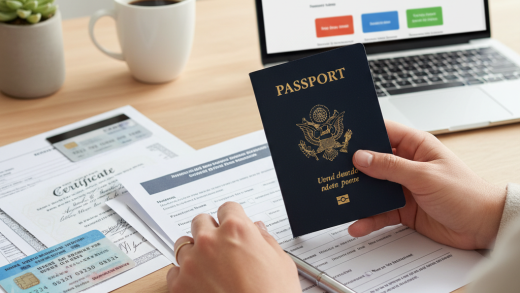
profound Shortly before landing, flight attendants typically distribute customs and immigration forms. Fill these out completely and honestly while on the plane to save time later. You will need your passport number, flight number, and the address of where you will be staying. Do not guess; if you are unsure about a question, leave it blank to ask an officer, or answer ‘Yes’ to declaring items if you have any doubt. It is better to declare an allowed item than to be caught smuggling a prohibited one by mistake.
Step 3: Clearing Immigration Control
Upon arrival, follow signs for ‘Arrivals’ or ‘Passport Control’. You will usually see separate lines for citizens/residents and foreign visitors. When it is your turn:
- Remove hats and sunglasses.
- Have your passport open to the photo page and your boarding pass ready.
- Answer the officer’s questions clearly and concisely. Common questions include ‘What is the purpose of your visit?’ and ‘How long will you be staying?’.
- Provide biometric data (fingerprints or photos) if requested.
Once the officer stamps your passport, you have legally entered the country.
Step 4: Baggage Claim and Customs Inspection
After clearing immigration, proceed to baggage claim to collect your luggage. Once you have your bags, you will move toward the Customs exit. Many airports use a Red Channel/Green Channel system:
- Green Channel: Use this if you have ‘Nothing to Declare’ (you are within duty-free limits and have no restricted items).
- Red Channel: Use this if you have ‘Goods to Declare’ (you exceed allowances or are carrying commercial goods).
Even if you choose the Green Channel, officers perform random spot checks. If you are stopped, remain polite and allow them to scan or open your luggage. If you have declared food or other items, show them to the officer immediately. In most cases, if the item is prohibited but declared, it will simply be confiscated without a fine. If it is undeclared, you face heavy fines.
Successfully navigating customs and immigration is ultimately about preparation and honesty. By researching the rules of your destination beforehand and being transparent with border officials, you can avoid delays and start your trip on a positive note. Remember, border agents are there to ensure safety; cooperation and a polite demeanor go a long way in expediting the process.