
Beyond the Mega-Resorts: 5 Undiscovered Caribbean Islands for the Discerning Traveler
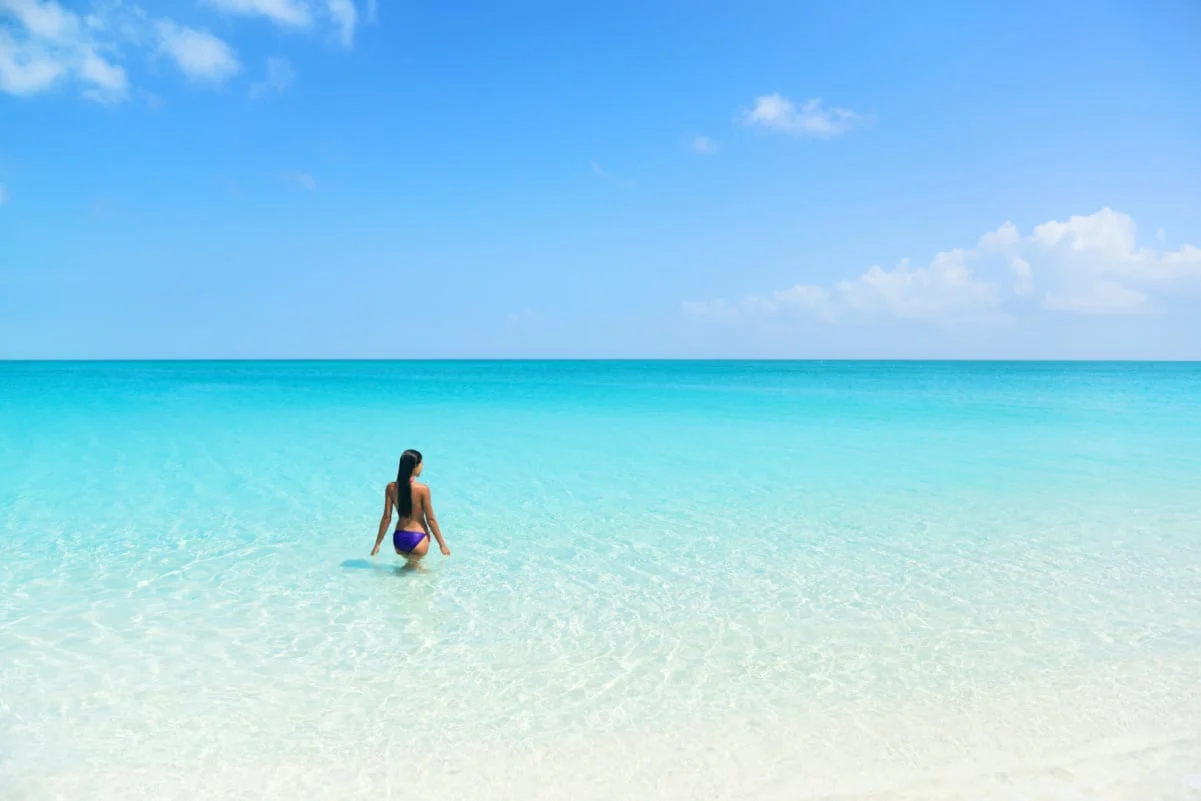
For the seasoned traveler, there is a familiar, sinking feeling that often sets in upon arrival at a major Caribbean hub: the realization that the "paradise" you booked has been eclipsed by the realities of mass tourism. It is the two-hour queue at customs, the deafening roar of jet skis, and the struggle to secure a patch of sand amidst the shadow of five massive cruise ships docked in the harbor. Increasingly, the most popular corners of the Caribbean have begun to resemble high-density theme parks rather than the tranquil, isolated retreats that once defined the region’s allure.
However, the dream of an unspoiled Caribbean remains very much alive. It simply requires a departure from the well-trodden paths that millions of winter travelers follow each year. While the masses descend upon the same handful of over-developed resort strips, a select group of under-the-radar islands is quietly gaining traction, earning praise from travel authorities including National Geographic, Condé Nast Traveler, AFAR, Fodor’s Travel, Travel + Leisure, Forbes, and Lonely Planet. These destinations offer a reprieve from commercialization, characterized by volcanic landscapes, car-free zones, and a renewed accessibility thanks to strategic new flight routes.
The Rise of the Nature Island: Dominica
Dominica stands as the antithesis of the modern, cookie-cutter beach destination. While other islands compete to see who can build the most sprawling, all-inclusive complex, Dominica has leaned into its identity as the "Nature Island." Here, the primary luxury is not a manicured pool deck, but rather the untamed environment: dramatic volcanic peaks, cascading waterfalls, and natural hot springs that offer a therapeutic connection to the earth.
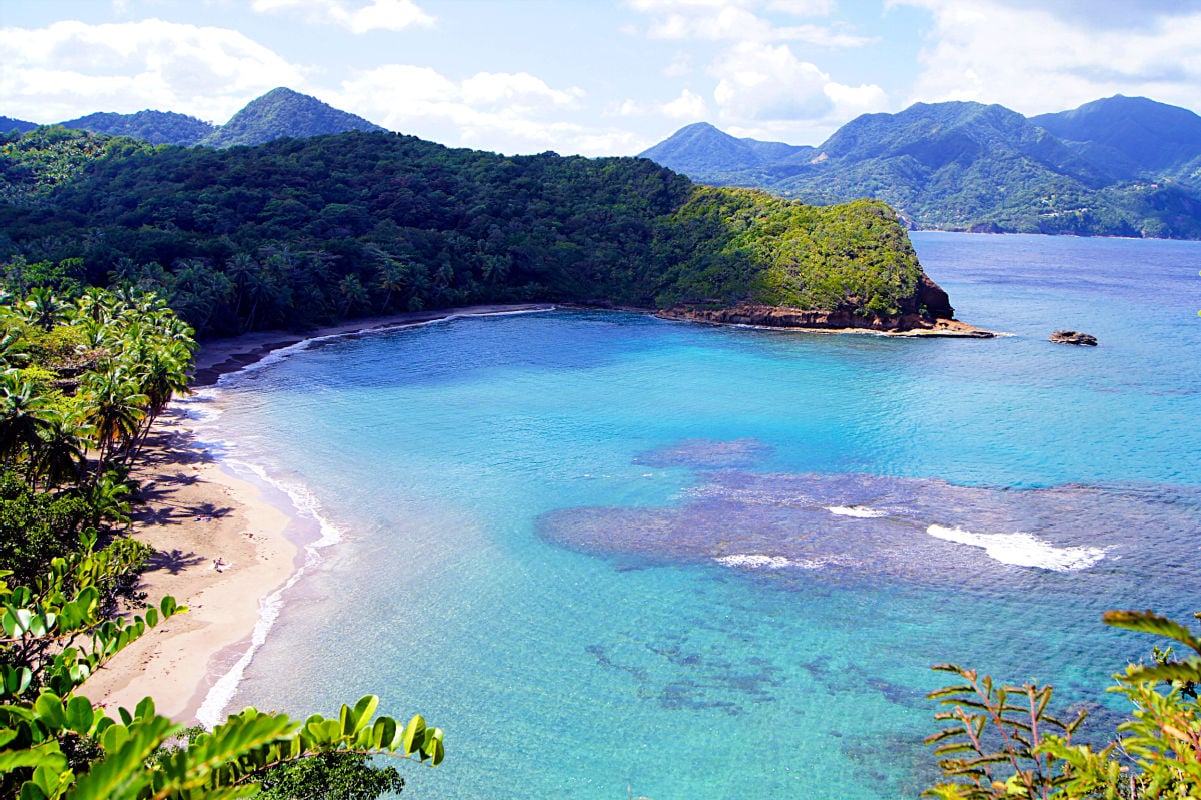
The year 2026 has proven to be a pivotal moment for the island. Its commitment to environmental preservation reached a global milestone with the establishment of the world’s first sperm whale reserve, solidifying its status as a premier destination for ecological tourism. Complementing this is the inauguration of a sophisticated cable car system, which allows visitors to traverse the rugged interior and witness the island’s sweeping, untouched vistas from a vantage point that was previously inaccessible to the average traveler. Furthermore, the logistical hurdle of reaching this remote paradise has been significantly lowered; daily nonstop flights from Miami have effectively brought the island within reach for the weekend traveler, removing the necessity for complex regional connections.
The Emerald Pyramid: Saba
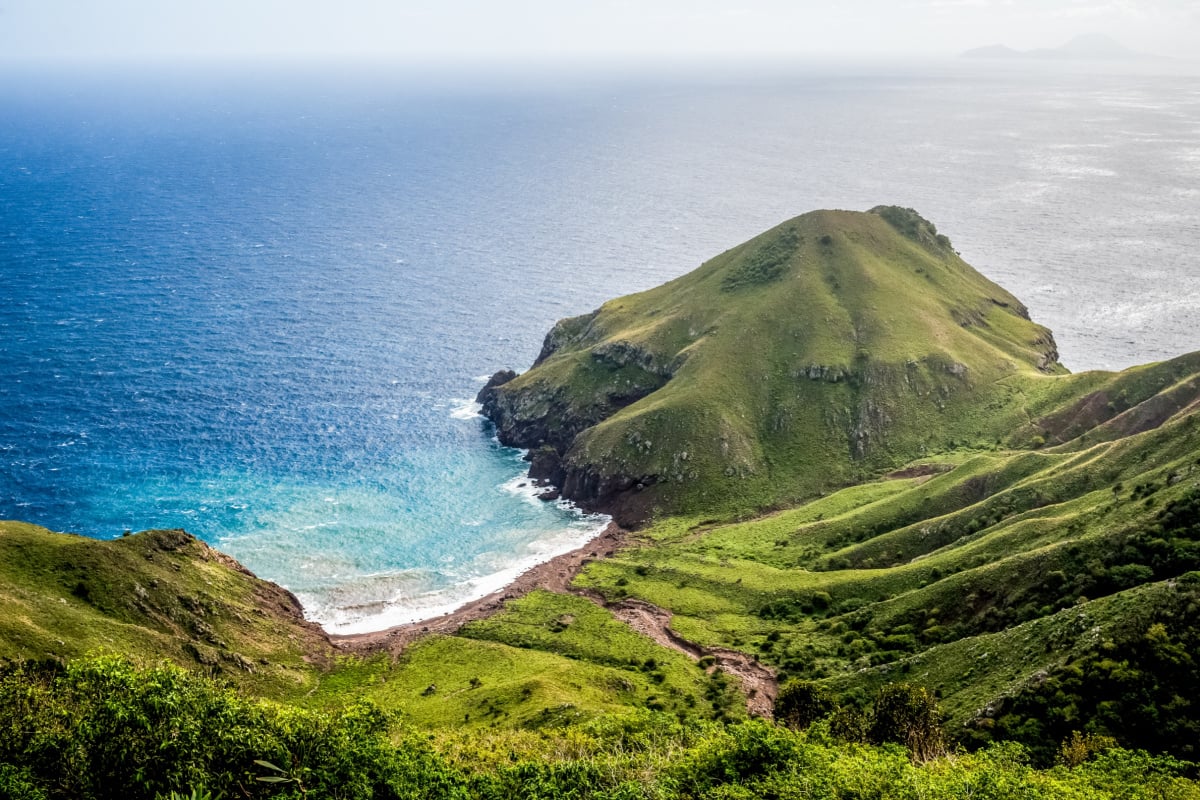
At a mere five square miles, Saba is perhaps the most intriguing "curiosity gap" in the Western Hemisphere. It is an island that defies the traditional Caribbean script: there are no massive cruise ship terminals, no multinational hotel chains, and, perhaps most surprisingly, no traditional sandy beaches. Instead, the island rises from the Caribbean Sea like a sheer, emerald-green pyramid. Its landscape is defined by red-roofed gingerbread cottages that cling to the sides of volcanic cliffs, connected by winding, misty trails that lead into high-altitude cloud forests.
The appeal of Saba lies in its verticality and its isolation. Because the island is essentially the exposed tip of a dormant volcano, the diving experience is world-class. Beneath the surface, visitors encounter dramatic lava formations, towering pinnacles, and coral reefs that remain blissfully unaffected by the pressures of mass tourism. Above the water, the mountain villages offer a level of safety, cleanliness, and authentic charm that is increasingly rare in the region. It is a place for those who seek to experience the Caribbean as a dramatic geological spectacle rather than a sun-lounger-centric retreat.
The Tranquil Sister: South Caicos
The turquoise waters of Turks and Caicos are world-renowned, yet the experience of visiting the main island of Providenciales during the winter peak can be overwhelming. For those who crave that iconic, electric-blue water without the crushing density of the primary tourist hubs, South Caicos serves as an ideal alternative. With a local population of roughly 1,000, this sister island offers a serene, almost meditative pace of life.
The development of South Caicos has been deliberate and measured. Its status as an emerging "must-visit" destination is largely driven by its sudden shift in accessibility. New winter nonstop flight services from both Miami and the New York area have replaced what was once a multi-hop, time-consuming journey with a direct, efficient arrival. This newfound convenience coincides with the opening of high-end, low-density accommodations like the Salterra resort, which provides the level of five-star comfort expected by modern travelers while maintaining the island’s core identity as a place "off the grid." Here, the landscape is defined by wild flamingos, historic salt ponds, and vast, empty stretches of shoreline.
The Sailor’s Secret: Bequia
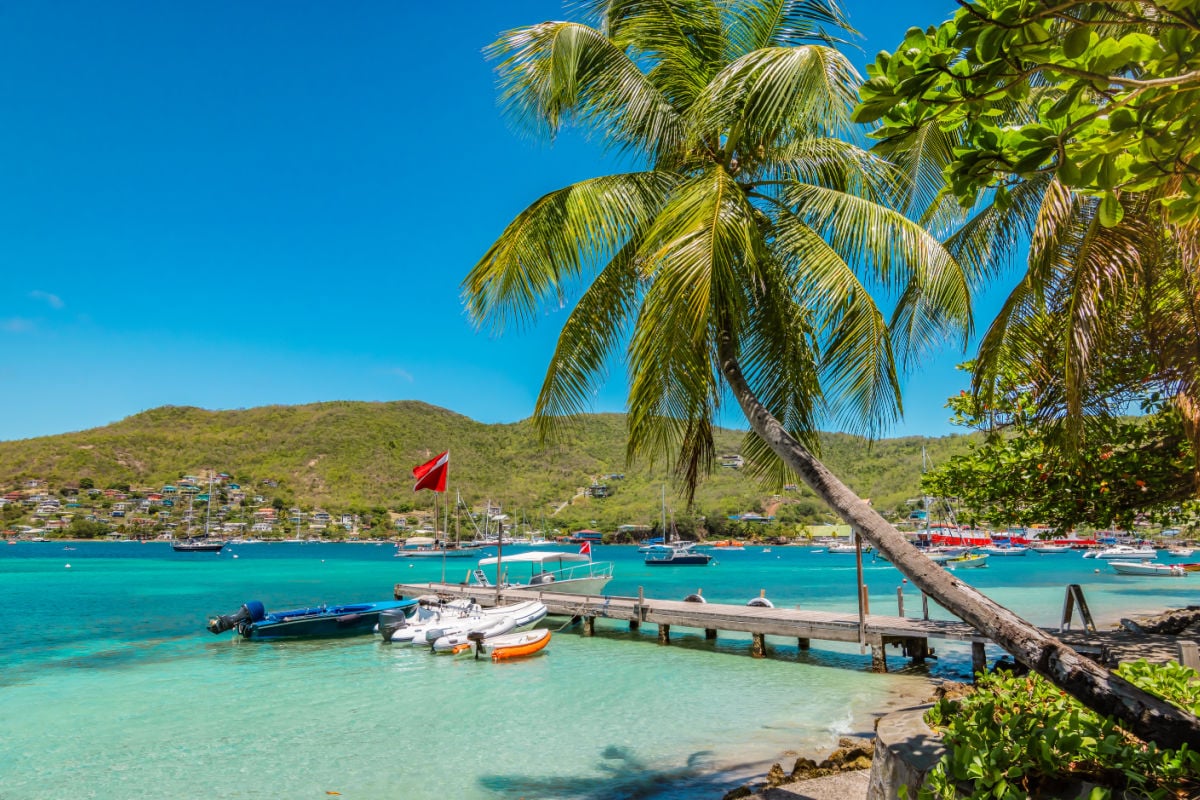
Pronounced "Beck-way," this breezy, laid-back gem in St. Vincent and the Grenadines has long been an open secret among the sailing community. Located just ten miles from the celebrity-studded shores of Mustique, Bequia offers an aesthetic that is arguably just as stunning—featuring crescent-shaped bays and pristine turquoise anchorages—but without the velvet ropes, paparazzi, or inflated price tags that define its more famous neighbor.
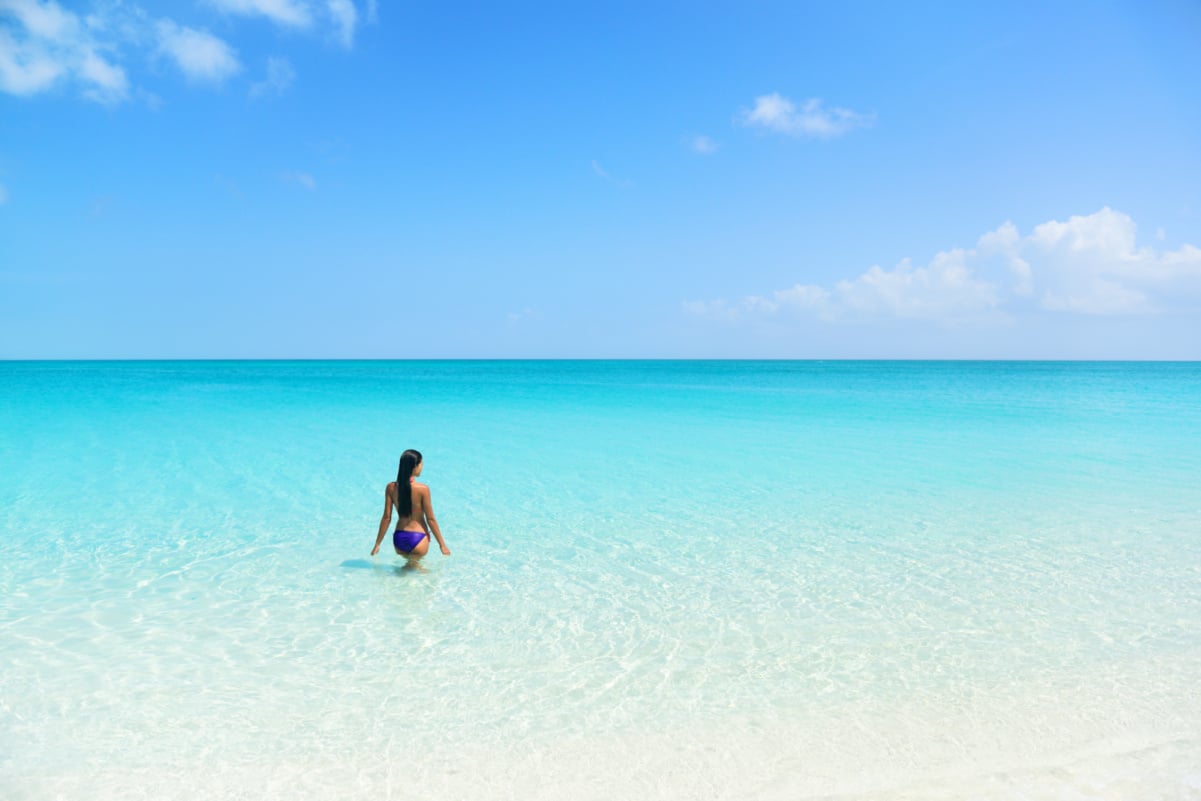
Bequia is a testament to the endurance of old-school Caribbean culture. The heartbeat of the island is found in the harbor, where the daily rhythm is dictated by the arrival of yachts and the local fishing trade. The hospitality here is unpretentious; visitors are encouraged to drop their sandals at the door of open-air bars and enjoy the sunset in a setting that feels immune to the pressures of mass commercialization. It is a destination for those who value authenticity over glamour, providing a rare opportunity to engage with the Caribbean as it existed before the arrival of massive resort infrastructure.
History and Adventure: Sint Eustatius (Statia)
Locally known as "Statia," Sint Eustatius represents one of the most overlooked and peaceful corners of the Dutch Caribbean. While neighboring Sint Maarten contends with the heavy traffic of cruise passengers and large-scale aviation, Statia remains a quiet, historic sanctuary. The island offers a dual appeal: a deep, colonial history preserved in the 18th-century cobblestone ruins of Oranjestad, and a rugged, raw outdoor adventure culture.
The centerpiece of Statia’s adventure offerings is "The Quill," a dormant volcano that invites hikers to summit its rim and descend into the lush, protected rainforest that thrives within the crater. It is an immersive experience that stands in stark contrast to the standard beach vacation. Furthermore, the maritime history of the island is reflected in its underwater environment; divers have access to dozens of uncrowded, historic shipwrecks and vibrant coral reefs. It is a destination that rewards the curious and the active, offering a profound sense of solitude in one of the region’s most historic settings.
For those planning a journey to these smaller, under-the-radar destinations, logistical preparation is essential. Travel to islands like Saba, Statia, or Bequia often requires a final leg via regional "puddle-jumper" aircraft or local ferries. These smaller transport vessels often enforce strict luggage weight limits and have minimal storage capacity. Travelers are advised to opt for soft-sided carry-ons or high-quality technical daypacks rather than large, hard-shelled suitcases. Furthermore, given the terrain of islands like Dominica and Statia, packing sturdy trail shoes is a necessity for those planning to explore volcanic peaks or crater trails. Finally, it is a practical piece of advice to keep a swimsuit in your personal carry-on item; when traveling to smaller islands, your room may not be ready immediately upon arrival, but the beach is always waiting.
| Source | : | Open Passport |
| Author | : | Iffa Jayyana |
| Editor | : | Open Passport Editorial Team |
