
Holiday Travel Alert: TSA Reveals the Top Items That Cause Airport Checkpoint Delays
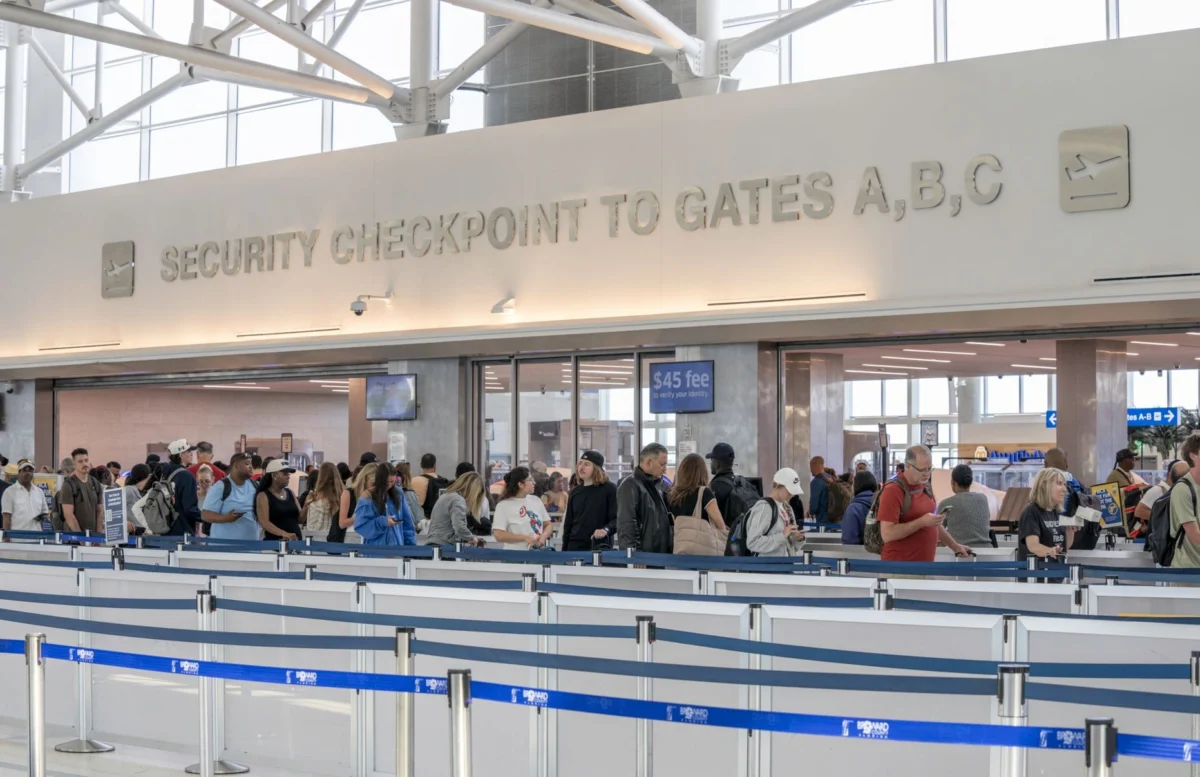
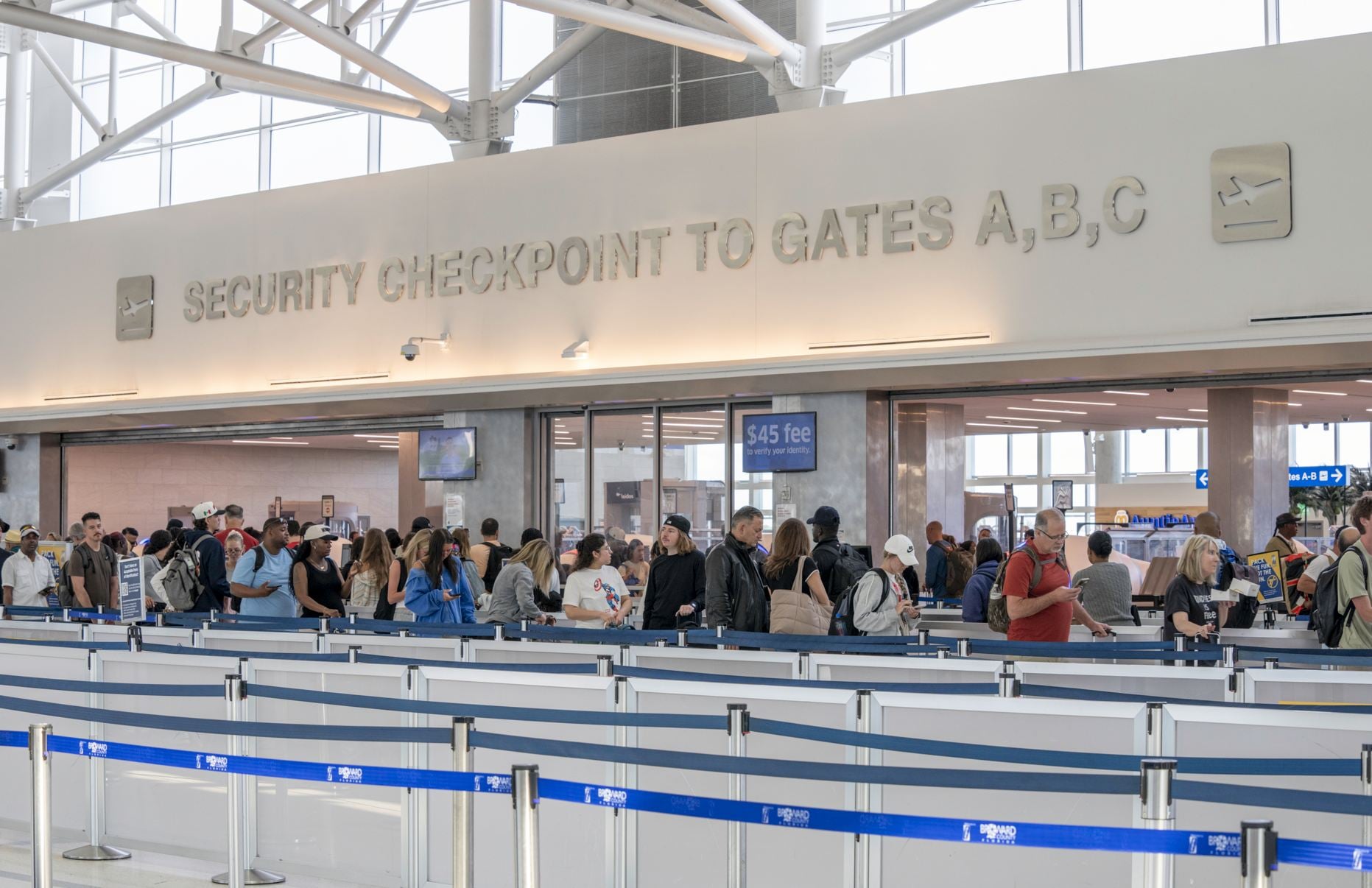
As the holiday season approaches, airports across the United States are preparing for the most intense travel window of the year. From the rush of Thanksgiving through the final departures of the New Year’s Day holiday, millions of passengers will navigate security checkpoints, often facing longer-than-usual wait times. While aviation authorities and airlines work to streamline operations, the Transportation Security Administration (TSA) reports that a significant portion of checkpoint congestion is self-inflicted, caused by well-meaning travelers attempting to bring holiday-themed items through carry-on screening.
Even for frequent flyers who have mastered the art of the 11-month travel routine and glide through TSA PreCheck with ease, the holiday season presents a unique set of challenges. Between the desire to transport homemade culinary gifts, the logistical puzzle of fitting presents into carry-on luggage, and the confusion stemming from conflicting reports about global liquid rule changes, many passengers inadvertently turn their carry-on bags into a logistical nightmare for security officers. These items, when scanned, frequently trigger alerts that force the bag to be diverted for a time-consuming secondary inspection, effectively stalling the entire checkpoint lane.
Understanding the Liquids Rule and Culinary Constraints
A common point of confusion for modern travelers involves the recent headlines emerging from various international airports. Many travelers have seen reports regarding European terminals adopting next-generation 3D scanners that allow for the relaxation of the long-standing 100-milliliter liquid restriction. However, the TSA has issued a firm reminder that such news does not apply to the current domestic landscape in the United States. While the agency is in the process of rolling out advanced 3D CT scanning technology across American airports, the legacy 3.4-ounce (100 ml) liquid rule remains strictly enforced at checkpoints nationwide.
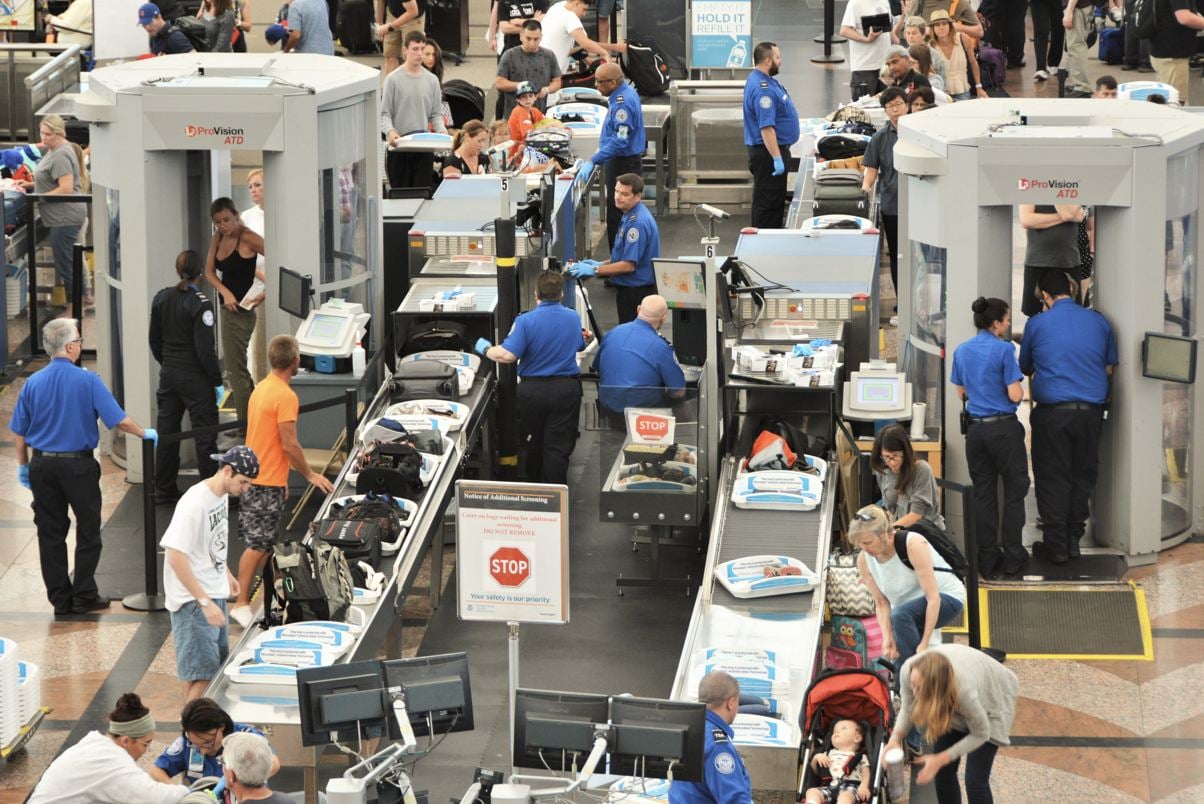
The primary hurdle for holiday travelers is a fundamental misunderstanding of what the TSA classifies as a liquid. The agency’s "golden rule" is absolute: if an item can be spilled, spread, sprayed, pumped, or poured, it is considered a liquid by security standards. This oversight causes thousands of jars of homemade cranberry sauce, containers of turkey gravy, artisanal jams, jars of creamy peanut butter, soft cheeses like brie or camembert, and bottles of maple syrup to be flagged daily during the winter months.
Furthermore, the issue extends to temperature-control items. Travelers often pack gel-based ice packs to keep perishable holiday food fresh, unaware that the status of these items is critical. Unless an ice pack is frozen completely solid at the time it reaches the security belt, it will be treated as a liquid or a gel, often leading to confiscation. To avoid the frustration of losing these items or enduring a secondary screening, the TSA recommends that travelers bubble-wrap these goods and place them securely in their checked luggage rather than attempting to bypass the rules in a carry-on.
The Complications of Wrapped Holiday Gifts
The ritual of giving is a cornerstone of the holiday season, but bringing beautifully wrapped presents through airport security is a frequent source of traveler heartbreak. While the TSA does not explicitly forbid passengers from carrying wrapped gifts through a checkpoint, the reality of scanning technology makes the practice highly impractical.
When a passenger places a gift box on the conveyor belt, security officers must be able to verify the contents using X-ray or CT imaging. If a box contains items with dense shapes, complex electronics, metallic tins, or multi-layered packaging that obscures a clear view, the item will be pulled for a physical inspection. Under strict security protocols, this means an officer may be required to unwrap the package or cut through decorative ribbons and paper to confirm the contents. This process not only ruins the aesthetic of the gift but also creates a bottleneck for other passengers waiting in line. To mitigate this risk, travelers are advised to utilize reusable gift bags with tissue paper, which allow for quick visual verification, or simply wait to wrap their presents until they have reached their final destination.
The Logic Behind Snow Globe Restrictions
Perhaps one of the most unexpected items to frequently disrupt the security line is the decorative holiday snow globe. These festive souvenirs are often caught in the crosshairs of security because they lack standardized labeling for their liquid content. Because these globes are factory-sealed, officers have no way of knowing if the liquid volume exceeds the permitted limit.
To maintain consistency, the TSA applies a strict visual test. A snow globe is only permitted in a carry-on bag if it appears to contain less than 3.4 ounces of liquid. In practical terms, this means the entire object—including its base—must be no larger than a standard tennis ball. Furthermore, it must fit comfortably inside the passenger’s single, quart-sized clear plastic bag designated for liquids. Any globe exceeding these dimensions will be flagged, and because they cannot be cleared through the scanner, they are frequently rejected at the checkpoint, forcing the passenger to either abandon the item or attempt to check it as luggage, which is often not feasible at the security gate.
Dense Foods and the Challenges of X-Ray Physics
The holiday season is synonymous with dense, indulgent foods, from fruitcakes and fudge to massive blocks of gourmet cheese. While these items are perfectly legal to fly with in a carry-on, they often trigger a secondary screening due to the way they interact with security scanners.
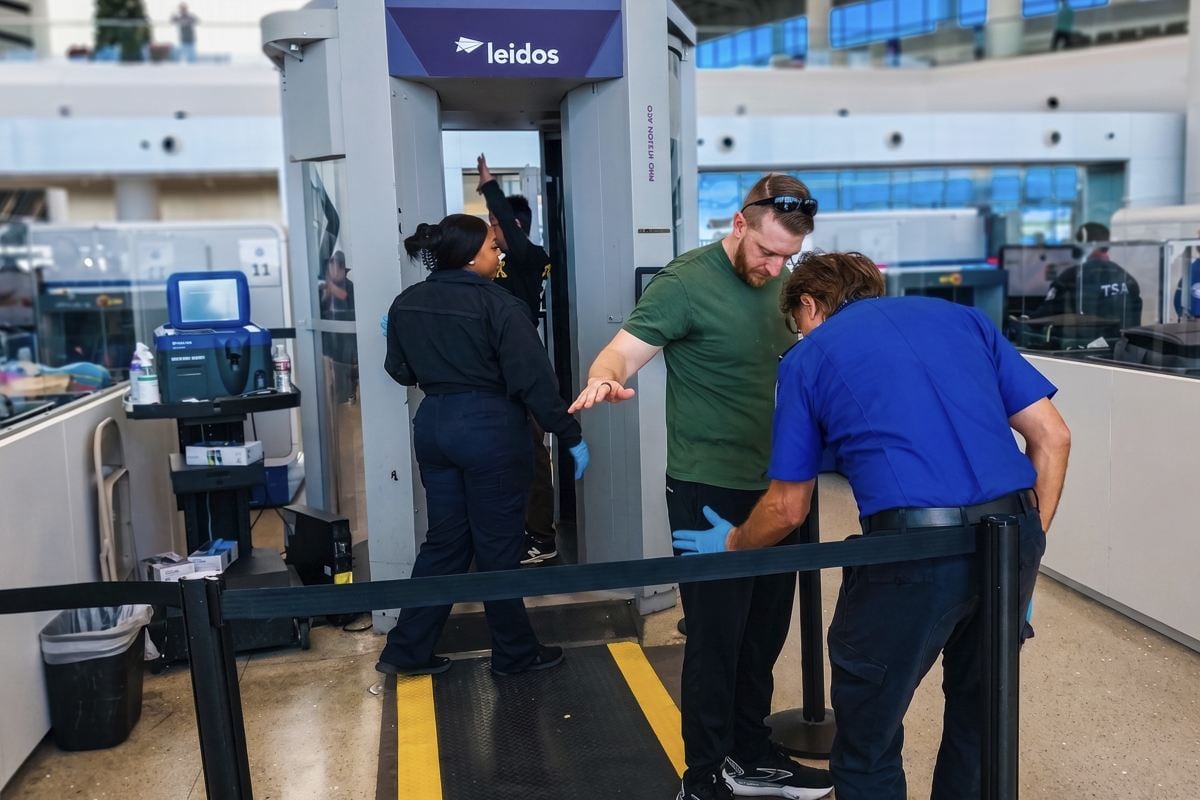
The issue often arises when these foods are wrapped in thick, heavy-duty aluminum foil, which can block X-ray penetration, creating a "blind spot" on the monitor. Even without foil, dense, organic masses like fruitcake or blocks of cheese appear on the scanner screen with a density that can mimic other substances. When an officer is unable to verify the organic material, they must conduct an explosive trace swab test, which involves pulling the bag aside and opening the container. To prevent this, passengers should opt for clear plastic wrap or transparent, reusable containers. Additionally, proactively removing dense food items from a carry-on bag and placing them in a separate bin—much like a laptop—can often save time and prevent the need for an invasive physical inspection.
Navigating Alcohol and Spirits
For those bringing festive beverages or mini-bottles of liquor as stocking stuffers, the rules surrounding alcohol are precise and rigid. Full-sized bottles of holiday wine, champagne, eggnog, or spirits are prohibited in carry-on luggage if they exceed the 3.4-ounce limit. These items must be placed in checked bags or purchased at duty-free shops within the terminal after the passenger has cleared security.

Small 50-milliliter "shooter" bottles of liquor are permitted in carry-on bags, provided they fit comfortably inside the passenger’s designated quart-sized liquids bag alongside other toiletries. However, travelers must remain aware that Federal Aviation Administration (FAA) regulations strictly prohibit the consumption of personal alcohol on an aircraft. Furthermore, safety regulations prohibit any alcohol exceeding 140 proof (70% ABV) in both carry-on and checked luggage, as these items are classified as hazardous materials due to their flammability. Before heading to the airport, travelers are encouraged to verify that their holiday spirits fall within these established safety parameters to ensure a smooth transition through the terminal.
| Source | : | Open Passport |
| Author | : | Pevita Pearce |
| Editor | : | Open Passport Editorial Team |
