
Optimising Operating Margins: How Advanced Aviation Fluids Can Drive Efficiency in a Volatile Market
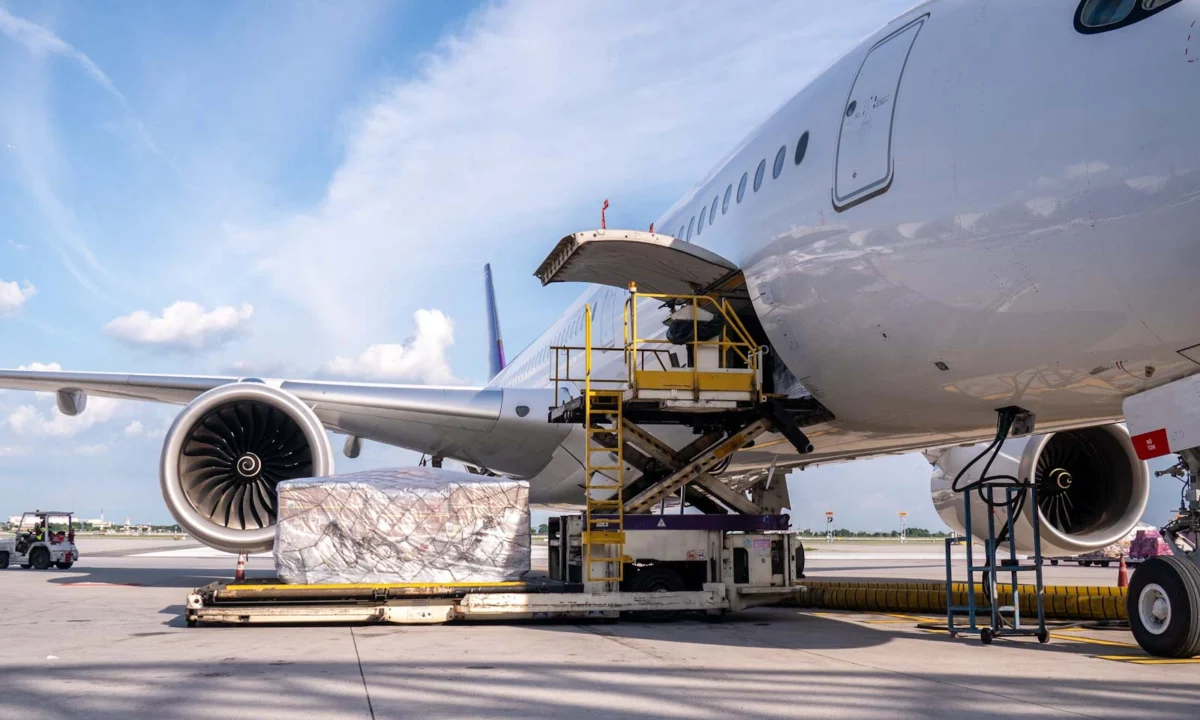
Operating within the aviation sector has long required navigating notoriously tight financial margins. In an industry where profitability can fluctuate rapidly based on external pressures, every component and consumable counts toward the bottom line. A comprehensive new report highlights the often-overlooked operational efficiencies and significant cost savings that can be achieved simply by selecting the optimum smart fluids and specialised oils for commercial and cargo fleets.
The publication, titled Oiling the Wheels of Progress: How Smarter Fluids Optimise Operating Costs in Aviation, was commissioned to explain the multiple operational and financial advantages enabled by the deployment of advanced, high-performance fluids. Featuring insights and examples provided by globally recognised aviation businesses, the report details how targeted lubrication strategies can deliver measurable efficiency gains across various aircraft components.
In an effort to tighten budgets during challenging economic periods, some operators may mistakenly believe that avoiding new investments is the safest path forward. This conservative mindset often involves sticking strictly with tried-and-tested products and long-standing local suppliers. However, when it comes to sophisticated aviation oils and fluids, resisting innovation can inadvertently obscure critical areas for improvement, introducing risks of longer-term inefficiencies, unexpected component wear, and elevated maintenance expenditures.
Addressing Inefficiencies in Aviation
The modern aviation industry remains precariously balanced in terms of commercial viability. While global air passenger numbers have successfully rebounded from the severe disruptions witnessed during the height of the COVID-19 pandemic, the broader ecosystem continues to operate in a fragile state, highly vulnerable to geopolitical and macroeconomic shocks.
Data from GlobalData’s Global Passenger Airlines database confirms that 2024 marked a historic turning point, representing the first year to successfully surpass pre-pandemic levels of commercial short-haul and long-haul flights. While this resurgence in passenger demand is a positive indicator for the sector, the full breakdown of underlying market statistics published within the report underscores the complex realities that operators continue to face on a daily basis.
Commercial passenger airlines and dedicated cargo operators must continuously navigate persistent supply chain bottlenecks, component shortages, and the fluid uncertainty of changing trading relationships between different regions and nations. Any disruption within these critical networks can quickly result in extended maintenance schedules, grounding aircraft longer than planned. Furthermore, supply chain friction can occasionally make it difficult to obtain first-choice components, forcing operators to rely on backup options that may operate at lower levels of efficiency.
Compounding these operational hurdles is the unpredictable nature of geopolitical events and shifting international trade pacts, which can occasionally present sudden barriers for aviation businesses attempting to operate or service fleets in specific global locations. On top of these logistical challenges, operators must constantly monitor and factor volatile global oil prices into their overarching financial decision-making and route-planning strategies.
This multitude of interacting economic and operational factors means that any domain where sustainable efficiencies can be realised is fiercely sought after by airline executives and fleet managers. Lubrication and fluid management, while frequently relegated to the background of fleet operations, represent a critical frontier for cost control.
Understanding the Advantages of Oils
The new report outlines several compelling examples of the unique challenges faced by freight businesses and airlines operating heavier aircraft. These larger, heavily laden planes naturally place significantly greater thermal and mechanical strain on turbine oils and mechanical lubricants. If these demanding conditions are left unaddressed through inferior or outdated lubrication choices, the resulting wear and tear can translate into substantial financial burdens for businesses.
"Oil-related reliability issues can be a significant cost driver, not only to equipment costs, but possible customer satisfaction if these impacts affect scheduled flights due to aircraft downtime," explains Tom H Kim, global chief engineer of aviation lubricants at ExxonMobil.
Elaborating on the financial scale of these maintenance events, Kim adds that the direct cost to repair can range from $30,000 and above per generator removal, not to mention the secondary financial losses associated with compromised aircraft availability and schedule disruptions.
The immense expenses required to rectify these sudden mechanical issues exert a severe downward pressure on the profitability of both passenger and cargo operators. To avoid these spiralling costs, aviation businesses must maintain a deep understanding of the exact oils used across their fleets, continuously evaluating whether these products represent the optimal choice for specific aircraft operating on designated flight routes.
Modern operators are encouraged to closely scrutinise every single oil product utilised within an aircraft’s critical components. This requires running rigorous performance tests to verify how effective current lubricants are, and whether modern alternatives exist that can safely enable higher levels of operational performance and component protection. Conducting such comprehensive analyses can undeniably demand time and engineering resources that busy aviation businesses may feel they lack in their daily routines.
In addition, higher-performance technical solutions frequently carry a higher upfront purchase price than the legacy products traditionally used across an operator’s existing fleet. Despite this initial cost differential, the report demonstrates the profound difference that deploying the right fluid solution can make to overall operational efficiency and long-term asset protection.
For instance, the historical development of proven products like Mobil Jet Oil II was built upon a foundation of more than 60 years of actual flight experience. This extensive heritage translates to approximately five billion hours of reliable on-wing performance. Specially formulated fluid solutions of this calibre are engineered to optimise critical seal life while extending the operational lifespan of vital engines, internal gears, and heavy-duty bearings.
The report also incorporates a series of detailed case studies contributed by globally recognised airlines and commercial operators. These real-world accounts outline the substantial difference that transitioning to ExxonMobil as a trusted supplier has made in helping to improve the overall reliability, efficiency, and safety of their respective fleet operations.
As the global aviation community continues to manage heightened levels of operational uncertainty, macroeconomic volatility, and stringent environmental expectations, advanced fluid technologies remain a vital tool. Specialized products help deliver essential efficiencies and unwavering reliability for the modern aviation industry, offering a clear path toward sustainable operations in a demanding global marketplace.
| Source | : | Open Passport |
| Author | : | Iffa Jayyana |
| Editor | : | Open Passport Editorial Team |
