
Montenegro Emerges as a Top Adriatic Destination as U.S. Tourism Surges 33%
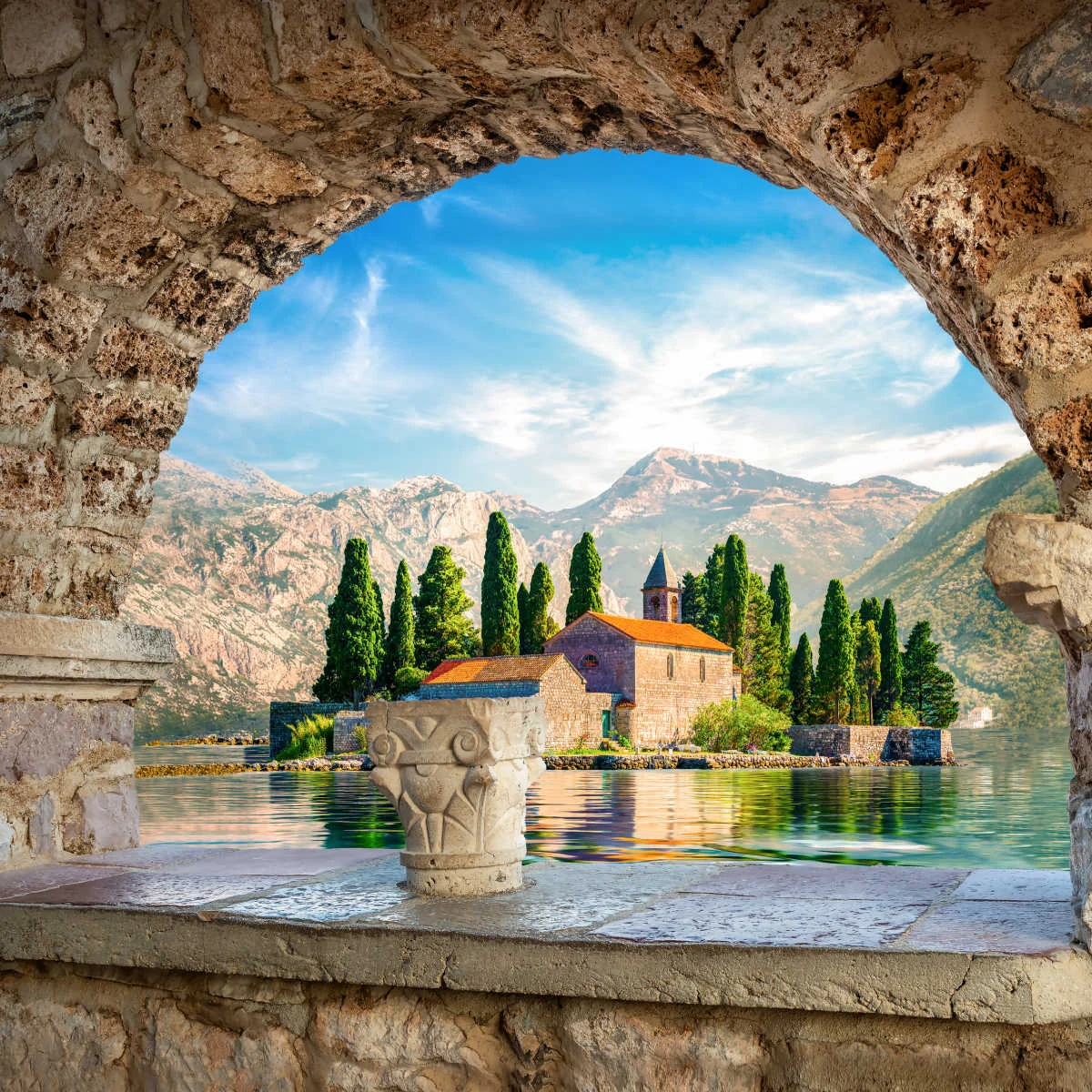
When travelers dream of the Adriatic, the majestic medieval walls of Dubrovnik or the sprawling, sun-drenched Roman ruins of Split in Croatia usually dominate the conversation. For years, Croatia has stood as the undisputed heavyweight of European summer tourism, drawing millions to its crystalline shores. However, a significant shift is occurring just to the south, as a neighboring nation begins to capture the imagination of American travelers. Montenegro, a country defined by its dramatic mountain-meets-sea topography, is rapidly evolving from an under-the-radar secret into a primary rival for the hearts of international visitors.
The latest tourism data confirms this trend is far from a minor fluctuation. According to figures released by Montenegro’s Ministry of Tourism on November 17, the country welcomed 71,262 American visitors between January and September 2026. This represents a staggering 33% increase in U.S. arrivals compared to the same period in 2025. With overnight stays also climbing by 27%, the data suggests that American tourists are not just passing through for a day trip; they are increasingly choosing to make Montenegro the focus of their European vacations.
A Rising Contender in the Mediterranean
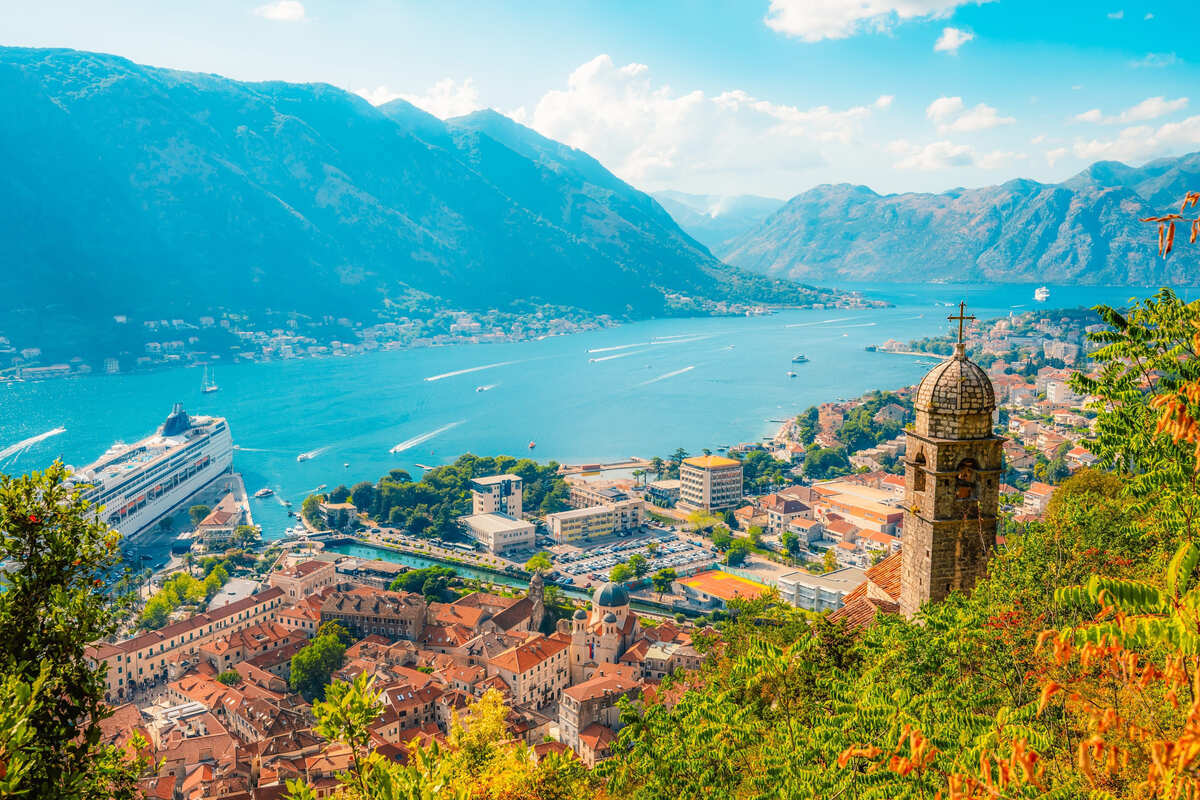
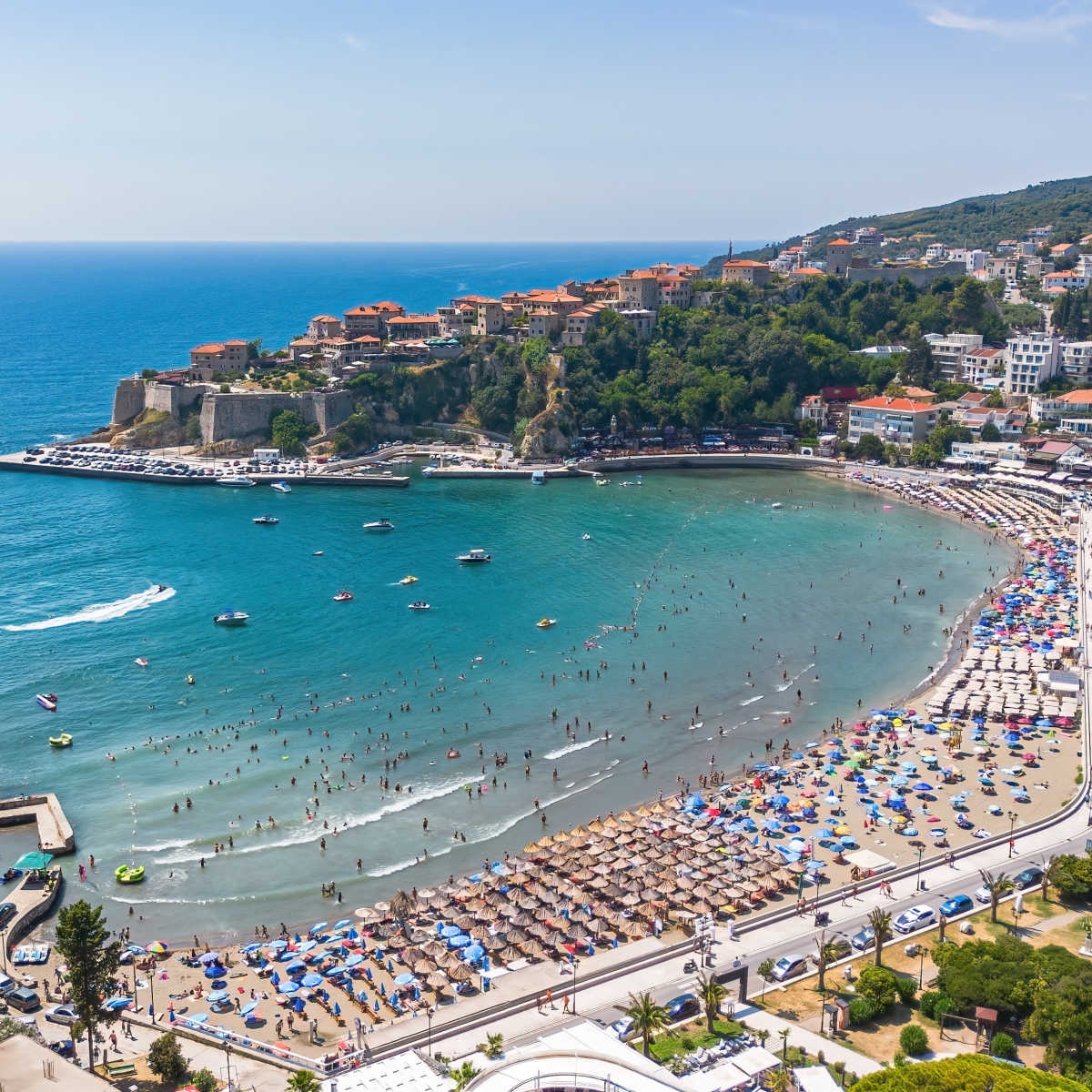
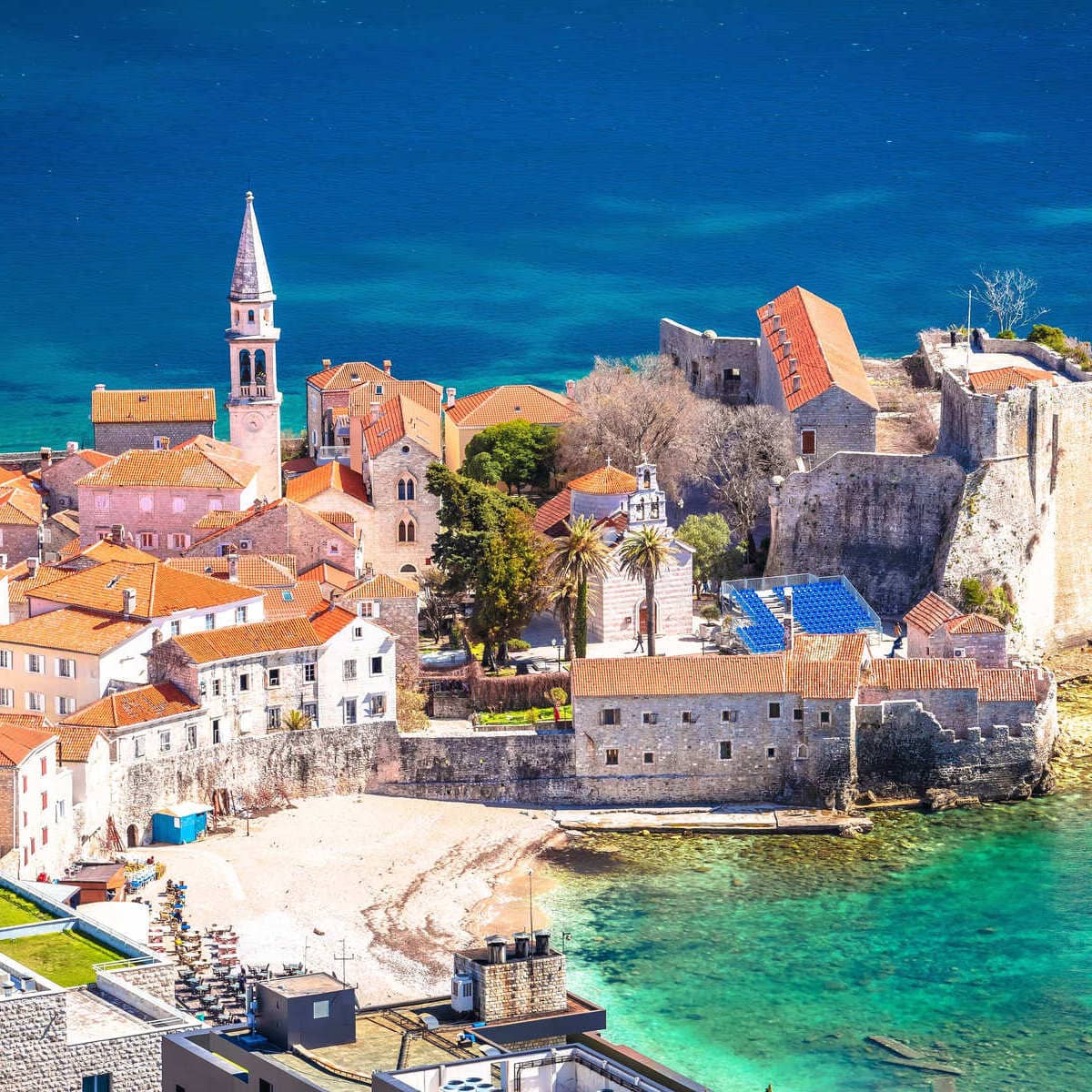
Montenegro’s appeal is multifaceted, offering a unique blend of Venetian-style stone harbors, pebbly beaches, and a rugged, mountainous interior that feels worlds apart from the more commercialized stretches of the Mediterranean. With 183 miles of coastline, the country provides the same quintessential Adriatic experience as its northern neighbor, yet it retains a distinct, slightly more adventurous atmosphere. While destinations like Kotor—often described as a “Dubrovnik dupe” due to its fortified walls and winding, narrow streets—have become increasingly popular with cruise lines, the country as a whole has managed to preserve a sense of being somewhat off the beaten path.
The contrast in scale between the two neighbors is notable. Last year, Montenegro recorded a record-breaking 2.73 million tourist arrivals. While impressive for a nation of roughly 623,000 residents, it remains a fraction of the 21.8 million visitors who flock to Croatia annually. This disparity is perhaps the primary driver for those seeking a more tranquil, less crowded experience. When adjusted for population, Croatia still sees significantly more density, welcoming roughly 563,000 tourists per 100,000 residents, compared to Montenegro’s 438,000. For the American traveler, this translates to a destination that feels authentic and manageable, even as its popularity continues to soar.
The Appeal of a Simplified Entry Process
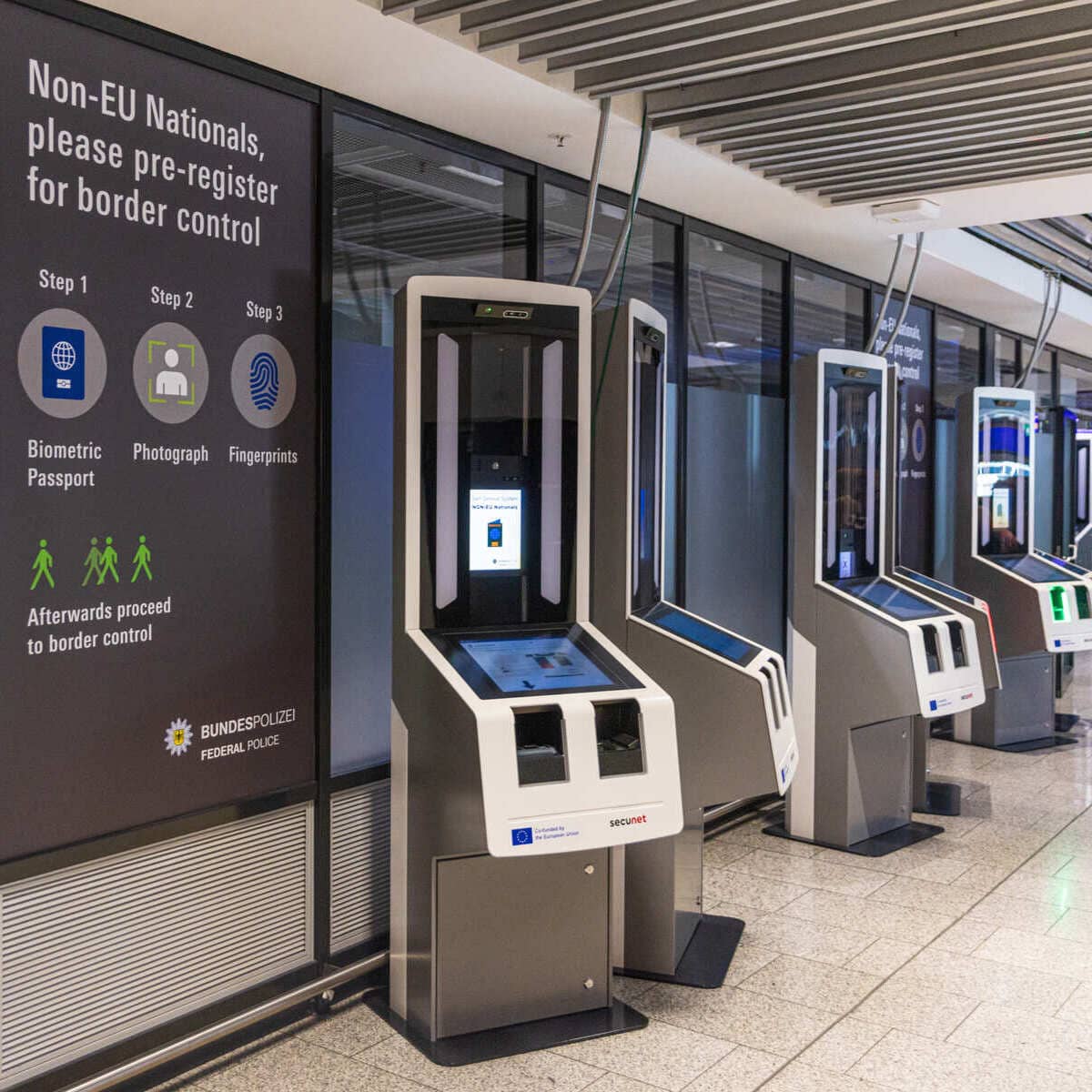
One of the most frequently discussed factors driving this growth is the current state of European border policies. As the European Union prepares to fully implement the Entry/Exit System (EES)—a mandatory biometric registration process that involves fingerprinting and facial recognition—travelers have grown increasingly cautious about which countries will require these new procedures. Because Montenegro is not currently a member of the European Union, nor is it part of the Schengen Area, it remains exempt from the EES requirements that are currently complicating travel to many other European destinations.
This regulatory “loophole” is not expected to last forever, but for the time being, it provides a seamless travel experience that is becoming increasingly rare in Europe. Americans can enter the country without the anxiety of navigating temperamental biometric kiosks or facing potential long-form delays at the border. This relative simplicity, combined with the country’s stunning natural beauty, has positioned Montenegro as an attractive, hassle-free alternative for those looking to avoid the bureaucratic hurdles now becoming standard in the EU.
The Path Toward European Union Membership
While Montenegro currently operates outside the EU’s strict border protocols, the country is actively navigating a path toward future accession. As of November 19, 2026, Montenegro is widely considered the frontrunner among nations currently in negotiations with the European Commission. It has successfully provisionally closed 25 out of 33 negotiating chapters, signaling a high level of progress and commitment to aligning its national laws with those of the broader European bloc.
According to the latest roadmap from the European Commission, Montenegro is on track to sign an Accession Treaty as early as June 2027, with a target date for full membership set for 2028. This move is significant for the region, as it would grant Montenegrins the right to live, work, and study across the European Union. However, for the American tourist, the implications of this transition are nuanced. It is critical to distinguish between EU membership and participation in the Schengen Area.
The EES fingerprinting requirements are tied specifically to the Schengen Area, not to EU membership itself. Cyprus, for instance, has been a member of the European Union since 2004 but remains outside the Schengen zone; consequently, it does not currently participate in the EES. Therefore, even if Montenegro joins the EU in 2028, American travelers might continue to enjoy a period of exemption from biometric border checks, provided the country does not simultaneously join the Schengen Area.
Preparing for Future Travel Adjustments
The shift toward European alignment is already visible on the ground. As part of its efforts to harmonize with EU standards, Montenegro recently implemented stricter visa policies. As of November 1, 2026, the country ended visa-free entry for citizens of Russia and Turkey, who previously enjoyed up to 30 days of visa-free travel. These groups are now required to apply for a visa in advance, a clear indication that Montenegro is taking its role as an aspiring EU member seriously by tightening its external border controls.

For U.S. travelers, the most significant change on the horizon involves the eventual adoption of the 90-day Schengen allowance. Currently, Americans are permitted a 90-day stay in Montenegro within any 180-day period, a rule that operates independently of any time spent in other European nations. Once Montenegro joins the Schengen Area—a process that will likely follow its EU accession—the calculation of this 90-day period will change. Time spent in countries like France, Italy, or neighboring Croatia will start counting against the total allowance available for a stay in Montenegro.
For the casual tourist, this change may go unnoticed. However, for those planning extended sabbaticals or multi-country European tours, it requires careful logistical planning. A traveler spending two months in Western Europe followed by a month in Croatia would, under the current separate-allowance system, have a full 90 days remaining for Montenegro. In a post-Schengen future, that same itinerary would leave the traveler with significantly less time to enjoy the Montenegrin coast.
A Destination in Transition
The timeline for these changes remains subject to complex negotiations. History shows that Schengen accession is a lengthy, highly scrutinized process. Croatia, for example, joined the EU in 2013 but waited a full decade to be formally inducted into the Schengen zone in 2023. Similarly, Romania and Bulgaria joined the EU in 2007 and only achieved full Schengen membership in 2024.
Despite these precedents, the deep integration already present—including Montenegro’s use of the euro and its extensive institutional reforms—suggests that the process could potentially move more quickly than it did for other member states. For now, the status quo remains, and Montenegro continues to offer a unique window into the Adriatic that is both accessible and remarkably distinct. Whether or not it remains a "loophole" for the long term, the surge in American visitors highlights a growing recognition that Montenegro is a premier destination in its own right, offering a timeless experience that is becoming harder to find elsewhere on the continent. Travelers looking to experience the country before it fully integrates into the broader European regulatory framework may find that the coming year offers a perfect, perhaps final, opportunity to visit under the current conditions.
| Source | : | Open Passport |
| Author | : | Reynand Wu |
| Editor | : | Open Passport Editorial Team |
