
Amnesty International Calls for War Crimes Probe into Deadly Shelling of Alamata During Tigray Fighting
Human rights monitors are urging independent international investigations into artillery attacks that devastated parts of Alamata in northern Tigray, leaving dozens of civilians dead and many others wounded. Between September 26 and 28, intense bombardments struck the strategic city as federal forces and allied militias clashed with regional factions. According to a new report from Amnesty International, the bombardment involved indiscriminate shelling by the Ethiopian National Defense Forces (ENDF) and the Tigray Peace Forces (TPF), actions that legal experts say may amount to war crimes.
At the same time, the human rights organization found that forces affiliated with the Tigray People’s Liberation Front (TPLF) severely endangered the civilian population. Before the outbreak of renewed hostilities, TPLF fighters established military bases inside densely populated residential neighborhoods, using several local schools as operational hubs. Despite these actions by the TPLF, investigators emphasize that the placement of military objectives near civilians does not justify the use of wide-area explosive weapons in heavily populated urban sectors.
The fighting for Alamata culminated on September 28, when the ENDF and its TPF allies successfully seized control of the city. Alamata serves as a crucial logistics and supply hub for troops, food, and fuel across the region. Prior to its capture, however, its roughly 80,000 residents found themselves caught directly in the line of fire as heavy artillery rained down on residential neighborhoods for three consecutive days.
Residential Neighbourhoods at the Mercy of Artillery Shelling
Yasmine Ahmed, Amnesty International’s Senior Director for Regional Human Rights Impact, condemned the military tactics used during the offensive. For three consecutive days, she noted, the ENDF and TPF repeatedly shelled Alamata in total disregard for civilian lives. The deployment of artillery—weapons known for their wide-area destructive effects—in densely populated urban neighborhoods has a catastrophic impact on non-combatants. Indiscriminate attacks of this nature represent clear violations of international humanitarian law, prompting urgent calls for formal war crimes investigations.
Amnesty International’s investigation focused on four separate incidents of artillery shelling in Alamata carried out by the ENDF and TPF between September 26 and 28. Researchers independently verified the deaths of 14 civilians resulting directly from these strikes. To piece together the events of the offensive, the organization interviewed 28 individuals, including attack survivors, eyewitnesses, victims’ relatives, and frontline medical personnel. Furthermore, Amnesty International’s Evidence Lab conducted a technical analysis of eight videos, 17 photographs, open-source data, and high-resolution satellite imagery of the affected sites.
To protect vulnerable sources from retaliation, researchers withheld or altered the names and identifying details of interviewees who requested anonymity. As part of their standard investigative process, Amnesty International formally wrote to the ENDF, TPF, and TPLF on October 27 to request official information regarding the shelling incidents. On November 17, the organization shared its preliminary findings with the ENDF and TPF, inviting comments or clarifications. By the time of publication, neither the ENDF nor the TPF had provided a formal response.
Conversely, the TPLF responded with a four-page letter sent to Amnesty International on November 18, stating that the organization categorically rejected the allegations leveled against its forces. While the letter acknowledged that the preliminary findings touched upon atrocities committed by the Ethiopian Federal Government and its allied forces, the TPLF expressed deep concern over the accusations directed at the Tigray Security Forces. The TPLF asserted that the allegations were unfounded and insisted that the situation required further independent, impartial, and comprehensive investigations before any conclusions regarding legal responsibility could be drawn.
Based on eyewitness accounts and interviews with two sources possessing direct knowledge of military maneuvers during the offensive, Amnesty International traced the origin of the shelling. Investigators identified the Waja Ena Tumuga area, located approximately 13 kilometers south of Alamata, as the primary staging ground from which ENDF and TPF forces bombarded the city. Two individuals familiar with the military capabilities of the TPF confirmed that the faction possessed artillery systems and fought alongside the ENDF during the operation to capture Alamata. One eyewitness directly observed ENDF troops moving artillery pieces into the Waja area, specifically pointing to a locality known as Ayer Marefiya.
Concurrently, witnesses reported that TPLF fighters embedded themselves within densely populated civilian neighborhoods inside Alamata, utilizing these areas to launch counter-attacks. International humanitarian law obligates all belligerents to avoid placing military objectives within or near densely populated areas to the maximum extent feasible. Parties to a conflict are also mandated to protect civilians from the collateral effects of attacks, facilitate evacuations away from military objectives, and issue effective warnings prior to launching operations that could endanger the civilian population.
While evidence suggested that TPLF fighters possessed and operated artillery inside the city, investigators concluded it was highly unlikely that the widespread destruction in Alamata was caused by misdirected shells from their own positions. Although technical weapon malfunctions could never be entirely ruled out, the probability of such a scenario causing the extensive damage observed was considered extremely low.
Medical personnel on duty at the Alamata hospital between September 26 and 28 confirmed to researchers that nearly all casualties treated during the three-day bombardment were civilians. Most of the traumatic injuries observed were consistent with shrapnel wounds inflicted by high-explosive munitions.
Indiscriminate Attacks on Populated Areas
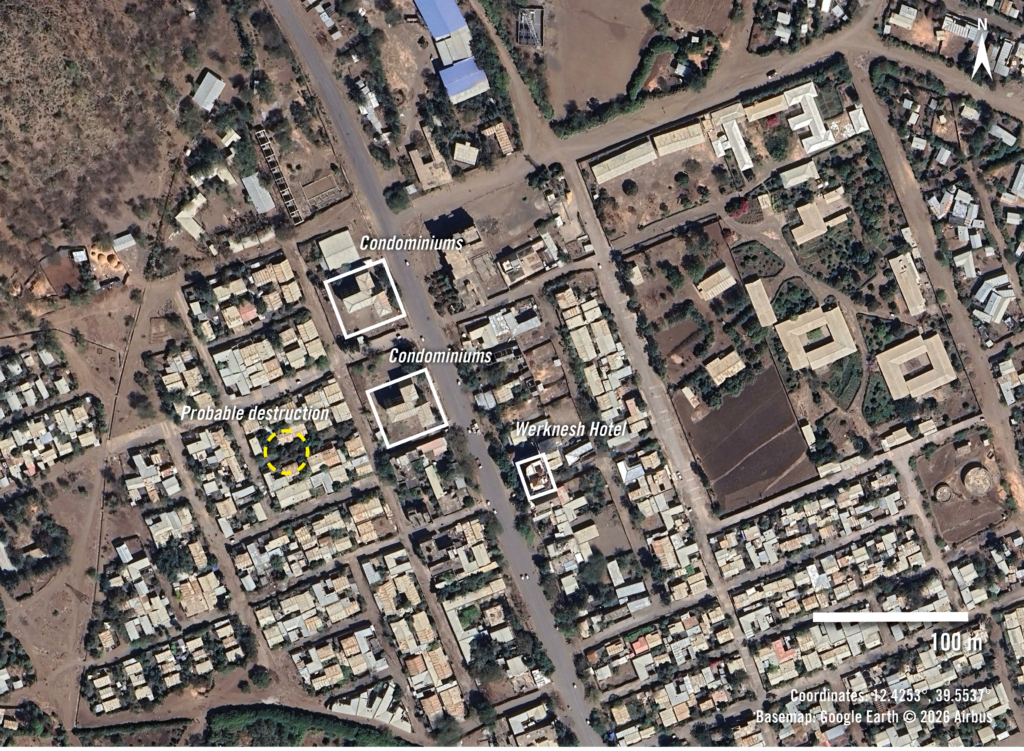
Among the hardest-hit sectors was a residential zone in Kebele 04 commonly referred to as the condominium area. This densely populated neighborhood consists primarily of single-family homes adjacent to two multi-story buildings housing hundreds of civilians. Three eyewitnesses recounted that artillery shells struck five residential homes at dawn on September 27, resulting in the deaths of seven people and serious injuries to four others.
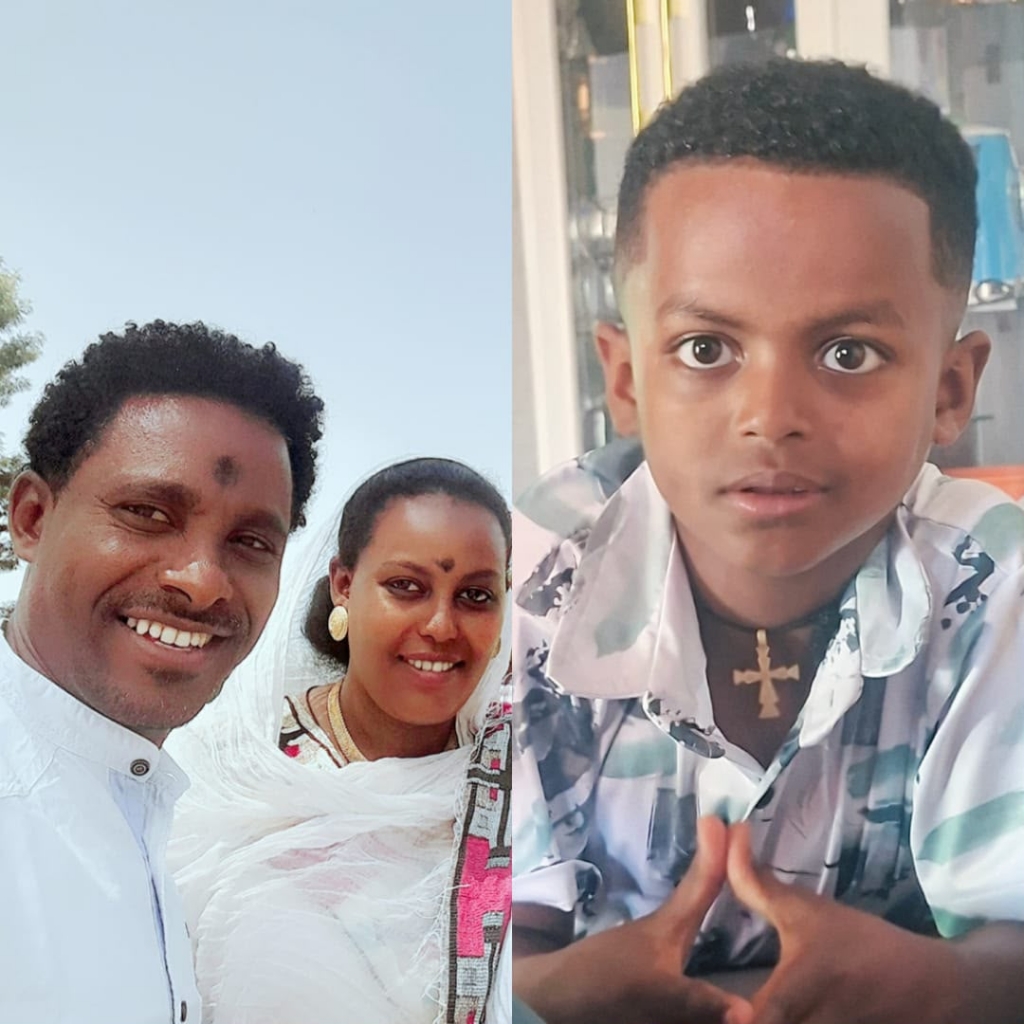
Among those killed was 26-year-old Meron Sewasew, a mother of two who perished inside her home alongside her eight-year-old son, Markon Girmahiwot, and her 33-year-old older brother, Tewekel Sewasew. Meron’s husband, Girmahiwot Negash, was away from the city for work at the time of the tragedy. He shared that their surviving two-year-old son was also in the house during the strike and miraculously survived with minor injuries. Family members had believed the home was a safe haven away from the direct frontlines of the war.
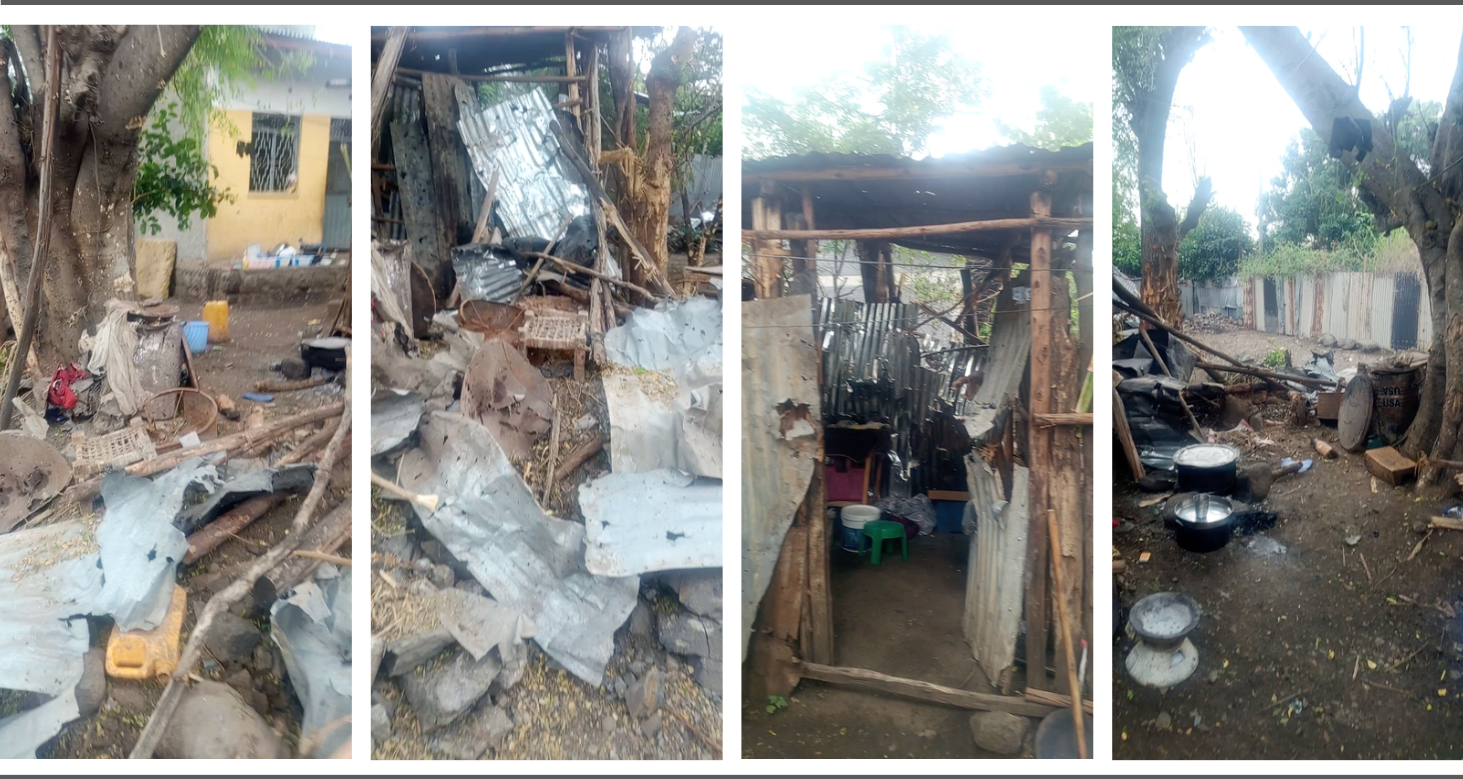
The same artillery strike devastated the household next door, claiming the lives of four members of a single family: 40-year-old Kumhis Kahsay, her 14-year-old child Helina Hailay, 38-year-old Lezeu Yirga, and Lezeu’s three-year-old child. A surviving family member explained that the victims were outside doing morning chores after Kumhis had returned from church, when remnants of the deadly strike landed in the compound.
Amnesty International’s Evidence Lab verified four separate videos displaying structural damage to two houses and an external outbuilding within a compound located approximately 150 meters from the Werknesh Hotel. While some residents reported seeing TPLF fighters stationed on rooftops or inside the hotel earlier in the week, other witnesses disputed the presence of fighters near the hotel on the exact day of the strike. Three witnesses noted that a separate artillery shell landed just outside the hotel minutes before the residential homes were struck, causing extensive damage to the building’s exterior.
In other instances, shelling struck commercial and residential areas where witnesses reported no discernible military presence. On September 26 at around 11:00 am, an artillery shell impacted a local establishment known as the Nigus Shimoy bar, killing at least three people. The bar is situated at the entrance of a bustling commercial market bordering residential streets. The attack occurred as crowds gathered to celebrate Demera, the eve of the Meskel holiday observed by Ethiopian Orthodox Christians.
Another fatal strike occurred on September 27 in the Kebele 02 residential sector, where a family home was directly hit. Fifty-five-year-old Deyima Rebso was killed instantly, while her 62-year-old husband, Ararse Yasin, sustained severe injuries. Their children, Saliha and Kedir, along with their 10-year-old grandson, Sufiyan Abdulatif, were also seriously wounded. Munitions fragments recovered at the scene were analyzed by an Amnesty International weapons expert and identified as consistent with artillery rounds deployed by the ENDF and its allies. Witnesses confirmed that the family’s house was the sole structure hit in the immediate vicinity and that no military activities had taken place nearby.
TPLF Set Up Military Bases in Schools
In addition to documenting government-allied shelling, researchers gathered testimonies regarding the TPLF’s use of civilian infrastructure for military purposes. Six interviewees stated that nearly all schools in Alamata were utilized as military bases by TPLF fighters in the months leading up to the renewed conflict. Witnesses reported that these educational facilities, situated near residential neighborhoods, served as staging grounds and firing positions for artillery after fighting erupted. Residents confirmed that the TPLF failed to issue any warnings or evacuation orders for civilians living adjacent to these military-occupied schools.
On September 26, an artillery shell struck a home in the Missionary Camp neighborhood near the Biruh Tesfa School, which had previously served as a TPLF base. The 6:45 pm strike killed three civilians and wounded four others. While witnesses noted that most fighters had vacated the school a week prior to the fighting, a few guards remained on site in the days leading up to the incident.
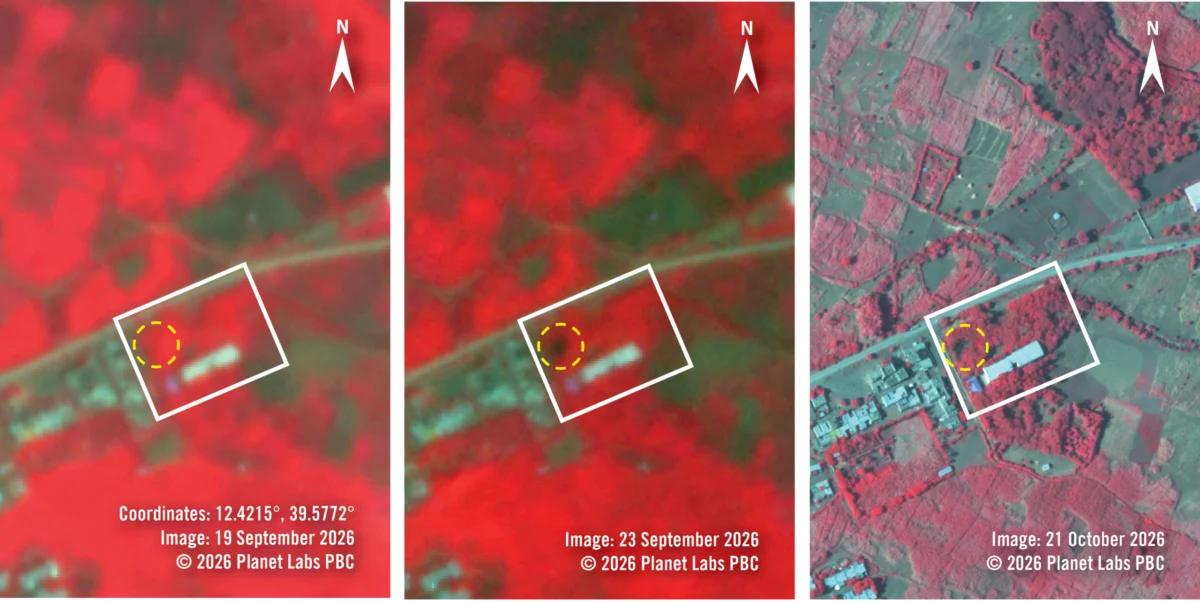
Another educational facility, the Alamata Preparatory School, was reportedly targeted by an ENDF drone strike on September 22. Local residents stated that the school had functioned as the primary firing position for TPLF artillery defending the city prior to their withdrawal on September 28. A resident described secondary explosions and burning weapons visible within the school compound following the drone strike.
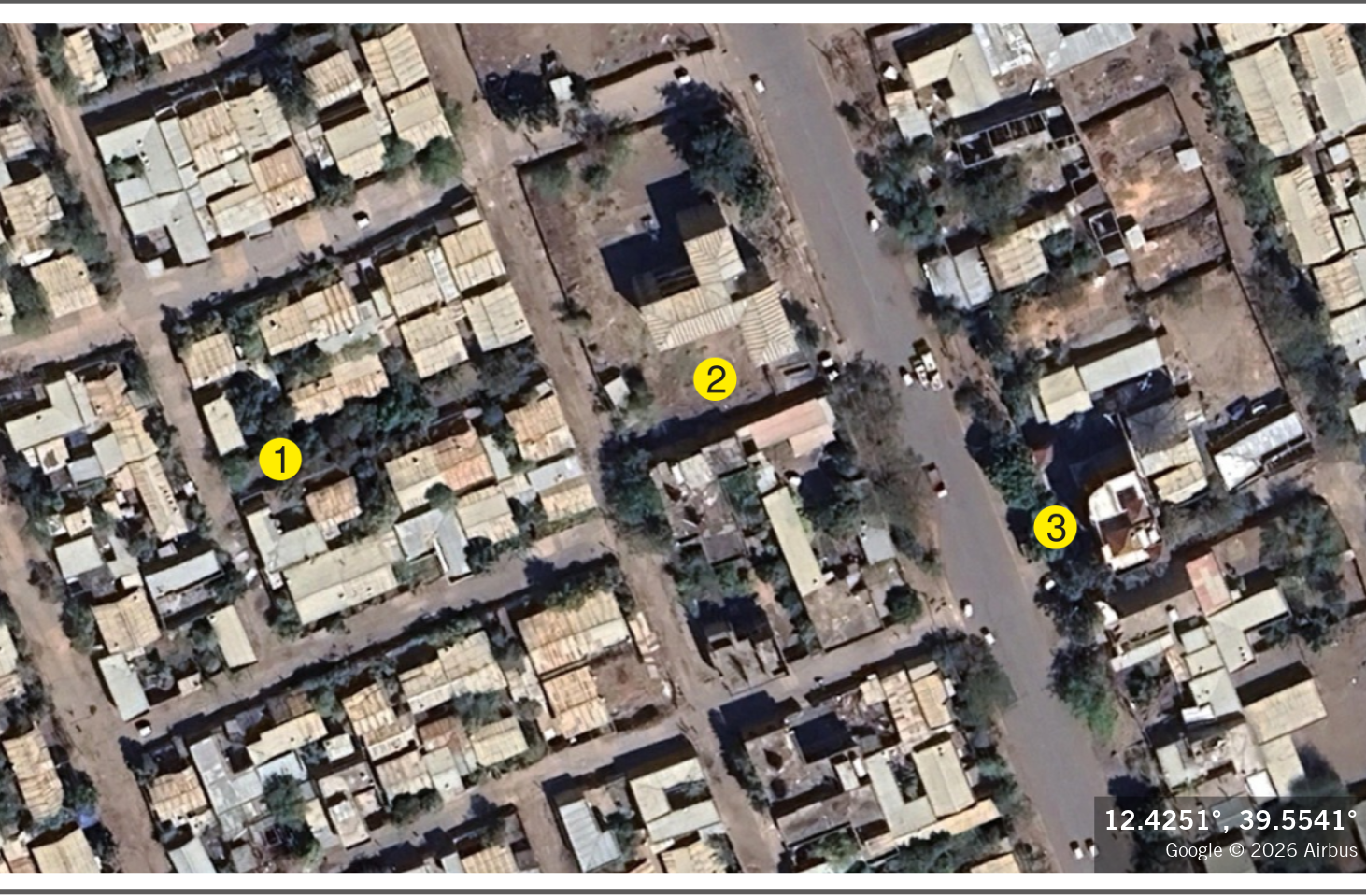
Satellite imagery reviewed by Amnesty International confirmed the appearance of a new burn scar adjacent to the preparatory school on September 22, aligning with eyewitness reports. Vegetation changes around the property were tracked through early October, and higher-resolution imagery from October 21 clearly displayed the cleared and burned areas within the compound trees.
Human rights advocates emphasize that the persistent cycle of impunity in Ethiopia continues to fuel serious violations of international law. Yasmine Ahmed stressed that perpetrators have been emboldened by a lack of accountability for past and ongoing conflicts, a trend that must be decisively halted. Amnesty International is calling on the United Nations Human Rights Council to swiftly establish an independent investigative mechanism to identify those responsible for international crimes and ensure they face justice.
Furthermore, the organization urges Ethiopian authorities to grant unhindered access to all conflict-affected regions for independent international monitors, journalists, and humanitarian agencies. Given the government’s historical suppression of independent human rights monitoring, coupled with multiple active armed conflicts and the looming threat of regional escalation, urgent international scrutiny remains critical to safeguarding civilians across the country.
| Source | : | Open Passport |
| Author | : | Laily UPN |
| Editor | : | Open Passport Editorial Team |
