
Move Over Germany! This Underrated Polish City Has A 7-Week Christmas Markets, $3 Mulled Wine, And Fewer Crowds
When travelers think of traditional European Christmas markets, it is usually the half-timbered towns and sprawling festive squares of Germany that immediately come to mind. From the bustling market squares of Cologne to Berlin’s massive seasonal displays, these destinations have long defined the continent’s winter holiday experience. However, in recent years, tighter security barriers, larger crowds, and rising prices have begun to chip away at some of the classic magic that once drew millions of visitors to western Europe.
Fortunately, travelers looking to experience authentic European festive spirit do not need to limit themselves to Germany. Just across the border lies an underrated Polish city that was once part of Germany itself and still proudly showcases its rich Germanic heritage. Featuring a seven-week Christmas market, dazzling fairy lights, wooden stalls serving steaming mulled wine, and a reassuringly high safety record, this destination offers an exceptional alternative for a storybook winter getaway.
Welcome to Wrocław, Poland
For travelers seeking a winter break that delivers charm year after year, Wrocław is a stunning metropolis lining the Oder River that many international tourists remain unaware of. As the third-largest city in Poland, it boasts a population of over 672,000 residents, ensuring a vibrant urban atmosphere that operates seamlessly regardless of the season. Much of its appeal stems from an exceptionally picturesque Old Town centered around a colorful Market Square.
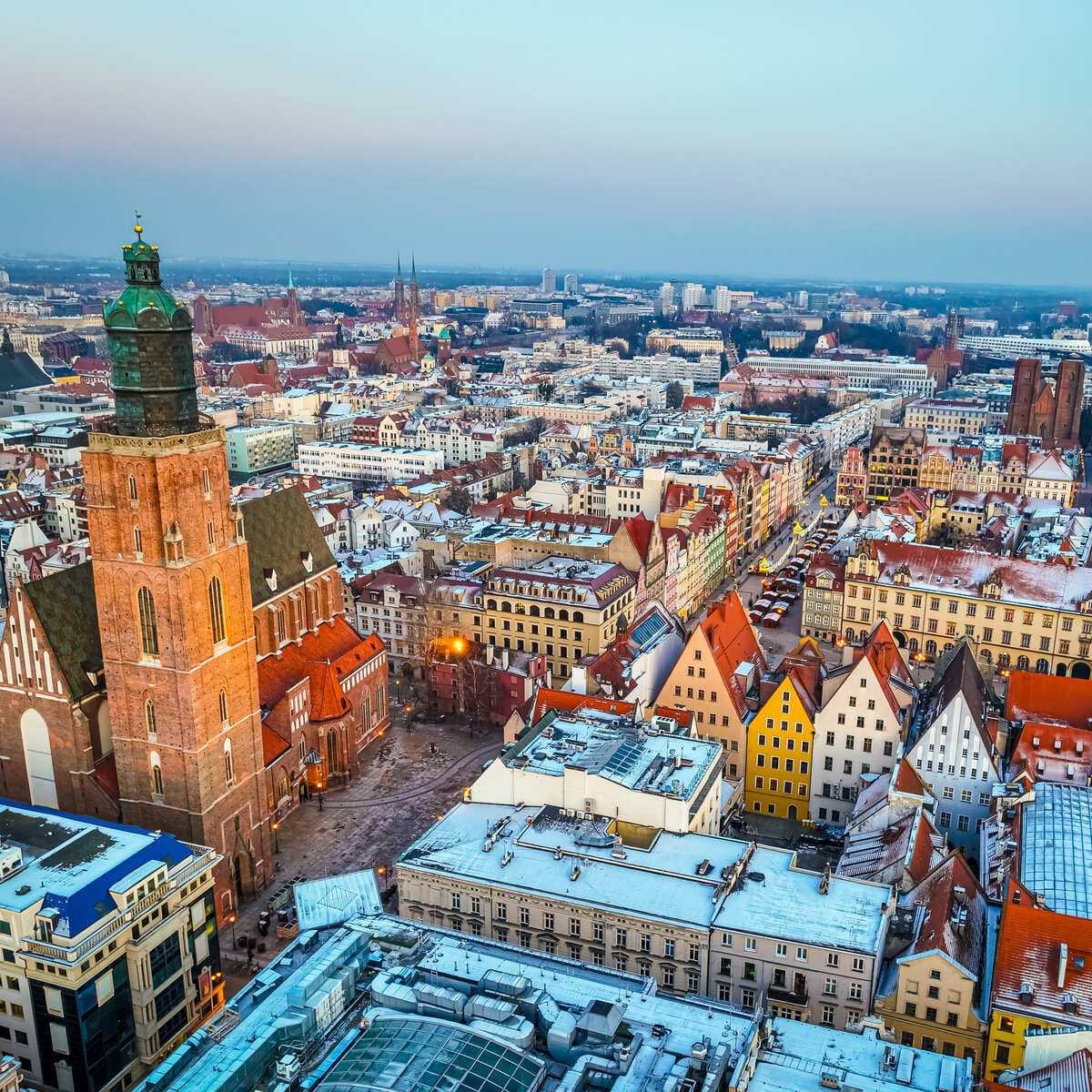
Ringed by rows of slender, pastel-hued townhouses and anchored by a monumental Gothic Town Hall featuring a massive astronomical clock, the historic center rivals the beauty of more famous European capitals like Prague. Summers in Wrocław invite visitors to stroll aimlessly through the medieval center or take river cruises around the city’s many islands and waterways—earning it the affectionate moniker of the "Polish Venice."
An Epic Year-Round Destination
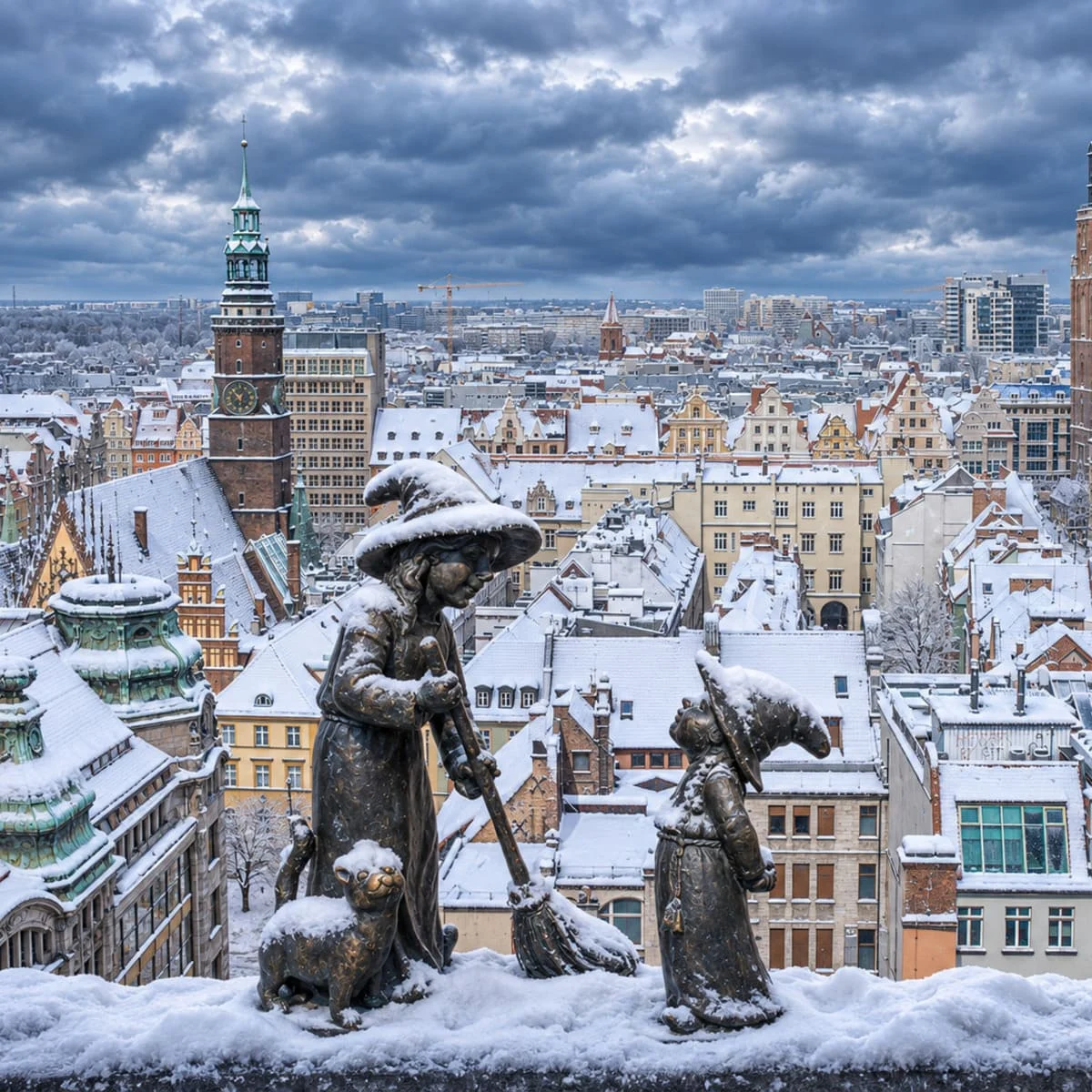
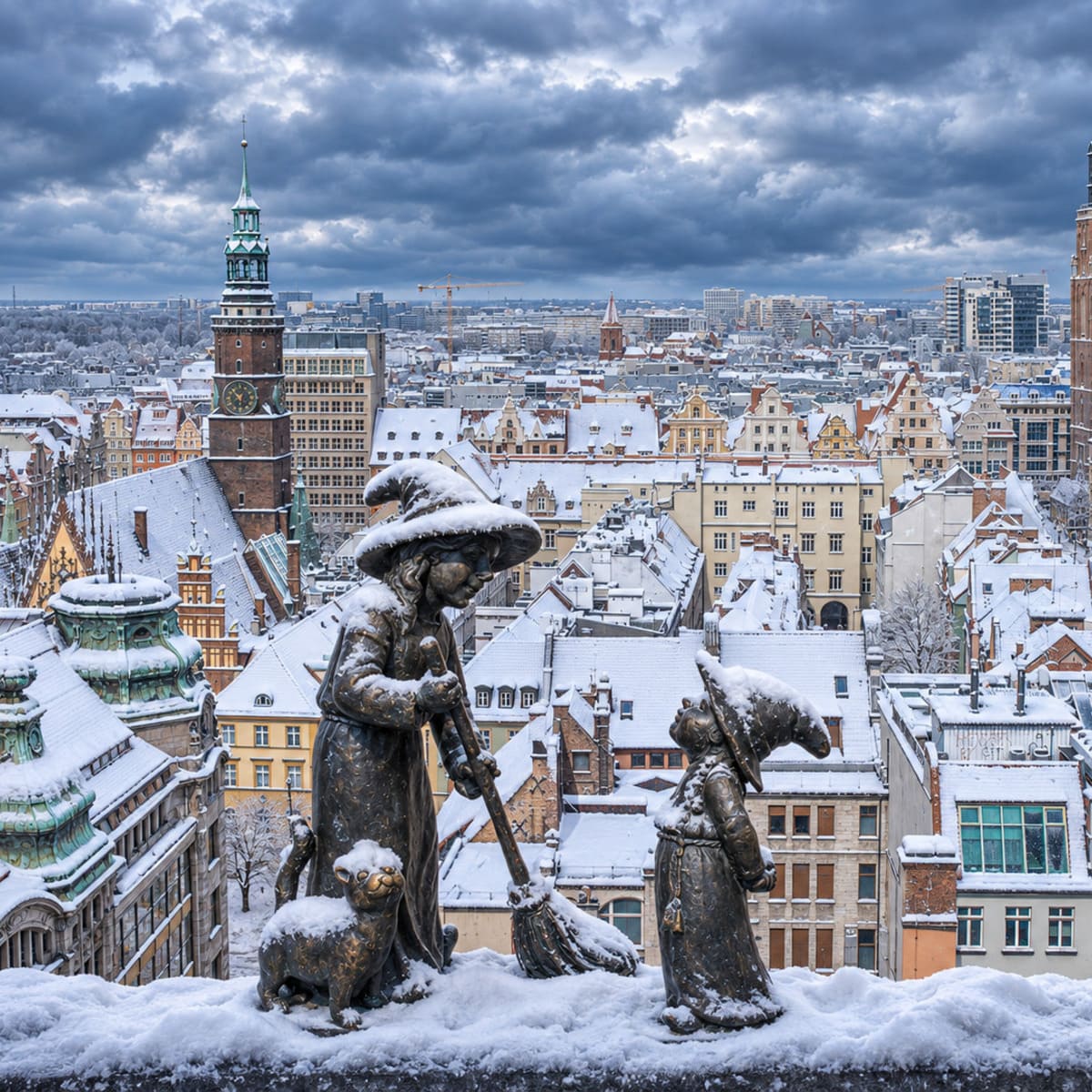
Beyond its striking architecture, the city is famous for its whimsical, tiny bronze gnome statues that pop up in unexpected locations across the urban landscape. Visitors might stumble upon a cheeky figure guarding an ATM, another raising a beer stein near a bar entrance, or a pair attempting to sneak sweets from a confectionery shop.
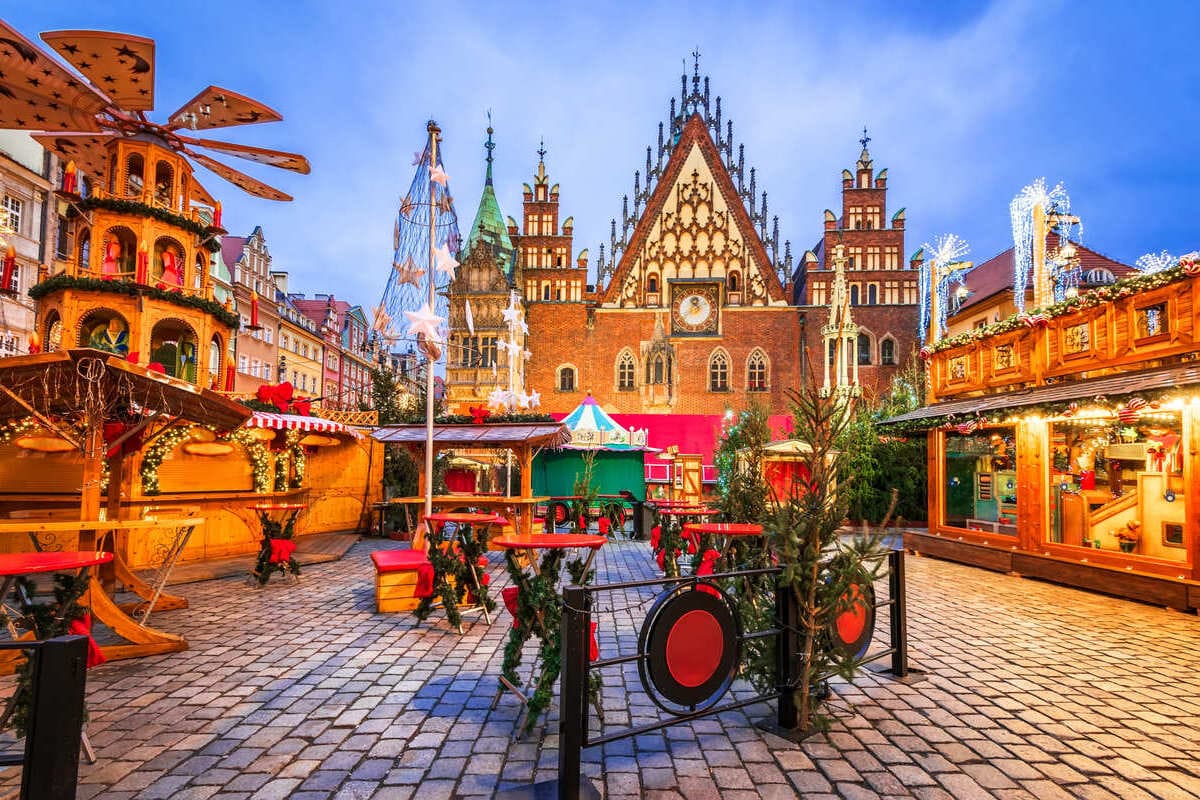
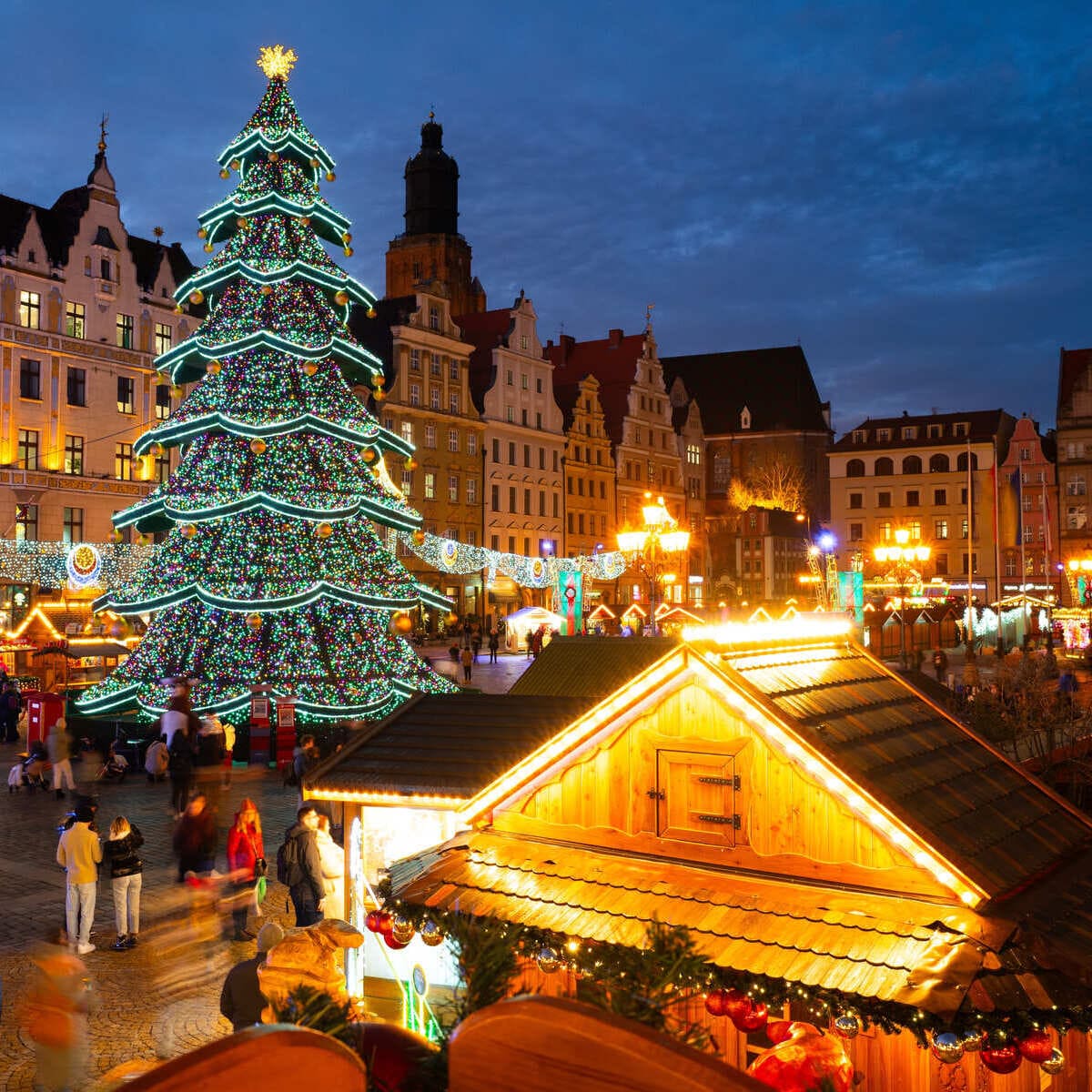
When winter arrives, the atmosphere shifts toward cozy, old-school milk bars with welcoming interiors where visitors can sample homemade pierogi. The culinary and festive journey truly unfolds in the vast Rynek Market Square in the heart of the Old Town. Bedecked with thousands of twinkling lights, illuminated wooden chalets, and a towering, traditional Christmas tree, the square radiates classic Old Europe charm.
The Whole City Turns Into A Winter Wonderland
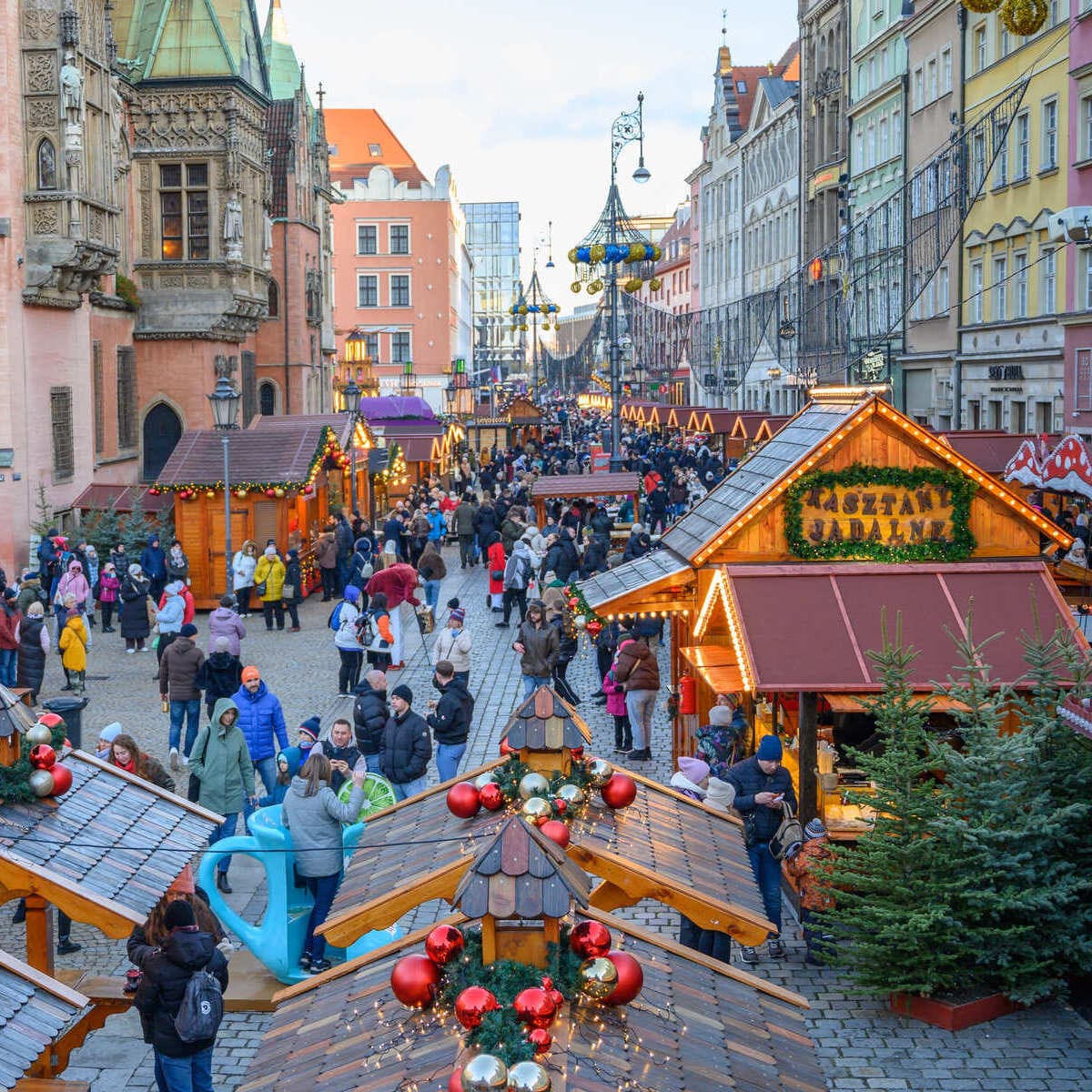
The celebrations in Wrocław extend far beyond a single cordoned-off zone. Festivities spill out from Rynek into Plac Solny, a nearby historic square, Świdnicka Street, and the pedestrian-friendly Oławska Street. Alongside traditional spiced gingerbread, grilled sausages with sauerkraut, and freshly baked chimney cakes, visitors are encouraged to try local staples like potato pancakes with sour cream and signature stuffed dumplings.
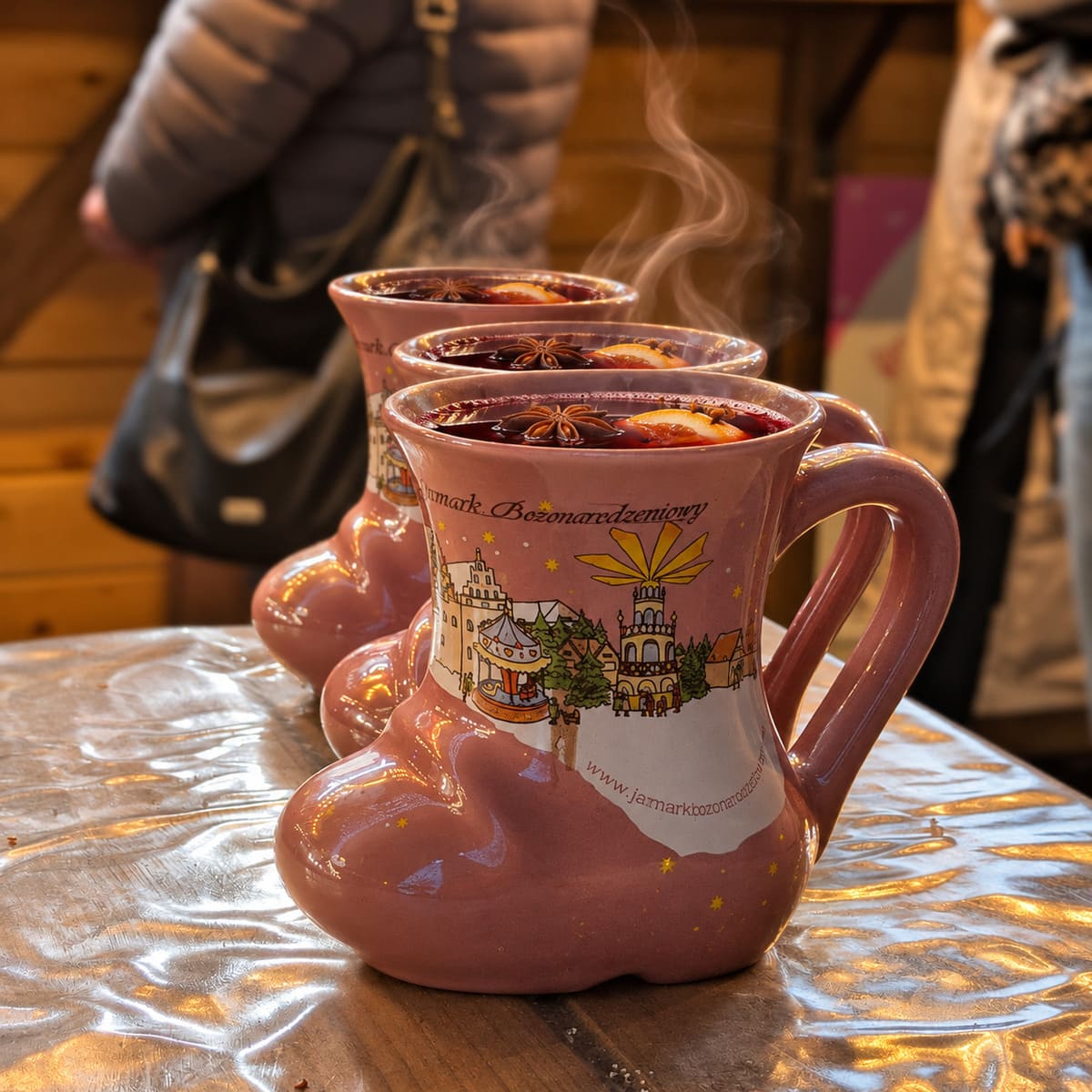
A quintessential part of the experience is purchasing a collectible, boot-shaped ceramic mug filled with hot mulled wine or spiced beer. Last year’s market edition featured approximately 260 stalls, more than double the number found at famous German locations like Cologne’s cathedral market, which typically hosts around 120 vendors.
Is Poland Safe Right Now?
While recent security incidents in other parts of the country have occasionally shaken Poland’s reputation for absolute tranquility, local authorities in Wrocław are implementing robust security measures to ensure family-friendly and safe celebrations. The city’s Old Town remains highly walkable, and Poland maintains a Level 1 travel advisory status according to the U.S. Department of State, which advises travelers to exercise normal precautions. Furthermore, the destination scores highly on traveler-reported safety perception indices.
Travelers should also note broader changes to European border procedures, such as the Entry/Exit System (EES) now operational across Schengen countries, which replaces traditional passport stamping with digital records and biometric registration for eligible non-EU visitors.
Fairytale Forests & Old Cathedral Islands
Beyond the main market squares, Wrocław features attractions such as the Fairy Tale Forest near the Town Hall, offering themed drinking houses and family festival rides. Adventurous visitors often climb St. Mary Magdalene’s red-brick towers to cross the Bridge of Penitents, taking in sweeping panoramic views of the city’s gabled roofs and cobbled streets.
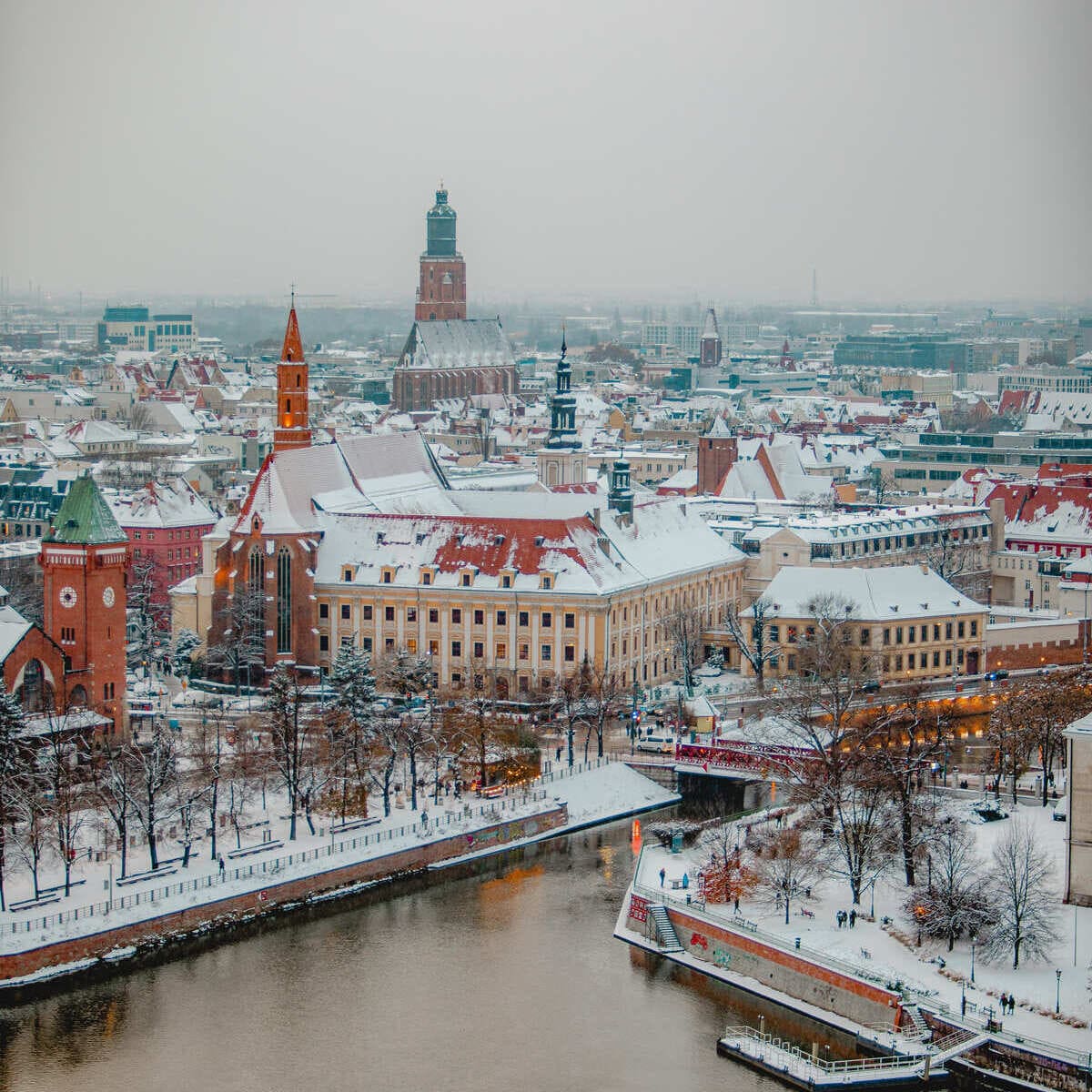
Further exploration leads to Ostrów Tumski, a historic island connected by picturesque bridges about a twenty-minute walk from the main square. This district offers a quieter, highly festive atmosphere centered around a soaring Gothic cathedral. At nightfall, visitors can witness the traditional lamplighter ceremoniously igniting nearly 100 gas streetlamps by hand—a daily ritual that adds a timeless dimension to the winter landscape.
Wrocław Still Feels Local
Wrocław is rapidly emerging as one of Europe’s premier winter getaways, having recently attracted over one million visitors during the festive season, representing a 26% increase over previous years. Notably, more than 60% of these attendees were local residents, ensuring that the market retains its authentic community feel rather than transforming into an international tourist-heavy spectacle.
The Christmas markets are scheduled to run from November 20 through January 7, generally operating daily from 10 a.m. to 9 p.m., with closures on December 24 through 25 and January 1. Admission to the markets is free.
Getting To Wrocław From The U.S. This Winter
Reaching Wrocław from North America is straightforward. Travelers typically fly into Warsaw before boarding a connecting train to the city. High-speed and regional rail connections offer affordable tickets when booked in advance, complemented by smooth suburban train transfers between Warsaw Chopin Airport and the central railway station. Alternatively, travelers already within Europe can fly directly into Wrocław Airport, which maintains regular and charter routes connecting major hubs across the continent.
| Source | : | Open Passport |
| Author | : | Lina Irawan |
| Editor | : | Open Passport Editorial Team |
