This nightmare scenario happens more often than you might think. Many travelers operate under the mistaken belief that as long as the date on their passport hasn’t passed, they are free to travel anywhere. Unfortunately, international travel laws are far more complex than a simple expiration date.
Ensuring your passport is valid for your destination involves navigating a web of entry requirements, bilateral agreements, and strict bureaucratic rules. From validity buffers to blank page counts, there are several factors you must verify before heading to the airport. This guide will walk you through exactly how to check your travel documents to ensure a stress-free departure.
The Misconception of the Expiration Date
The most common reason travelers are denied boarding is a misunderstanding of what ‘valid’ means to foreign immigration officers. While your passport serves as a valid form of identification until the date printed on the data page, it does not necessarily grant you the right to enter another country up until that specific day.
Immigration authorities view the expiration date differently than you do. For them, a passport that expires in a few weeks or months is a risk. If you were to have an accident, a medical emergency, or a legal issue that delayed your return, an expiring passport would leave you undocumented in a foreign land. To prevent this, countries enforce ‘validity buffers.’
Understanding the Six-Month Rule
The most prevalent requirement in international travel is the famous ‘Six-Month Rule.’ This rule dictates that your passport must remain valid for at least six months beyond your date of arrival (or sometimes beyond your date of planned departure).
If your passport expires on January 1st, and you plan to travel on August 1st of the previous year, you technically have five months of validity left. However, if you are traveling to a country with a six-month rule, you will be denied entry—and likely denied boarding by your airline before you even leave your home country.
Countries that strictly enforce this rule include popular destinations such as Thailand, Vietnam, Indonesia (Bali), the United Arab Emirates, and dozens of others throughout Asia, the Middle East, and parts of South America. It is not a suggestion; it is a hard requirement.
The Three-Month Rule and The Schengen Area
If you are traveling to Europe, specifically to the 27 countries that make up the Schengen Area (including France, Italy, Spain, and Germany), the rules are slightly different but equally strict. The Schengen Borders Code requires that your passport be valid for at least three months beyond your intended date of departure from the territory.
The Critical Importance of Blank Pages
Validity isn’t just about dates; it is also about space. Every time you enter or exit a country, immigration officers typically stamp your passport. If you require a visa, that visa is often a full-page sticker adhered to one of the pages.
A frequent oversight by frequent flyers is running out of ‘blank visa pages.’ Some countries, such as South Africa, require two completely blank, consecutive pages for entry. If you arrive with a passport that is full of stamps, even if the expiration date is years away, you can be turned around at the border.
Note that the ‘endorsement’ pages at the back of some passports (often reserved for amendments) do not count as visa pages. You must have pages specifically marked for visas available. If your book is full, you generally cannot add pages anymore; you must renew the entire passport.
Assessing Physical Condition
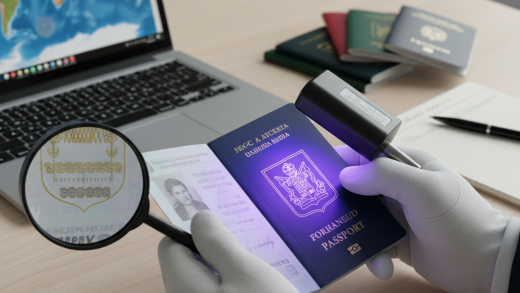
A valid passport must be in good physical condition. Immigration officers look for signs of tampering, but they also reject passports that look sloppy or damaged. Significant wear and tear can render a document invalid in the eyes of border control.
What constitutes ‘significant damage’? This can include water damage, a fraying binding, torn pages, or unauthorized markings (like a child drawing on a page). If the bio-data page (the page with your photo) is peeling or if the laminate is lifting, this is a major red flag.
If your passport has gone through the washing machine, check it carefully. If the details are faded or the chip inside the cover is damaged (preventing it from being scanned at e-gates), you should replace it immediately. It is better to pay for a renewal now than to lose the cost of an entire trip later.
Children’s Passports: A Hidden Trap
Parents often forget that children’s passports have shorter validity periods than adult passports. In many countries, including the United States, a child’s passport is valid for only five years, whereas an adult’s is valid for ten.
It is easy to look at your own passport, see that it is valid for another four years, and assume your child’s passport—issued at the same time—is also fine. Always check the specific expiration date on every family member’s document individually.
Furthermore, ensure the photo still resembles the child. While babies change appearance quickly and border agents are generally understanding, a passport photo of an infant may not be accepted for a 5-year-old if the features are drastically different, though this is rare compared to validity date issues.
Visas and Passport Validity Interaction
If you are applying for a visa before your trip, the embassy will almost always require your passport to have validity extending past the visa’s expiration. For example, if you are applying for a one-year multi-entry visa, your passport generally needs to be valid for more than that one year.
If your passport expires while you have a valid visa inside it, the rules vary by country. Some countries allow you to travel with two passports: the old, expired one containing the valid visa, and your new, valid passport. However, other countries require you to transfer the visa to the new passport, which takes time and money. Always check this specific rule with the embassy.
How to Verify Requirements for Your Trip
So, how do you find the definitive rules for your destination? Do not rely on travel blogs or forums from three years ago, as immigration policies change frequently. You need real-time, official data.
1. The IATA Travel Centre: The International Air Transport Association (IATA) maintains the database that airlines use to verify travel documents. You can access a consumer version of this tool online to see exactly what the airlines see.
2. Government Travel Advisories: If you are American, check the U.S. Department of State’s specifically designated country information pages. If you are British, check the UK Foreign, Commonwealth & Development Office (FCDO) advice. These pages explicitly state the entry requirements regarding passport validity.
3. The Destination’s Embassy Website: The most authoritative source is always the embassy or consulate of the country you are visiting. Their website will list the current entry requirements for your nationality.
Don’t Forget Transit Countries
While this is less common for simple transit, some itineraries require you to pass through immigration to collect bags and re-check them for a connecting flight. In that moment, you are technically ‘entering’ the country, and their validity rules (including the six-month rule) apply to you.
When to Renew
The golden rule of international travel is to renew your passport approximately nine months before it expires. This keeps you in the safe zone for almost any destination worldwide. Waiting until you have less than six months remaining effectively grounds you from visiting a significant portion of the globe.
Processing times for renewals fluctuate wildly based on seasonal demand and government backlogs. What takes two weeks in the winter might take ten weeks in the summer. Always leave yourself a generous buffer.
What to Do in an Emergency
If you discover your passport is invalid a few days before your trip, do not panic, but act immediately. Most countries offer expedited passport services or emergency appointments for travel within 72 hours (often requiring proof of travel).
While these services are expensive and often require travel to a regional passport agency, they are the only way to save your trip. Third-party courier services can also assist, though they cannot speed up the government’s internal processing time any faster than an official emergency appointment can.
Summary Checklist
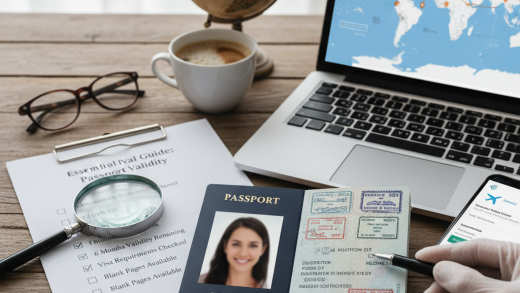
- Does your passport have at least 6 months of validity beyond your return date?
- Does it have at least 2-4 blank visa pages?
- Is the physical booklet free of water damage, tears, or separation?
- Is the photo clearly you?
- If traveling to Europe, was the passport issued less than 10 years ago?
Final Thoughts
Your passport is more than just a booklet; it is the key that unlocks the world. However, like any key, it must be the right shape and condition to fit the lock. By taking ten minutes to verify the validity of your documents months in advance, you ensure that your journey begins with excitement at the gate, rather than disappointment at the check-in counter. Safe travels!