Ensuring the safety of your passport throughout your journey is paramount. It’s not just about inconvenience; a lost or stolen passport can lead to significant delays, missed flights, and, in some extreme cases, identity theft. Therefore, understanding how to pack, store, and manage your passport securely is an indispensable skill for any global traveler. This comprehensive guide will walk you through every step, from pre-trip preparations to on-the-ground strategies, helping you achieve peace of mind.
The goal is to be proactive rather than reactive. By implementing a few thoughtful strategies before and during your trip, you can significantly reduce the risk of passport mishaps. From choosing the right carrying methods to knowing exactly what to do in an emergency, preparedness is your best defense against potential travel setbacks.
Before You Depart: Essential Pre-Trip Preparations
The foundation of a safe trip begins long before you even leave your doorstep. Several critical steps can be taken in the weeks and days leading up to your departure to fortify your passport’s security and prepare for any eventuality.
Check Validity and Condition
First and foremost, verify your passport’s expiration date. Many countries require your passport to be valid for at least six months beyond your intended departure date. An expired or soon-to-expire passport can result in being denied boarding or entry. Also, inspect its physical condition. Is it severely damaged, waterlogged, or does it have detached pages? A passport in poor condition might be deemed invalid by immigration officials, even if it’s still technically within its validity period. If there are any concerns, apply for a renewal well in advance.
Make Copies and Digitize
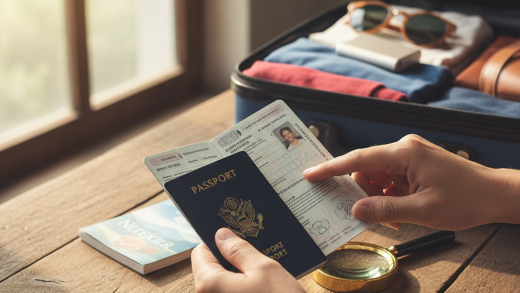
This is perhaps one of the most vital preparatory steps. Make several photocopies of your passport’s main information page (the one with your photo and details). Carry one copy separately from your original passport and leave another with a trusted person back home. Additionally, digitize your passport. Take clear photos or scans of the relevant pages and store them securely on a cloud service (like Google Drive, Dropbox, or iCloud), send them to your own email address, and perhaps save them on a password-protected USB drive. This ensures you have access to your details even if all physical documents are compromised.
Inform Your Embassy and Loved Ones
If your country offers a traveler registration program (like the Smart Traveler Enrollment Program – STEP – for U.S. citizens), sign up. This allows your embassy or consulate to contact you in an emergency, whether it’s a natural disaster, civil unrest, or a personal crisis, and helps them locate you if your passport is lost or stolen. Also, inform a close family member or friend of your itinerary and provide them with copies of your passport and travel insurance details. They can be a crucial point of contact if you encounter issues abroad.
Choosing the Right Storage: Secure Solutions
The method you choose for carrying your passport is fundamental to its safety. Avoid casual storage options that make it an easy target for pickpockets. Invest in specialized travel security accessories designed to keep your documents close and concealed.
The Underrated Money Belt
A money belt, worn discreetly under your clothing around your waist, is one of the most effective ways to carry your passport, extra cash, and credit cards. It keeps these vital items out of sight and out of reach of opportunistic thieves. Look for one made from comfortable, breathable fabric that lies flat against your body. Remember to access it only in private places, such as a restroom stall, to avoid revealing its location.
Neck Wallets and Pouches
Similar to money belts, neck wallets hang around your neck and can be worn under your shirt. They offer easy access when needed (e.g., at immigration) but can be kept tucked away and out of sight for the rest of the time. Ensure the strap is durable and the pouch itself is slim enough not to create a noticeable bulge.
Travel Vests and Jackets with Hidden Pockets
Many travel-specific garments come equipped with numerous internal, zippered, or even RFID-blocking pockets. These provide excellent concealment and organization for your passport and other valuables. The key is to choose pockets that are not easily accessible from the outside and are close to your body.
Anti-Theft Backpacks and Bags
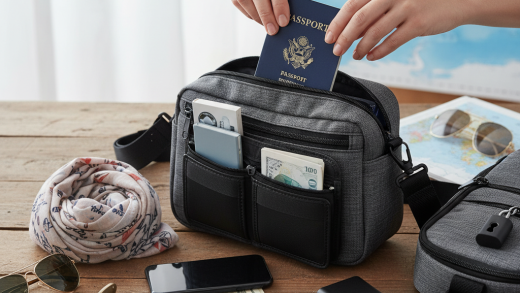
For your day bag or carry-on, consider an anti-theft backpack. These often feature slash-proof materials, lockable zippers, and hidden pockets that make it significantly harder for thieves to access your belongings. While these bags are great for general security, your passport should still ideally be in a money belt or neck pouch for maximum protection.
Utilizing Hotel Safes Wisely
Most hotels offer in-room safes or a central safe at the reception. These can be a good option for securing your passport when you’re out exploring, especially if you’re in a high-risk area or don’t need your physical passport for daily activities. However, be aware that hotel safes are not infallible. They can sometimes be opened by hotel staff with a master key or code, or can even be physically removed. Always use your own combination, and if possible, use a cable lock to secure your bag (containing your passport) to an immovable object inside the safe.
Avoid Obvious Pockets and Bags
Never, under any circumstances, place your passport in your back pocket, an unzipped front pocket, or an easily accessible outer pocket of a backpack or handbag. These are prime targets for pickpockets. Similarly, avoid leaving it in a bag that you set down and walk away from, even for a moment.
Strategic Packing for Maximum Security
Beyond just choosing the right storage, how you manage your passport in conjunction with other valuables is crucial for layered security.
Primary vs. Secondary Storage
Think in terms of primary and secondary storage. Your primary storage (e.g., money belt) is for your passport, primary credit cards, and a limited amount of emergency cash. Your secondary storage (e.g., hotel safe, locked luggage) is for backup cards, extra cash, and copies of documents. This way, if one layer of security is breached, you still have backups.
Separate Your Valuables
Do not keep your passport, all your credit cards, and all your cash in the same place. If you carry a small amount of daily spending money in your wallet, make sure your passport is secured elsewhere. This minimizes your losses if your wallet is snatched.
Never in Checked Luggage
This rule is non-negotiable. Your passport should always be in your carry-on bag or, preferably, on your person. Checked luggage can be lost, delayed, or tampered with, and accessing your passport mid-flight or upon arrival would be impossible.
Conceal, Don’t Flaunt
When you do need to access your passport, do so discreetly. Avoid pulling it out in crowded public spaces or flashing it unnecessarily. If you’re going through immigration, have it ready, but immediately re-secure it once you’ve passed through the checkpoint.
Keep it Accessible, Yet Secure During Transit
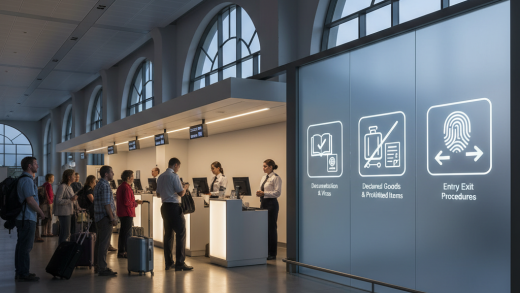
During airport security checks, you’ll need to remove your passport. Be mindful of your surroundings. Place it in a secure tray, but never let it out of your sight. Once you clear security, immediately put it back into your primary secure storage. The same applies to train stations or bus terminals where tickets or IDs might be checked frequently.
The brief moments your passport is exposed, such as at immigration counters or security checkpoints, are high-risk times. Have a plan for quick retrieval and immediate re-securing. Many travelers, distracted by the process, leave their passports behind at these critical junctures. Always double-check that you have it firmly back in its secure place before moving on.
At Your Destination: Daily Passport Management
Once you’ve arrived, your passport security strategy shifts slightly to adapt to daily activities and the local environment.
Securing it at Your Accommodation
As mentioned, a hotel safe can be a good option. If your accommodation doesn’t have a safe, use a portable safe bag with a cable lock to secure your passport (and other valuables) to a sturdy, immovable object in your room, like a pipe or bed frame. Always assume that your room might be accessed, even if you put up a ‘Do Not Disturb’ sign.
Daily Outings: Carry Copies, Not the Original
For most daily excursions, such as sightseeing, dining, or shopping, you typically do not need to carry your original passport. Instead, carry a high-quality photocopy or a digital image on your phone. Many countries accept a copy for routine identification, especially if you also carry another form of photo ID (like a driver’s license). This way, if your day bag is lost or stolen, you only lose a copy, not the original document.
When You Must Carry the Original
There are specific situations where you absolutely must carry your original passport: when crossing international borders (obviously), checking into new accommodation, opening a local bank account, picking up pre-booked tickets that require ID verification, or if local law explicitly mandates carrying original identification at all times. In these cases, use your most secure carrying method (e.g., money belt) and return it to a safe place as soon as the task is complete.
What If It’s Lost or Stolen? Immediate Action Plan
Despite all precautions, accidents can happen. Knowing what to do in the immediate aftermath of a lost or stolen passport can save you significant time and stress.
Stay Calm and Act Quickly
The first reaction is often panic, but try to remain calm. Retrace your steps, check all your belongings again, and ask around if you might have misplaced it. If you suspect theft, act immediately.
Report to Local Police
Head to the nearest police station to file a report. This police report is crucial for two reasons: it’s often required by your embassy or consulate to issue an emergency passport, and it helps you if you need to file an insurance claim. Obtain a copy of the report, ideally in English or a language you understand, if possible.
Contact Your Embassy or Consulate
As soon as you have a police report, contact your country’s embassy or consulate in the region. They are your primary resource for assistance. They can provide guidance on emergency travel documents, help you contact family, and offer advice on local laws and procedures.
Emergency Passport Procedures
Your embassy or consulate can issue an emergency passport or a limited-validity passport, which will allow you to return home or continue your travels. You will typically need your police report, proof of citizenship (e.g., a copy of your lost passport, birth certificate), a passport-sized photo, and a fee. The process can take a few days, so be prepared for potential travel delays.
Keep Emergency Contacts Handy
Always have a list of emergency contacts, including your embassy’s phone number, your travel insurance provider’s contact, and a trusted family member’s number, stored separately from your passport and digital copies. A physical card with this information in your wallet or another bag can be invaluable.
Common Passport Packing Mistakes to Avoid
Even experienced travelers can make mistakes. Being aware of these common pitfalls can further enhance your passport security.
Over-Reliance on a Single Method
Don’t put all your trust in just one security measure. Relying solely on a hotel safe or just carrying a money belt without backup plans increases vulnerability. Implement a layered approach.
Leaving it Unattended or Visible
Never leave your passport unattended in plain sight, whether in a cafe, on a hotel lobby table, or even in your car. A moment of distraction is all a thief needs.
Ignoring Local Advice or Warnings
Pay attention to local news, government travel advisories, and advice from trusted locals or your accommodation hosts. They can offer crucial insights into current security risks in the area.
Panicking Instead of Planning
While losing a passport is stressful, succumbing to panic will hinder your ability to resolve the situation. A calm, methodical approach, following the steps outlined above, is far more effective.
Conclusion: Travel with Confidence
Your passport is an invaluable document that deserves meticulous care and robust protection throughout your international travels. By adopting a proactive mindset, employing secure storage solutions, and understanding the steps to take in an emergency, you significantly enhance your travel security. These strategies aren’t about fostering fear, but rather about empowering you to explore the world with greater confidence and fewer worries.
A safe trip is a memorable trip, and safeguarding your passport is a fundamental step towards that goal. Travel smart, stay informed, and enjoy the incredible experiences that await you beyond your borders.