
This Adriatic Country With No Fingerprinting Until 2028 Just Saw A 33% Surge In American Travelers
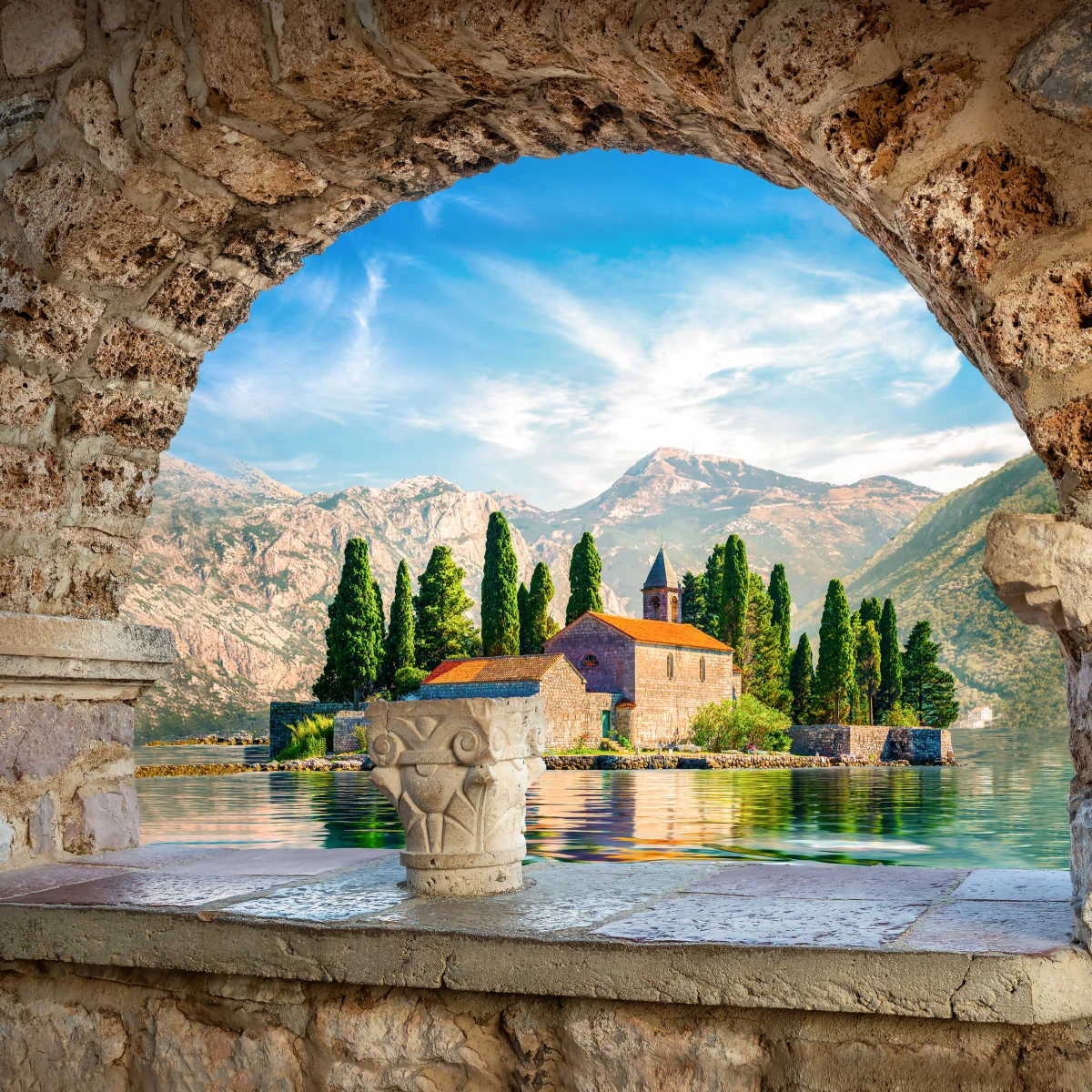
When travelers think of the Adriatic, the imposing medieval towers of Dubrovnik or the sprawling Roman-era ruins of Split usually come to mind. Both iconic destinations are located in Croatia, which has long stood as one of the most sought-after sunny hotspots in Europe for international tourists. However, those pristine Adriatic shores, dramatic mountain backdrops, and picture-perfect stone towns extend seamlessly into a second country located just south of Croatia.
Montenegro is rapidly catching up with its famous neighbor, having recorded a remarkable 33% surge in U.S. visitors over the course of the year. Travelers wondering what has been drawing Americans to this lesser-known destination will find a gorgeous Mediterranean coastline where the European Union’s mandatory fingerprinting and Entry/Exit System do not apply, creating a major appeal for those looking to bypass modern border biometric hassles.
Montenegro: One Of Europe’s Last-Standing Loopholes
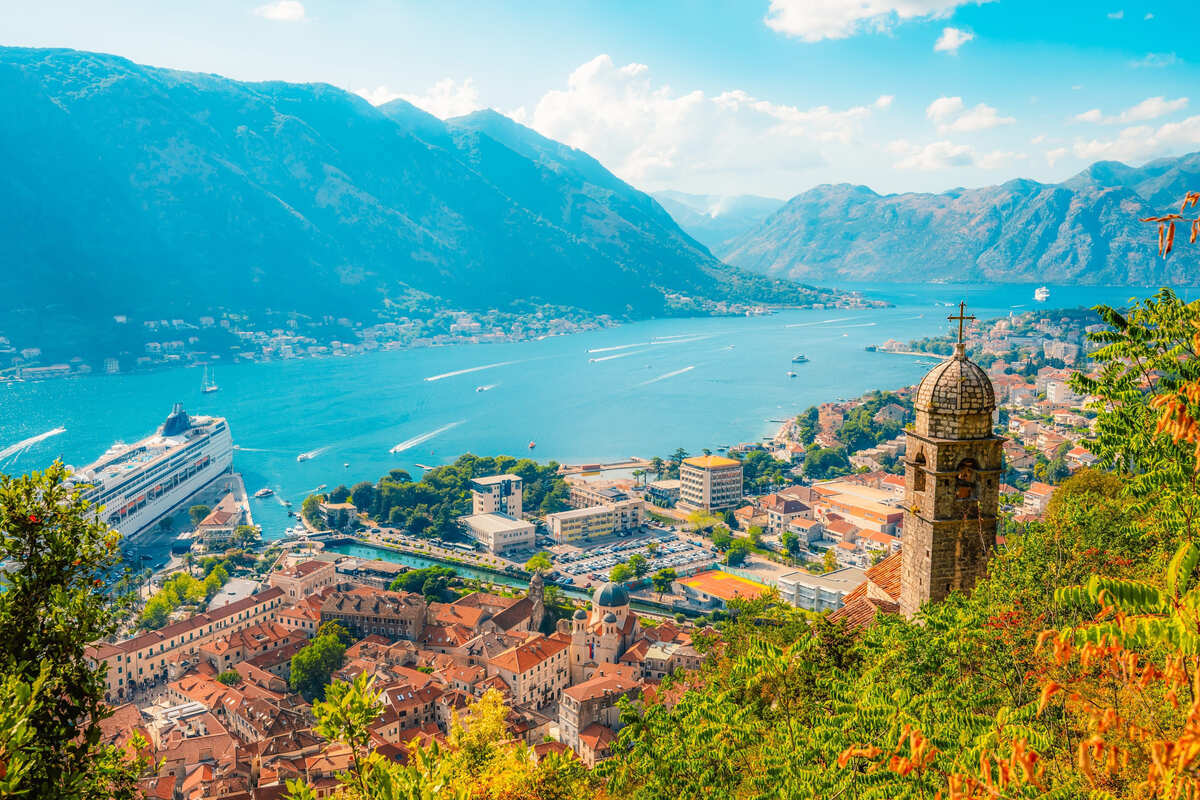
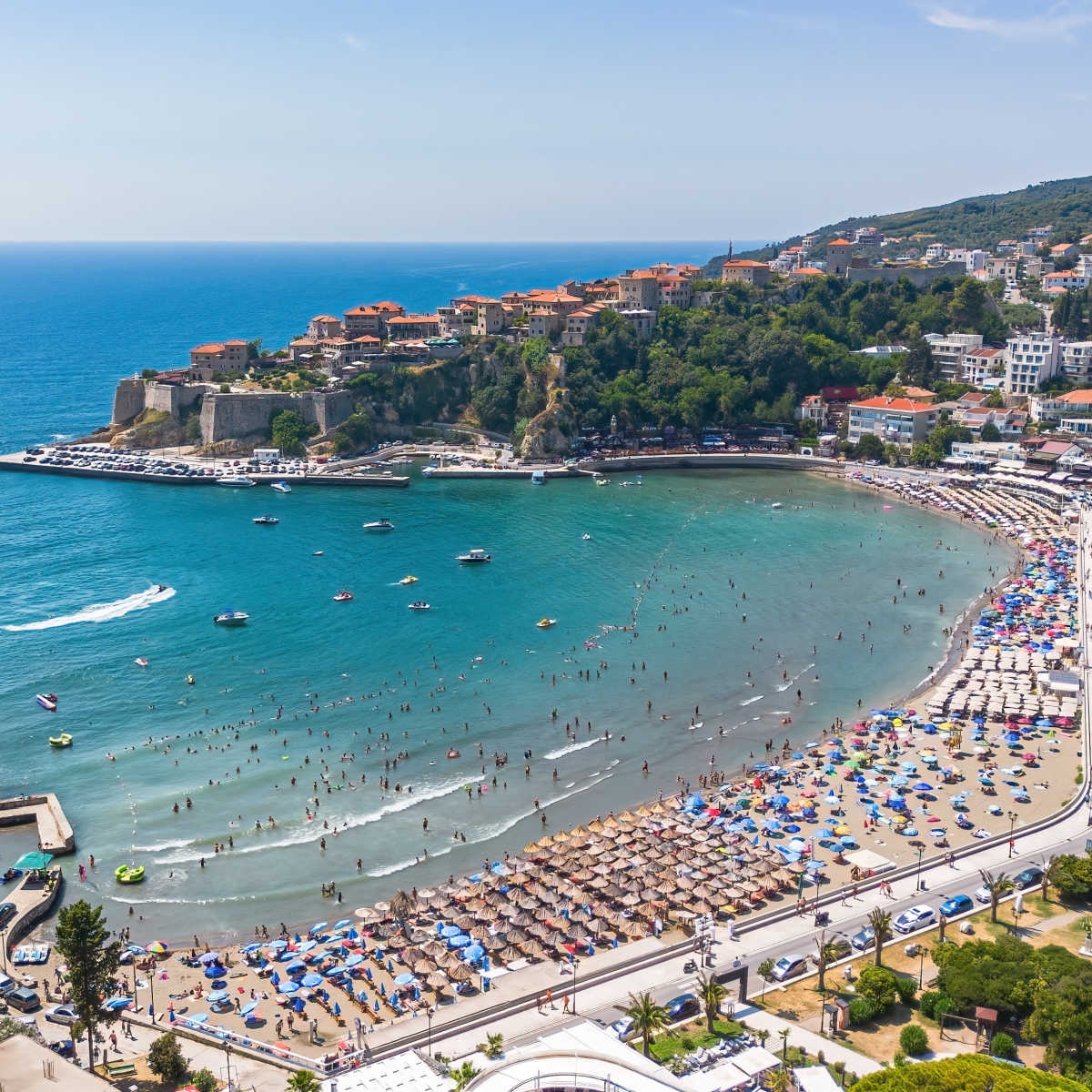
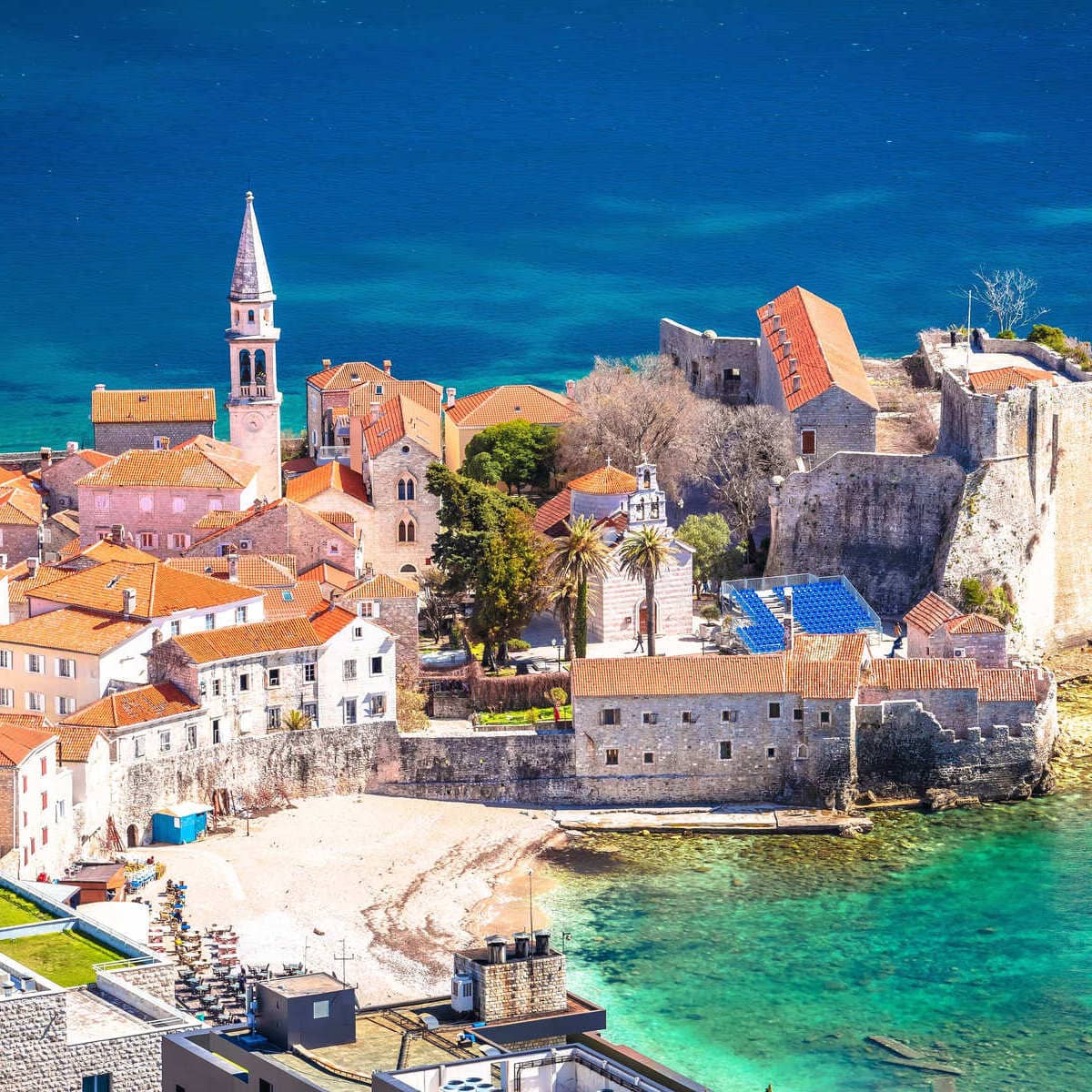
Montenegro presents a compelling landscape for both beach lovers and culture aficionados. Boasting 183 miles of coastline along the azure Adriatic Sea, the country features a fair share of picturesque pebbly beaches lapped by turquoise waters and a plethora of medieval harbors that trace their origins back to Venetian times. In many ways, it serves as Croatia 2.0, offering a similar aesthetic and historic charm but with a slightly different flavor and scaled-down crowds.
That is not to imply that Montenegro is entirely uncrowded. Far from that, its popular Dubrovnik-dupe of Kotor has developed into a trendy cruise hotspot in recent years, while the once laid-back beach town of Budva is now just as vibrant and frequented by international guests as regional hotspots like Zadar. Still, Montenegro remains somewhat low-key by comparison. Last year, the country saw a record-breaking 2.73 million tourist arrivals, which remains far behind Croatia’s staggering 21.8 million annual visitors.
Even when comparing the volume of guests relative to local populations, Croatia still comes out ahead. With a permanent population of only 623,000, Montenegro recorded roughly 438,000 tourist arrivals per 100,000 residents. Meanwhile, Croatia, with its 3.87 million residents, welcomed approximately 563,000 visitors per 100,000 inhabitants. While Montenegro can no longer be classified as a hidden gem—as truly hidden corners of Europe have become increasingly rare—it remains one of the best bets for a slightly quieter, more offbeat summer along the Adriatic coast, a fact that American travelers have clearly caught on to.
Americans Keep Flocking To Montenegro
According to official figures released by Montenegro’s Ministry of Tourism, American tourist arrivals reached 71,262 between January and September. That performance marks a striking 33% increase over the exact same period from the previous year, while total overnight stays by U.S. citizens rose by 27%, indicating that American interest in the destination is showing no signs of slowing down.
This steady influx reflects a broader shift in travel patterns as Americans look beyond traditional European capitals and hyper-touristy coastal hubs in search of alternatives that offer natural beauty, rich history, and a smoother entry process.
Why Don’t Europe’s New Fingerprinting Rules Apply To Montenegro?
Montenegro is currently not a member of the European Union, nor is it part of the associated Schengen Area. However, the nation is actively leading the race to become the bloc’s 28th member state. Among all the countries currently engaged in accession negotiations—a group that includes fellow Adriatic contender Albania, war-torn Ukraine, and Eastern European candidate Moldova—Montenegro stands out as the clear frontrunner, having provisionally closed 25 out of 33 negotiating chapters.
According to the European Commission’s latest roadmap, Montenegro has a clear path forward toward signing an Accession Treaty as early as June 2027, with the ultimate goal of achieving full EU membership by 2028. This prospective milestone is of major significance to Montenegrins, who would subsequently enjoy freedom of movement and the legal right to live, work, and study across the other 27 EU member states, subject to transitional regulations. However, the impending accession also raises questions about how visiting tourists, particularly from the United States, will be impacted.
How Montenegro’s Nearly-Confirmed EU Membership Affects American Tourists
A primary change anticipated down the line is the potential application of the EU’s new Entry/Exit System, commonly known as EES, to Montenegro’s international borders. There is an important nuance to consider, as the EES mechanism is strictly tied to the Schengen Area rather than to European Union membership itself. Consequently, joining the European Union in 2028 would not automatically compel Montenegro to institute mandatory fingerprinting and digital tracking for American visitors.

Cyprus serves as a clear precedent for this dynamic. Having been an EU member since 2004, Cyprus still does not participate in the EES framework because it remains outside the Schengen passport-free zone. Eventually, if Montenegro accedes to Schengen simultaneously or at a later date, it would be expected to adopt the bloc’s common external border procedures, which include biometric registration for short-term non-EU visitors entering from outside the zone.
At present, one of the most convenient ways for Americans to travel to Montenegro involves connecting through a third country, frequently within the EU itself. As long as travelers remain airside in an international transit area without officially crossing into the Schengen zone, they can generally avoid the additional European biometric checks implemented at major continental hubs. Because Montenegro maintains its own distinct immigration system separate from the EU, these rules have protected its appeal for travelers seeking a more traditional entry experience. Future Schengen membership, however, would alter that arrangement.
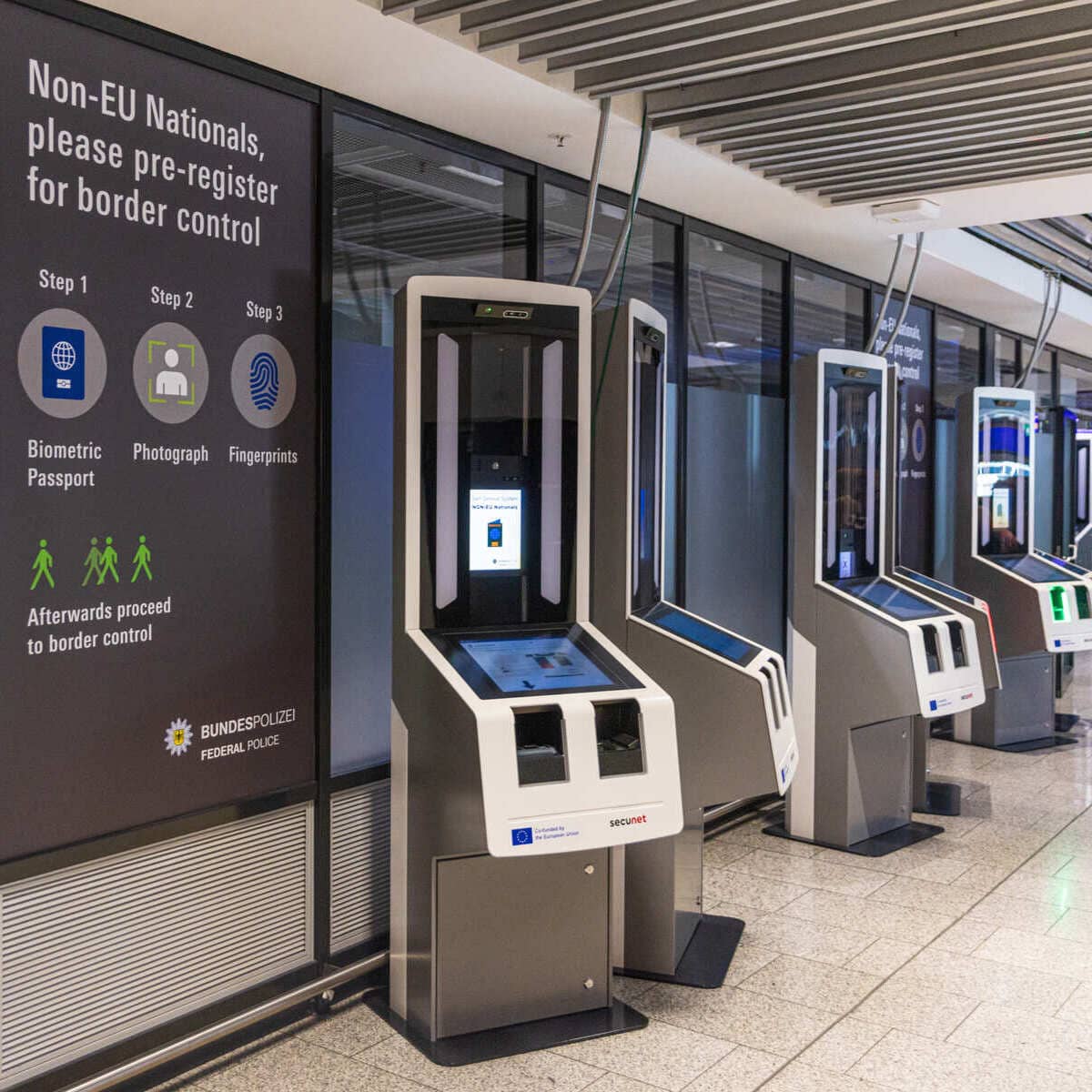
These administrative distinctions carry significant weight for modern travelers. Some visitors harbor reservations regarding the collection and retention of their biometric data by foreign governments, while others simply wish to avoid standing in long airport queues to interact with automated kiosks. In a sign of shifting administrative priorities, Montenegro already implemented a significant policy change by scrapping visa-free entry for Russian and Turkish passport holders, who previously enjoyed short-term stays of up to 30 days without documentation. Those travelers must now apply for visas in advance as part of Montenegro’s broader effort to align its immigration framework with EU standards ahead of formal integration.
Schengen Membership Could Impact Your Authorized Length Of Stay
The second major transition on the horizon involves Montenegro’s eventual integration into the Schengen Area. Travelers familiar with Schengen regulations know that once a country joins the zone, it adopts the standardized short-stay policy, meaning any time spent within its borders counts directly toward the cumulative 90-day Schengen allowance.

Currently, American citizens are granted a separate 90-day stay in Montenegro within any 180-day period, calculated independently of time spent in other European nations. Once Montenegro joins the Schengen zone, a short vacation in France, Italy, or neighboring Croatia will directly impact the remaining time a traveler is legally permitted to spend in Montenegro. For extended travelers or those planning slow-travel itineraries across multiple countries, this shared allowance introduces a new layer of mathematical planning.
Although EU accession does not automatically guarantee simultaneous Schengen membership—as demonstrated by Cyprus, which has waited decades while maintaining its independent border status—Montenegro is widely expected to join the passport-free zone at some stage. Schengen accessions historically involve rigorous evaluations, compliance with strict external border security standards, and formal approval by existing member states, a process that can take years following official EU entry. Croatia, for instance, joined the EU in 2013 and waited a full decade before entering the Schengen zone in 2023, while Bulgaria and Romania waited from 2007 until 2024.

Given the pace of current negotiations and the deep integration already established—such as Montenegro’s unilateral adoption of the euro and extensive legal reforms—its integration into Schengen could progress efficiently once EU membership is secured.
What Won’t Change For U.S. Travelers
For short-term American tourists visiting Montenegro, the fundamental nature of travel will remain largely stable. Once the country completes its transition into the EU and eventually the Schengen framework, U.S. passport holders are expected to retain visa-free access for stays of up to 90 days. The primary operational difference under a future Schengen arrangement would be the integration of those 90 days into the broader European allowance rather than maintaining a standalone national allocation.

For now, Montenegro remains outside both the European Union and the Schengen Area, preserving its distinct border policies and freedom from mandatory fingerprint kiosks. Whether viewed as an undiscovered refuge or an increasingly popular hotspot catching up to its neighbors, the country offers a compelling Adriatic experience that continues to draw record numbers of American visitors eager to explore its shores before future policy shifts take effect.
| Source | : | Open Passport |
| Author | : | Neng Nana |
| Editor | : | Open Passport Editorial Team |
