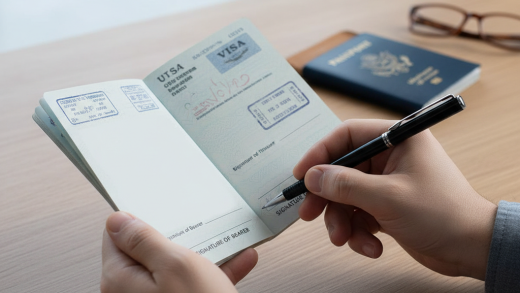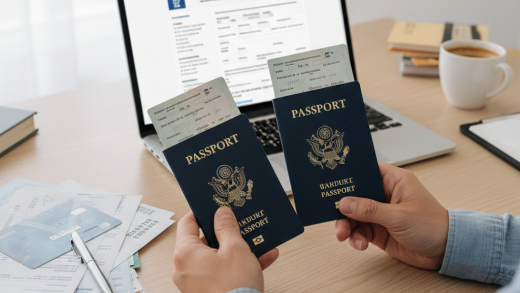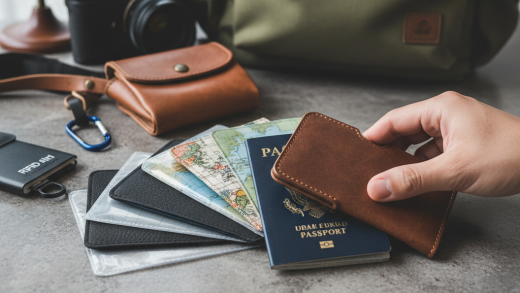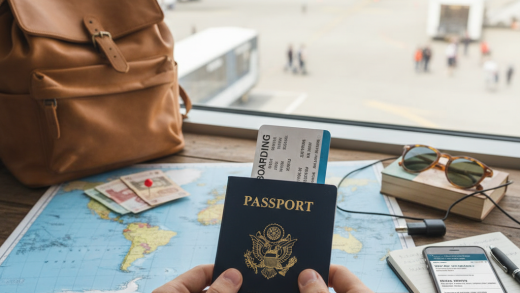
This comprehensive guide will demystify the concept of visa-free travel, explaining what it means, how to check your eligibility, and what preparations are necessary for a smooth journey. We’ll delve into the nuances of different entry requirements, from truly visa-exempt stays to visa-on-arrival and electronic travel authorizations, ensuring you’re well-informed before you pack your bags.
The Power of Your Passport: Understanding Global Mobility
At its core, visa-free travel means you can enter a foreign country without needing to apply for a visa in advance. The specific countries offering this privilege, and the duration of your permitted stay, depend entirely on the nationality of your passport. Passport strength is often measured by the number of destinations its holder can access without a prior visa, reflecting a country’s diplomatic relations and international standing.
Various global indices, such as the Henley Passport Index or the Arton Capital Passport Index, regularly rank passports based on their visa-free access. These rankings provide a fascinating snapshot of global mobility and can be a valuable resource for understanding your passport’s reach. While these rankings are informative, it’s crucial to remember that they are general guides; specific requirements can change rapidly.
Deciphering Visa Requirements: Your Essential Research Toolkit
Before booking any international trip, the single most critical step is to verify the current visa requirements for your nationality to your chosen destination. Never assume. Visa policies are dynamic and can change due to political developments, health crises, or bilateral agreements. Relying on outdated information can lead to denied boarding or refused entry upon arrival.
Here are the most reliable sources for visa information:
- Official Government Websites: Always check the embassy or consulate website of the country you intend to visit in your home country. This is the definitive source for up-to-date and accurate information.
- IATA Travel Centre: The International Air Transport Association (IATA) provides a comprehensive database used by airlines worldwide to check travel document requirements. Many airline websites offer a link to their IATA tool.
- Your Airline: When in doubt, contact your airline. They are responsible for ensuring passengers have the correct documentation for their destination and will prevent you from boarding if you don’t.
Understanding Different Types of ‘Visa-Free’ Entry
The term ‘visa-free’ isn’t always straightforward. It often encompasses several categories of entry:
- Truly Visa-Exempt: This is the simplest form, where you simply arrive with your valid passport and are granted entry for a specified period (e.g., 30, 60, or 90 days).
- Visa-on-Arrival (VOA): While not requiring pre-application, you obtain a visa upon landing at your destination’s airport or border crossing. This often involves filling out a form and paying a fee.
- Electronic Travel Authorization (ETA) / eVisa: Many countries now require an online application and approval before you travel, even if it’s not a traditional visa stamp. Examples include the ESTA for the USA, eTA for Canada, or the UK’s ETA. These are usually quicker and simpler than full visa applications but are mandatory.
It is vital to distinguish between these, as failure to obtain an ETA or eVisa prior to travel, where required, can result in being denied boarding or entry.
Preparing for Your Visa-Free Journey: Beyond the Passport
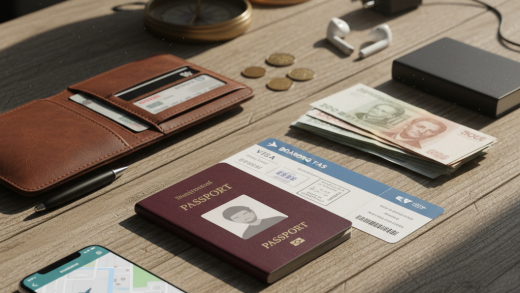
Essential Documents to Have Ready:
- Valid Passport: Ensure your passport has at least six months of validity remaining from your intended date of departure from the foreign country. Some countries only require three months, but six is a safer standard.
- Return or Onward Ticket: Proof that you intend to leave the country. This is a common requirement to prevent overstaying.
- Proof of Accommodation: Hotel bookings, hostel reservations, or an invitation letter from a host can be requested.
- Proof of Sufficient Funds: Immigration officials may ask to see evidence that you can support yourself financially during your stay without working illegally. This could be bank statements, credit cards, or cash.
- Travel Insurance: While not always mandatory, travel insurance is highly recommended. Some countries, particularly in Europe’s Schengen Area, require it even for visa-free visitors.
- Itinerary: A clear plan of what you intend to do can help convince officials of your genuine tourist intent.
Important Considerations for a Smooth Visa-Free Experience
Several factors can influence your visa-free travel experience:
- Purpose of Visit: Visa-free status is almost always for tourism or short business meetings. If your purpose is work, study, or permanent residency, you will almost certainly need a specific visa.
- Duration of Stay: Be acutely aware of the maximum permitted stay. Overstaying, even by a day, can lead to fines, deportation, and future travel bans.
- Transit Rules: If you’re transiting through a country on your way to another, check if you need a transit visa, even if you don’t plan to leave the airport.
- Children Traveling Alone or with One Parent: Additional documentation, such as consent letters from the non-traveling parent or guardianship documents, may be required.
Maintaining Your Passport’s Validity and Integrity
Your passport is your most valuable travel document. Treat it with care:
- Keep it Valid: Renew your passport well in advance of its expiry date. Don’t wait until the last minute, especially if you have upcoming travel plans.
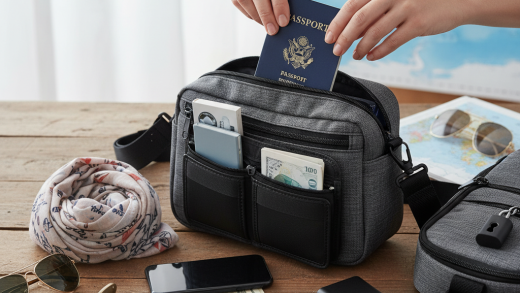
- Protect it from Damage: A damaged passport, even with minor tears or water damage, can be deemed invalid by immigration officials, leading to denied boarding or entry.
- Report Loss or Theft Immediately: If your passport is lost or stolen, report it to the local police and your country’s embassy or consulate as soon as possible.
Navigating Immigration at the Border
Arriving at a foreign airport’s immigration desk can be daunting, but a calm and prepared demeanor helps. Have all your documents ready, answer truthfully and concisely, and maintain polite eye contact. Avoid making jokes or being evasive, as this can raise suspicion. Remember, the immigration officer’s role is to protect their country’s borders.
Be prepared for questions about your purpose of visit, duration of stay, accommodation, and financial means. If you’re unable to articulate your plans or provide sufficient proof, you might face further questioning or, in rare cases, even refusal of entry.
Leveraging Dual Citizenship for Enhanced Mobility
For those fortunate enough to hold dual citizenship, you possess the power of two passports. This can significantly expand your visa-free travel options. Always enter and exit a country using the passport associated with that nationality if you are a citizen of that country. For other international travel, use the passport that grants you the best visa-free access to your destination.
However, be mindful of which passport you present to airlines and immigration officials. Airlines will typically check your passport against the visa requirements for your final destination. Ensure consistency in your travel documents to avoid confusion.
Common Pitfalls to Avoid
Even with visa-free status, travelers can encounter problems:
- Overstaying Your Welcome: This is arguably the biggest mistake. Overstaying your permitted duration can lead to severe penalties, including fines, deportation, and future bans from that country or even other allied nations.
- Working Illegally: Engaging in any form of paid or unpaid work on a tourist visa-free entry is illegal and can lead to immediate deportation.
- Misrepresenting Your Intent: If immigration officials suspect you are attempting to live, work, or study without the appropriate visa, they can deny you entry.
- Previous Immigration Violations: Past overstays or violations in other countries can sometimes flag you for additional scrutiny or even refusal of entry, depending on data sharing agreements.
The Evolution of Travel: Digitalization and Biometrics
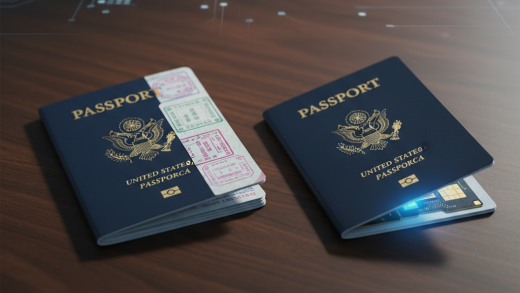
The future of visa-free travel is increasingly digital. Many countries are moving towards electronic travel authorizations (ETAs) and eVisas, streamlining the application process but still requiring pre-approval. Biometric data, such as fingerprints and facial recognition, are becoming standard at border controls, enhancing security and efficiency.
Understanding these technological shifts is crucial for modern travelers. While the process may change, the fundamental principle of verifying your eligibility and intent remains constant. Staying informed about the latest travel advisories and entry requirements will always be your best defense against unexpected issues.
Beyond the Tourist Trail: Leveraging Your Passport for Business
Visa-free access isn’t just for leisure. Many visa-free agreements also cover short-term business activities such as attending conferences, negotiating contracts, or exploring investment opportunities. However, it’s crucial to understand the exact scope of permitted business activities. Generally, actively ‘working’ or ‘earning income’ in the foreign country requires a specific business or work visa.
Always clarify what is permitted under your visa-free status for business purposes to avoid any legal complications. A simple consultation with the embassy or consulate of your destination country can provide much-needed clarity.
Health and Safety Considerations in Visa-Free Destinations
While your passport unlocks entry, your personal safety and health are paramount. Research the local safety conditions, political stability, and any health risks for your destination. Enroll in your country’s smart traveler programs (e.g., STEP for U.S. citizens, Smartraveller for Australians) to receive alerts and allow your embassy to locate you in emergencies.
Ensure your travel insurance covers medical emergencies, trip cancellations, and other unforeseen events. Even short, visa-free trips can encounter unexpected challenges, and being prepared is always the best strategy.
The Psychological Freedom of Visa-Free Travel
Beyond the logistical benefits, there’s a profound psychological freedom that comes with visa-free travel. The ability to spontaneously decide on a trip, to explore new cultures without bureaucratic hurdles, fosters a sense of global citizenship and adventure. It encourages more travel, broader perspectives, and a deeper understanding of our interconnected world.
This ease of movement allows for more flexible planning, last-minute getaways, and the opportunity to seize travel opportunities as they arise, enriching one’s life experiences immeasurably.
Conclusion: Embrace the World with Confidence
Your passport is more than just a booklet of personal identification; it’s a key to unlocking global opportunities and unforgettable experiences. By understanding its capabilities, diligently researching requirements, and preparing thoroughly, you can transform the dream of international travel into a seamless reality.
Armed with this knowledge, you are now ready to explore a world of visa-free destinations. So, check your passport’s validity, consult the official sources, pack your bags, and embark on your next great adventure with confidence and ease. The world awaits!