Why Your Passport is the Gold Standard of ID
Unlike a domestic driver’s license or national ID card, your passport is designed and issued according to international standards, primarily those set by the International Civil Aviation Organization (ICAO). This standardization means that officials, hoteliers, and authorities in nearly every country can recognize and verify it. It contains your photo, full name, date of birth, nationality, and a unique document number—all the essential elements of a robust identity document. While your driver’s license might be indecipherable to someone who doesn’t speak your language, a passport is a universally understood language of identity.
Non-Negotiable: When You MUST Use Your Physical Passport
While it’s tempting to leave your passport locked away at all times, there are specific situations where only the original, physical document will be accepted. Attempting to use a copy in these instances will lead to delays, frustration, and potential denial of service. It is crucial to have the original on your person for these activities.
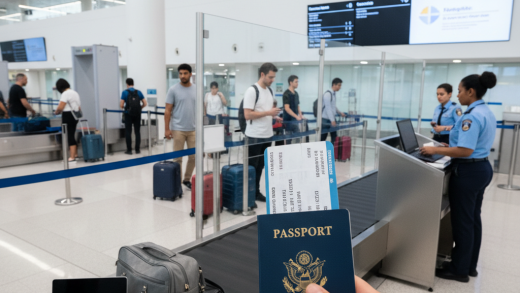
- Border Crossings: This is the most obvious. Whether arriving by air, land, or sea, immigration officials will always require your original passport to stamp it and grant you entry.
- Official Government Business: If you need to visit your country’s embassy or consulate for any reason, or if you’re registering with local police or immigration authorities as required in some nations, your physical passport is mandatory.
- Hotel and Accommodation Check-in: The vast majority of countries legally require hotels, hostels, and even short-term rentals to record the passport details of foreign guests. They will need to see the original document to verify your identity and log your passport number.
- Major Financial Transactions: Activities like opening a foreign bank account, wiring a large sum of money, or exchanging significant amounts of currency will almost always require your primary passport ID for anti-money laundering and security checks.
- Renting a Vehicle: Car rental agencies will need to see your original passport alongside your driver’s license and, if required, an International Driving Permit (IDP).
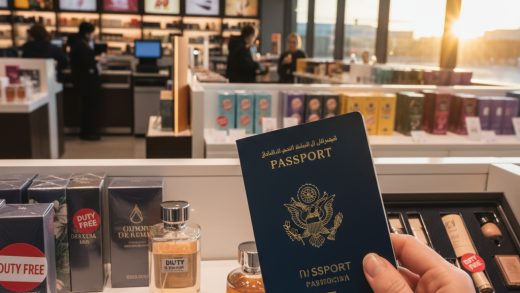
- Claiming Tax Refunds: If you’re taking advantage of tax-free shopping for tourists (like the VAT refund scheme in Europe), you will need to present your passport at the store when making the purchase and again at the airport’s customs office.
The Case for the Copy: Daily Use and Reducing Risk
For low-risk situations, a good-quality copy is often enough. This includes things like age verification for entering a bar or buying alcohol, securing an audio guide at a museum, or as a general form of ID to have on you for unexpected checks in countries where carrying identification is recommended. Many tourist attractions that offer discounts based on age may also accept a clear copy.
Creating and Storing Effective Passport Copies
Not all copies are created equal. To maximize your chances of it being accepted and to ensure you have a backup in an emergency, you should prepare several types of copies before you travel.
1. High-Quality Physical Photocopies: Make several color photocopies of your passport’s main data page (the one with your photo and personal information). It’s also wise to copy the page with your entry stamp for the country you’re visiting, as this proves you are there legally. Keep one in your wallet and another in your main luggage, separate from the actual passport.
2. Digital Scans on Your Phone: Use your phone’s camera or a scanning app to create a clear, high-resolution digital image of the same pages. Store this in a secure folder on your phone for easy access. You can ‘favorite’ it in your photo gallery so you can pull it up quickly without scrolling.
3. Secure Cloud Storage: This is arguably the most important backup. Upload your digital scans to a secure cloud service like Google Drive, Dropbox, or iCloud. This ensures that even if your wallet, luggage, and phone are all lost or stolen, you can still access a copy of your passport from any internet-connected device in the world. This is invaluable when you need to contact your embassy for an emergency replacement.
The Dangers of Carrying Your Passport 24/7
The primary reason to rely on copies is to mitigate the immense risks associated with carrying the original document. Losing your passport abroad is more than an inconvenience; it can derail your entire trip.
- Theft: Tourists are prime targets for pickpockets, and a passport is a highly valuable item on the black market, used for identity theft and illegal immigration.
- Loss: A simple mistake—leaving it on a café table, it falling out of a pocket—can lead to a cascade of problems, including filing police reports, visiting your embassy, and paying for an expensive and time-consuming replacement.
- Damage: An unexpected rainstorm, an accidental spill, or simply bending it in your pocket can cause water damage, tear the pages, or damage the biometric chip, potentially rendering it invalid for travel.
Best Practices for Passport Safety and Security
Smart passport management is about being prepared and proactive. Follow these best practices to keep your document safe.
The safest place for your passport is almost always in a locked safe in your hotel room or apartment. If no safe is available, secure it within a locked piece of luggage and consider using a portable travel safe that can be anchored to a fixed object in the room.
- Money Belt or Neck Wallet: Worn under your clothes, these are the most secure options as they are invisible and inaccessible to pickpockets.
- Anti-Theft Bag: Invest in a travel bag or purse with features like slash-proof straps, locking zippers, and RFID-blocking pockets to protect the biometric chip in modern passports.
- Internal Zipped Pocket: If using a regular jacket or bag, always place the passport in a zipped pocket on the inside, closest to your body.
A Note on Country-Specific Laws
It is essential to research the laws of your destination. Some countries have a legal requirement for all individuals, including tourists, to carry an official form of photo identification at all times. In these places, a photocopy may not be legally sufficient during an official check by law enforcement. A quick search on your government’s travel advisory website for your destination country will usually clarify these local requirements. If you are in a country where carrying ID is mandatory, you may need to carry the original passport, making secure carrying methods even more critical.
The U.S. Passport Card: A Limited Alternative
For U.S. citizens, the Passport Card is a wallet-sized ID that serves as a valid travel document for re-entry into the United States by land or sea from Canada, Mexico, the Caribbean, and Bermuda. It is not valid for international air travel. While it is an official, government-issued photo ID, its recognition as such in foreign countries far from the U.S. border is very limited. It can be a useful secondary ID, but it is not a substitute for your passport book when traveling globally.
What to Do If Your Passport is Lost or Stolen Abroad
Even with the best precautions, accidents happen. If you find yourself without your passport, take a deep breath and follow these steps immediately. Your preparation with digital copies will now be invaluable.
Step 1: Report it to the Local Police. Go to the nearest police station and file a report. Be as detailed as possible about when and where you lost it. Obtain a copy of this police report; it is essential for both your embassy and any travel insurance claims.
Step 2: Contact Your Country’s Embassy or Consulate. This is your most critical step. Use Google Maps to find the nearest embassy or consulate for your country. Call them or go there in person. They are there to help citizens in distress and are the only entity that can issue you an emergency travel document.
- The police report.
- A completed passport application form.
- New passport-sized photos (embassies can often direct you to a nearby place to get these).
- Proof of identity and citizenship (this is where your digital copy is a lifesaver).
- Proof of your travel itinerary (e.g., a flight confirmation).
- The fee for the replacement document.
Step 4: Adjust Your Plans. Receiving an emergency passport or travel document is not instant. It can take anywhere from 24 hours to several days, depending on the circumstances and the embassy’s workload. Be prepared for this to affect your travel plans.
Conclusion: Travel Smart, Travel Safe
Your passport is your single most important possession when you are abroad. Treating it with respect and protecting it diligently is fundamental to a smooth and enjoyable trip. By understanding when the original is required and when a copy will do, you can minimize risk without hindering your daily adventures. Lock it up when you can, carry it securely when you must, and always have a digital backup plan. Smart passport handling isn’t about paranoia; it’s about preparation, and it’s the hallmark of a savvy global traveler.