Pre-Trip Preparation: The Rule of Redundancy
Passport security begins long before you head to the airport. The first rule of safe travel is redundancy. If your physical passport is lost or stolen, having copies can significantly speed up the replacement process at your consulate. You should start by making two distinct types of copies: digital and physical.
For digital copies, scan the identification page of your passport—the one with your photo and personal details. Save this file in a secure, password-protected location. Good options include a cloud storage service like Google Drive or Dropbox, or a secure folder on your smartphone. Additionally, email a copy to yourself and a trusted family member or friend back home. This ensures that even if you lose your phone and your luggage, you can still access your passport details from any computer with internet access.
Physical copies are equally important. Print out two or three high-quality color photocopies of your passport’s ID page. Place these copies in different bags. For example, keep one in your checked luggage, one in your carry-on, and perhaps one with your travel companion. If your primary bag is stolen, you will still have a paper record to present to authorities.
The Transit Phase: Airports, Trains, and Buses
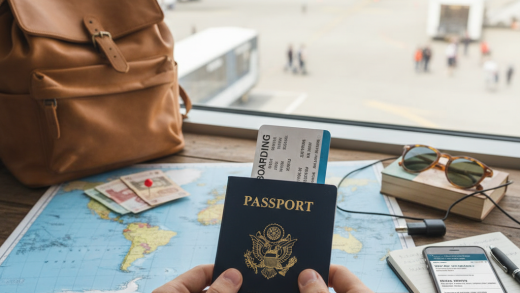
Avoid the common mistake of holding your passport and boarding pass in your hand while walking through the terminal. It is too easy to set them down at a coffee shop counter or leave them on a seat while distracted by a departure board. Instead, designate a specific, zippered pocket in your personal bag or jacket for your documents. Immediately after showing your ID to security or gate agents, return it to that specific pocket. Do not just shove it into an open coat pocket or the back pocket of your jeans.
A specific danger zone is the airplane seat pocket. Many travelers slide their passport into the seatback pocket in front of them during a flight to keep it handy for filling out customs forms. This is one of the most common places passports are forgotten. Once you deplane, getting back onto the aircraft to retrieve a forgotten item is often impossible due to security regulations. Always keep your passport on your person or in your bag under the seat.
Gear and Accessories for Passport Safety
Investing in the right travel gear can add a layer of physical security to your documents. One of the most popular items is a passport holder or travel wallet. These organizers are designed to hold your passport, boarding passes, credit cards, and cash in one place. Look for one that is large enough to be difficult to lose but slim enough to fit in a secure bag compartment.
For those traveling to areas known for pickpocketing, or for peace of mind in crowded markets, a money belt or a neck pouch is a classic solution. These are designed to be worn under your clothing. While they may not be the most fashionable accessories, they render your passport virtually inaccessible to thieves. If you use a money belt, remember that it is for storage, not for active use. You should not be digging into your shirt to pay for a souvenir; keep a small amount of ‘daily cash’ in a regular wallet and keep the rest hidden.
Another modern consideration is RFID-blocking technology. Many modern passports contain a radio-frequency identification chip that holds your personal data. While the risk of ‘electronic pickpocketing’ (where thieves scan your chip from a distance) is debated by security experts, using an RFID-blocking sleeve or wallet is an inexpensive precaution that harms nothing and might save you from identity theft.
At Your Destination: To Carry or Not to Carry?
Once you check into your accommodation, you face the eternal traveler’s dilemma: Should you carry your passport with you while sightseeing, or leave it in your room? The answer depends largely on local laws and the security of your accommodation. In some countries, it is a legal requirement for foreigners to carry their original passport at all times. You must research the laws of your specific destination before you decide.
If local law allows you to carry a copy, it is almost always safer to leave your original passport locked up at your hotel or hostel. A color photocopy or a digital image on your phone usually suffices for age verification at bars or identifying yourself to merchants. Carrying the original increases the risk of it falling out of a pocket, getting damaged by rain, or being stolen.
Securing Documents in Hotels and Hostels
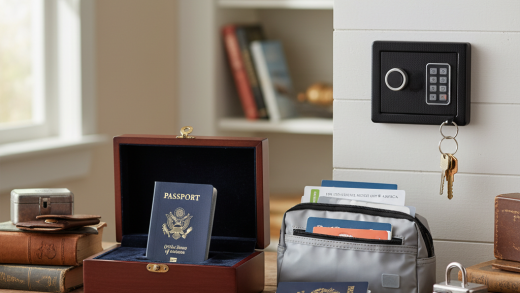
If you decide to leave your passport in your room, you must secure it properly. Most hotel rooms come equipped with a digital safe. While these are generally secure against opportunistic theft, they are not Fort Knox. Hotel staff often have master codes to override the locks. However, using the safe is still statistically safer than leaving your passport in a bedside drawer.
If your room does not have a safe, or if you are staying in a hostel, you need to be more creative. In a hostel, always bring your own high-quality padlock and use the provided lockers. If no locker is available, lock your passport inside your suitcase. You can use TSA-approved luggage locks to secure the zippers of your bag. For added security, some travelers use a cable lock to tether their bag to a fixed object in the room, like a bed frame or radiator.
Protecting Against Damage
Theft isn’t the only enemy; the elements can be just as destructive. A water-damaged passport—where the photo is blurred or the data chip is corroded—is often considered invalid by border control officers. If you are traveling to humid destinations, beach towns, or during the rainy season, you must waterproof your documents.
A simple, low-cost solution is to keep your passport inside a sealed Ziploc bag. This protects it from sudden downpours, spilled drinks in your bag, or high humidity. If you are engaging in water sports or boat trips, consider investing in a professional waterproof dry bag or a specialized waterproof document pouch.
You should also be mindful of the physical condition of the booklet. Do not bend it excessively or use it as a coaster. If the cover begins to detach or the pages start tearing, you may face scrutiny or denial of entry at borders. Keeping it in a stiff cover or holder helps maintain its structural integrity.
Common Scams and Pitfalls to Avoid
Travelers should be wary of situations where they are asked to hand over their passport as collateral. It is common practice for rental shops (bikes, scooters, jet skis) or some accommodations to ask to hold your passport until you return the item or check out. Never agree to this.
Your passport belongs to your government, and handing it over to a third party leaves you incredibly vulnerable. If a shop demands a passport, offer a copy and a cash deposit instead. If they refuse, find another vendor. There are plenty of scams where a rental agency will hold a passport hostage, claiming you damaged a vehicle and demanding an exorbitant fee to return your document.
Be cautious of fake police officers. In some tourist hotspots, scammers dressed in uniforms may approach you and demand to see your identification and wallet to ‘check for counterfeit currency.’ Real police officers will rarely ask for your wallet. If you are stopped, be polite but firm. Ask to see their badge, and if you are suspicious, offer to walk with them to the nearest police station to show your documents there. Never hand your passport to a stranger on the street.
What to Do If Your Passport Is Lost or Stolen
Despite your best efforts, bad luck can happen. If your passport is missing, do not panic. Action is your best recourse. First, retrace your steps and check with the lost-and-found departments of places you recently visited. If it is truly gone, you must act immediately.
Step 1: File a Police Report. Go to the nearest police station and file a report for a lost or stolen passport. This document is crucial; you will likely need it to apply for an emergency passport, and it serves as proof that you did not illegally sell your document.
Step 2: Contact Your Embassy or Consulate. Locate the nearest diplomatic mission for your country. Visit their website to understand their specific requirements for emergency travel documents. This is where your pre-trip preparation pays off—having those digital and physical copies of your passport will significantly expedite the verification of your identity.
Step 3: Take New Photos. You will likely need to provide new passport-sized photos for your emergency document. The embassy can usually direct you to a nearby photographer who knows the specific size requirements.
Conclusion
Your passport is the most powerful item in your luggage. It grants you the freedom to cross borders and the security of knowing you can return home. While the world is generally a welcoming place, the inconvenience of a lost passport is a disruption no traveler wants to face.
By incorporating these habits—making copies, using secure gear, staying aware in transit, and knowing how to handle storage at your destination—you transform passport safety from a source of anxiety into a simple routine. Safe travels are about preparation, and with your passport secure, you are free to immerse yourself fully in the adventure that awaits.