In an instant, the excitement of your upcoming vacation evaporates, replaced by a cold wave of panic. Dealing with a damaged passport at the airport is a high-stakes situation that requires quick thinking, a calm demeanor, and a clear understanding of the rules. While it is certainly a precarious position to be in, all hope is not necessarily lost.
This comprehensive guide will walk you through exactly what constitutes a “damaged” passport, why airlines are so strict about it, and the step-by-step actions you can take if you find yourself facing rejection at the departure gate.
Understanding the Difference: Wear and Tear vs. Damage
Before you panic, it is crucial to assess the condition of your document objectively. Passports are valid for ten years (for adults), and governments expect them to show signs of use. Faded gold lettering on the cover, slightly dog-eared pages, or a bit of fraying on the edges usually fall under the category of “normal wear and tear.” Immigration officers generally overlook these minor cosmetic issues.
However, “damage” is a different classification entirely. The U.S. Department of State and international border agencies define damage as a condition that compromises the integrity of the booklet or the legibility of the data. If the damage raises doubts about the document’s authenticity or the identity of the holder, you are in the danger zone.
- Water damage: This is the most common culprit. If the pages are crinkled, the ink has run, or the photo is distorted due to moisture, the passport is often considered invalid.
- Torn or missing pages: You should never tear a page out of your passport. Even a visa page that seems useless to you is part of the official document. If pages are missing or hanging by a thread, it is a red flag.
- Separated binding: If the booklet is coming apart or the cover has detached from the internal pages, it is considered mutilated.
- Unauthorized markings: Children drawing on pages, souvenir stamps from unofficial locations (like Machu Picchu or Checkpoint Charlie) placed on official pages, or extensive stains can render the document void.
- Damaged RFID Chip: Modern e-passports contain a chip in the back cover. If the back cover is bent, cracked, or punctured, the chip may not scan, causing failure at electronic gates.
Why Airlines Are the First Line of Defense
You might wonder why the airline check-in agent is being so difficult. After all, isn’t it the job of the immigration officer at your destination to decide if you can enter? While that is technically true, airlines carry a heavy burden of responsibility.
Immediate Steps to Take at the Check-In Desk
1. Ask for a Supervisor Opinion
Check-in agents have varying levels of experience. A new employee might be overly cautious about a slight tear that a veteran agent would ignore. Politely ask if a supervisor can review the document. A supervisor may have a better understanding of the specific entry requirements for your destination and the threshold for acceptable wear.
2. Demonstrate the Integrity of the Data Page
The most critical part of the passport is the bio-data page (the one with your photo and name). If this page is intact, the laminate is not peeling, and the machine-readable zone (the code at the bottom) is clear, point this out. Ask the agent to try swiping it through their reader. If the machine accepts it, you have a stronger argument that the passport is functional.
3. Verify Destination Requirements
Some countries are notoriously strict (e.g., Indonesia regarding Bali, or Vietnam), while others may be more lenient. If you are traveling to a country with relaxed entry rules, politely mention this, though the airline’s internal policy may still supersede this.
Scenario A: Domestic Travel
If you are flying domestically within the United States (or within your own country), a damaged passport is less of a catastrophe, provided you have other forms of identification. The Transportation Security Administration (TSA) requires a valid government-issued photo ID.
If your passport is your only ID and it is damaged, the TSA officer has the discretion to accept it if the data is legible. However, you will likely be subjected to additional screening. If the passport is completely unreadable, you can enter the “Forgot ID” protocol, where TSA verifies your identity through public databases using your name, address, and other personal information. This takes time, so arrive early.
Scenario B: International Departures (The Hardest Hurdle)
Check for a Regional Passport Agency
In very rare instances, major cities with large international airports (like Miami, New York, or Los Angeles) have Passport Agencies nearby. These agencies can issue emergency same-day passports, but they generally require an appointment and proof of immediate travel (your flight itinerary).
Scenario C: Returning Home with a Damaged Passport
If your passport is damaged while you are already abroad, the dynamic changes. Your goal is to get back to your country of citizenship. Airlines are generally more lenient when flying you home because you cannot be denied entry to your own country (in most jurisdictions, including the US and UK).
However, you still need to board the plane. If the damage is severe, you may need to visit your country’s nearest embassy or consulate to obtain an emergency travel document or a limited-validity emergency passport. These can often be issued within 24 hours.
Upon arrival at your home border, expect delays. If your passport is damaged, the automated e-gates will not work for you. You will need to see a border control officer. They will likely pull you aside for secondary screening to verify your identity. Be honest about how the damage occurred. Once they verify you are a citizen, they must let you in, though they will likely instruct you to replace the book immediately.
What NOT To Do
Do not tamper with the document.
If a page is falling out, do not use scotch tape to fix it. Do not use superglue on the binding. Tampering is a federal offense in many nations and implies you are trying to hide something or alter the document. A tattered passport is suspicious; a taped-up passport is often automatically invalid.
Do not hide the damage.
Trying to hold the passport in a way that obscures a tear usually backfires. When the agent asks to see the document, they will handle it themselves. Attempting to hide the flaw makes you look deceptive.
Prevention: The Best Cure
The best way to deal with a damaged passport is to prevent it from happening. Once you resolve your current crisis, take steps to protect your travel documents for the future.
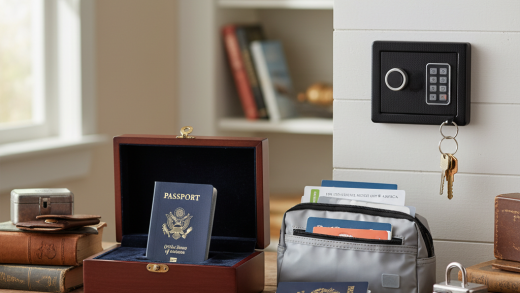
Invest in a high-quality passport cover. This protects the binding from bending and the cover from fraying. However, be aware that you will often be asked to remove the cover at border control, so choose one that is easy to slip on and off.
Keep your passport in a waterproof bag or a Ziploc bag when traveling in humid climates or near water. Many passports meet their end in the washing machine; always check your pockets before doing laundry.
Finally, pay attention to the validity and condition of your book well before your trip. If your passport looks tired, battered, or has seen better days, renew it six months before you plan to travel. The peace of mind is worth the renewal fee.
Conclusion
Dealing with a damaged passport at the airport is stressful, but it is not always a dead end. By remaining calm, treating airline staff with respect, and knowing your rights regarding supervisor reviews and alternative identification, you give yourself the best chance of making your flight. If the worst happens, knowing how to contact emergency passport agencies or embassies will ensure that a damaged booklet doesn’t ground you forever.