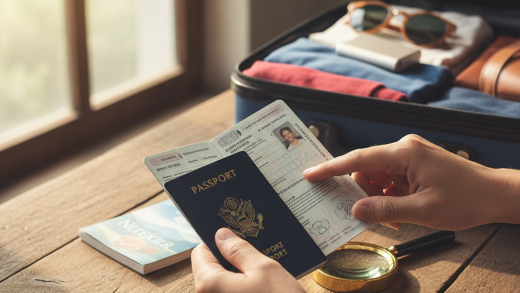
Think of a passport cover as an insurance policy for your most valuable travel document. It shields it from the inevitable rigors of travel: accidental spills in a cafe, being bent in a tight pocket, or the corners fraying from being constantly pulled in and out of your bag. A durable cover preserves the integrity of your passport, ensuring the bio-data page remains scannable and the pages stay intact for many trips to come.
Why a Passport Cover is a Non-Negotiable Travel Accessory
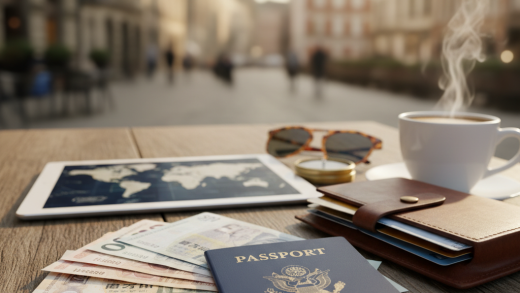
Beyond simple physical protection, a passport cover serves multiple functions that can streamline your travel experience. Many are designed as compact travel wallets, offering dedicated slots for boarding passes, credit cards, identification cards, and even a bit of foreign currency. This consolidation keeps all your immediate travel necessities in one organized, easily accessible place, reducing the frantic search through multiple pockets at the check-in counter or security line.
Another compelling reason is ease of identification. In a rush, it’s easy to grab the wrong document. A distinctive passport cover—whether through a bright color or a unique design—makes your passport instantly recognizable in your bag. This is especially useful when traveling with family, as it helps differentiate between multiple passports, preventing mix-ups at the immigration counter.
Perhaps the most critical function of a modern passport cover is security. Most new passports are e-Passports, containing a small RFID (Radio-Frequency Identification) chip embedded in the cover. This chip stores your personal information, including your name, date of birth, and photo. A passport cover equipped with RFID-blocking technology creates a protective shield, preventing unauthorized scanners from remotely reading and stealing your sensitive data—a crime known as RFID skimming.
Material Matters: Choosing the Right Foundation for Protection
The material of your passport cover is the first and most important decision, as it dictates its durability, feel, and overall protective capabilities. Each material offers a unique set of advantages and disadvantages tailored to different types of travelers.
Genuine Leather
For those who value timeless style and longevity, leather is the undisputed champion. Full-grain leather, the highest quality grade, is incredibly durable and develops a beautiful, rich patina over time, telling a story of your travels. It offers excellent protection against bending and wear. However, it comes at a higher price point and requires occasional conditioning to keep it from drying out.
Faux Leather (PU Leather)
A popular and ethical alternative, polyurethane (PU) or faux leather provides the look of genuine leather without the high cost or use of animal products. It’s water-resistant and available in a vast array of colors and textures. While it’s a great budget-friendly option, it generally isn’t as durable as real leather and may start to peel or crack after extensive use.
Fabric and Canvas
Fabric covers, often made from canvas, cotton, or tweed, offer a lightweight and often more casual aesthetic. They come in an endless variety of patterns and designs, allowing for significant personal expression. Many are machine washable, which is a practical benefit. The main drawback is that most are not inherently water-resistant (unless specifically treated) and offer less structural rigidity against bending compared to leather.
Plastic and Vinyl
Simple, clear plastic or vinyl covers are the most basic and affordable option. Their primary advantage is being completely waterproof, offering excellent protection against spills. The clear design also allows officials to see the front of your passport without you needing to remove it. On the downside, they can feel cheap and may become brittle and crack in cold temperatures or with age.
Advanced Synthetics (e.g., Ballistic Nylon)
For the rugged adventurer, materials like ballistic nylon or other high-performance synthetics provide superior durability and water resistance. These are the same materials often used in high-end luggage and outdoor gear, designed to withstand extreme conditions. They may not have the classic appeal of leather, but their functional performance is unmatched.
Decoding Security Features: Beyond Physical Armor
In today’s digital age, protecting your passport goes beyond preventing physical harm. Securing your personal data is equally crucial.
Understanding RFID-Blocking Technology
As mentioned, modern e-Passports contain an RFID chip. While this technology speeds up immigration processes, it also creates a vulnerability. RFID skimmers can use a portable reader to wirelessly access the data on your chip from a short distance. An RFID-blocking passport cover contains a layer of a unique metal alloy or carbon fiber material that is engineered to block these radio waves, effectively creating a Faraday cage around your passport and credit cards. When choosing a cover, look for explicit confirmation that it offers RFID protection.
The Importance of a Secure Closure
How your passport cover closes can also contribute to its security. A secure closure keeps the cover from accidentally flapping open in your bag, which could expose cards or other items stored inside. Common options include:
- Elastic Band: Simple, lightweight, and effective at keeping the cover shut.
- Snap Button: Provides a more secure and definitive closure.
- Zipper: Offers the highest level of security, encasing all contents completely. This is common in larger travel wallet-style holders and is ideal for ensuring nothing falls out.
Functionality and Design: Finding the Perfect Fit for Your Travel Style
The ideal passport cover should complement your travel habits. Consider how you move through airports and what you need to have readily available.
Minimalist Sleeve vs. Travel Wallet
Your first choice is between a simple, slim sleeve and a more feature-rich wallet.
- The Minimalist Sleeve: This design is slim and lightweight, offering basic protection without adding bulk. It’s perfect for travelers who prefer to keep their passport separate from their main wallet and value a streamlined pocket feel.
- The Travel Wallet: This is an all-in-one solution. It features a passport slot alongside multiple pockets for credit cards, cash, boarding passes, SIM cards, and sometimes even a pen. It’s ideal for the hyper-organized traveler who wants everything in one place.
Assessing Pockets and Compartments
If you opt for a wallet style, think carefully about what you need to carry. Do you need two card slots or six? Is a clear ID window important? Do you need a larger pocket for different currencies? A small, hidden pocket can also be useful for storing a spare SIM card or memory card. A dedicated pen holder is a surprisingly valuable feature for filling out landing cards and customs declarations on the fly.
Ensuring the Right Size and Fit
While passports adhere to an international standard size (ISO/IEC 7810 ID-3, which is 125 × 88 mm or 4.921 × 3.465 in), the covers can vary. A good cover should be snug enough to hold the passport securely, but not so tight that it’s a struggle to remove it. Remember, immigration officials worldwide will require you to remove the passport from its cover for inspection and stamping. Easy removal is a key functional requirement.
A Note on Style and Personalization
While function is paramount, style is what makes the accessory yours. A passport cover is a reflection of your personality. A brightly colored cover is not only stylish but also highly practical, making it easy to spot in the depths of a backpack or hotel room. For a more sophisticated look, a classic black or brown leather cover is timeless. Many companies also offer monogramming or personalization, which adds a bespoke touch and makes for an excellent gift for any avid traveler.
Common Question: Do I Need to Remove My Passport from its Cover?
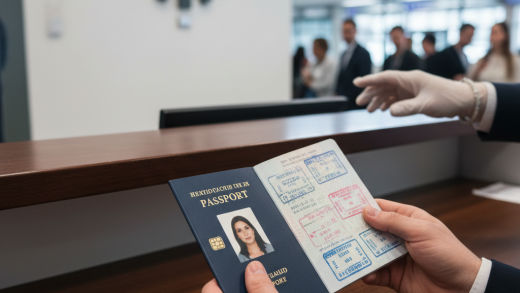
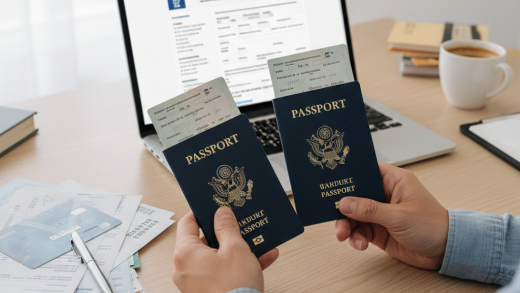
Yes, in almost every single case. When you hand your passport to a border control or immigration agent, you must remove it from the cover. The agent needs to examine the front and back of the document, scan the bio-data page, and physically inspect it for any signs of tampering. A cover that allows for quick and effortless removal will make this process smoother and less stressful.
Caring for Your Passport Cover
To ensure your cover lasts for many journeys, a little care goes a long way. For leather, use a proper leather cleaner and conditioner periodically to keep it supple. Faux leather and synthetic materials can typically be wiped clean with a damp cloth. Avoid overstuffing your cover, as this can stretch the material and put stress on the stitching, leading to premature wear.
Conclusion: An Investment in Secure and Stylish Travels
Choosing the best passport cover is about balancing protection, functionality, and personal style. It’s an investment not just in an accessory, but in the security and preservation of your most important travel document. By considering the material, prioritizing RFID-blocking technology, and selecting a design that fits your unique travel needs, you can find the perfect companion for your passport. With the right cover in hand, you can embark on your global adventures with confidence, knowing your key to the world is safe, organized, and secure.