This comprehensive guide will walk you through the process of thoroughly inspecting your passport, identifying potential problems, understanding the consequences, and taking preventative measures to protect your important travel document. A little proactive effort can save you from a lot of stress and potential travel nightmares.
Why is Passport Condition So Important?
Your passport’s condition is paramount because it is the primary document used to verify your identity and citizenship. Border control agents and airline staff scrutinize passports meticulously. A damaged passport can lead to denial of boarding, refusal of entry to a foreign country, or even detention. It’s crucial to understand that even seemingly small imperfections can cause issues.
Different countries have varying standards when assessing passport damage. What might be acceptable in one country could be a major problem in another. The best approach is to ensure your passport is in pristine condition to avoid any potential issues.
Common Types of Passport Damage
- Tears and Rips: Any tears, even small ones, in the passport pages, especially the data page, are problematic.
- Water Damage: Water damage can cause pages to stick together, blur the ink, or distort the images.
- Stains: Stains from food, ink, or other substances can obscure important information or be mistaken for tampering.
- Missing Pages: Any missing pages, including the data page, render the passport invalid.
- Damaged Binding: A loose or damaged binding can make pages fall out or make it difficult to scan the passport.
- Alterations or Modifications: Any alterations, even seemingly minor ones, like writing on the pages, can be viewed as an attempt at fraud.
- Damage to the Data Page: The data page, containing your photo and personal information, is the most critical part of your passport. Any damage to this page is extremely serious.
- Chip Malfunction: Modern passports contain an electronic chip. If this chip is damaged, the passport may not be readable by border control systems.
Step-by-Step Guide to Inspecting Your Passport
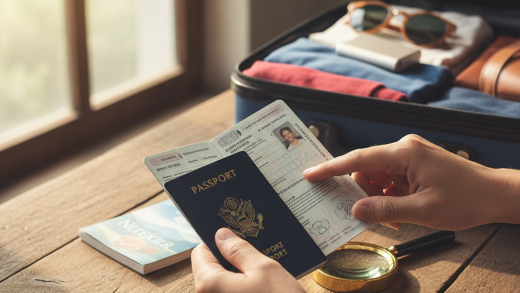
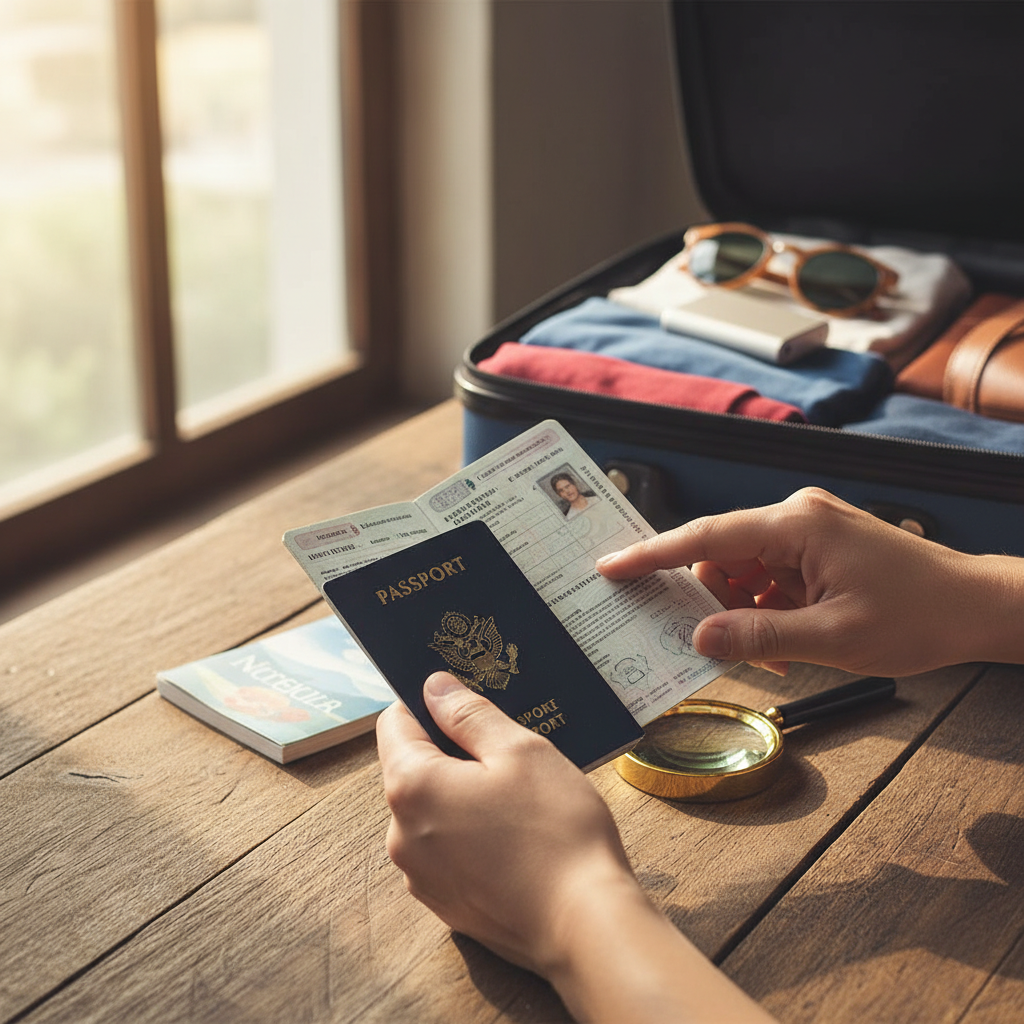
- Gather Your Supplies: You’ll need good lighting, a magnifying glass (optional, but helpful), and a clean, flat surface.
- Examine the Cover: Check for any tears, creases, or signs of wear and tear. Ensure the cover is securely attached to the passport.
- Inspect the Data Page: This is the most critical page. Carefully check for any tears, creases, water damage, or alterations. Verify that your photo is clear and that all information is legible. Ensure there are no bubbles or delamination of the plastic overlay.
- Check the Binding: Flip through all the pages, paying attention to the binding. Make sure the pages are securely attached and that the binding is not loose or damaged.
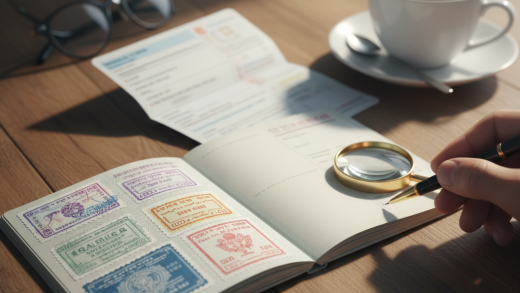
- Inspect Each Page: Look at each page individually for tears, stains, writing, or any other signs of damage. Use the magnifying glass to examine details closely.
- Check for Folds and Creases: While minor creases might be acceptable, significant folds can damage the passport and make it unreadable.
- Examine the Security Features: Modern passports have various security features, such as watermarks and holographic images. Ensure these features are intact and not damaged.
- Test the Chip (If Applicable): If you have a passport with an electronic chip, you can test it at a passport reader or at an airport kiosk to ensure it’s functioning correctly.
What to Do If You Find Damage
- Minor Damage: If the damage is very minor (e.g., a tiny crease), you might be able to travel. However, it’s best to err on the side of caution. Consider getting a new passport, especially if you’re traveling to a country with strict entry requirements.
- Moderate Damage: If the damage is more significant (e.g., a small tear or stain), it’s highly recommended to replace your passport. Contact your passport issuing agency to inquire about a replacement.
- Severe Damage: If the passport is severely damaged (e.g., missing pages, water damage, or alterations), you absolutely need to get a new passport. Attempting to travel with a severely damaged passport is very risky and will likely result in travel denial.
How to Replace a Damaged Passport
The processing time for a replacement passport can vary. Be sure to apply well in advance of your trip to avoid any last-minute issues.
Preventative Measures to Protect Your Passport
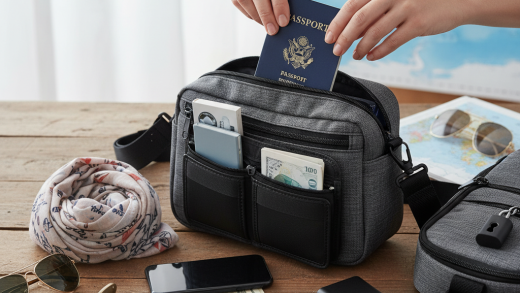
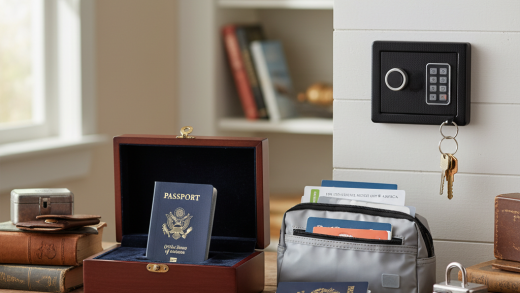
- Store Your Passport Safely: Keep your passport in a secure, dry place when not in use. Avoid storing it in direct sunlight or extreme temperatures.
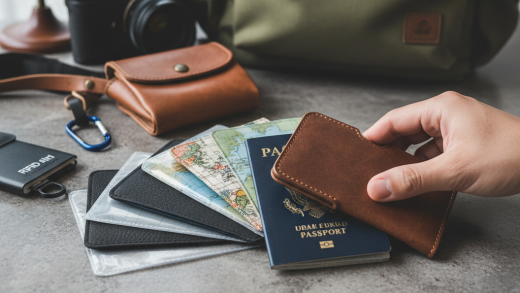
- Use a Passport Holder: A passport holder can protect your passport from wear and tear, spills, and other potential damage. Choose a holder that is durable and waterproof.
- Avoid Folding Your Passport: Don’t fold your passport, as this can damage the binding and pages.
- Keep it Away from Liquids: Protect your passport from water, spills, and other liquids. Water damage is a common cause of passport issues.
- Handle Your Passport with Care: Be gentle when handling your passport. Avoid bending, creasing, or tearing the pages.
- Keep it Separate from Other Items: Avoid storing your passport with sharp objects, such as keys or pens, that could scratch or damage it.
- Make Copies: Make copies of your passport data page and keep them separate from your passport. This can be helpful if your passport is lost or stolen. Store a digital copy securely, too.
Additional Tips for International Travel
- Check Visa Requirements: Ensure you have the necessary visas for all the countries you plan to visit.
- Make Travel Insurance: Purchase travel insurance that covers medical emergencies, trip cancellations, and lost or stolen belongings.
- Notify Your Bank: Inform your bank of your travel dates to avoid any issues with your credit or debit cards.
- Learn Basic Phrases: Learn a few basic phrases in the local language to make your travel experience smoother.
- Pack Smart: Pack light and choose versatile clothing items.
- Stay Informed: Stay up-to-date on any travel advisories or warnings for your destination.
Conclusion
Checking your passport for damage before a trip is a vital step in ensuring a smooth and enjoyable travel experience. By taking the time to inspect your passport, understanding the potential risks, and implementing preventative measures, you can avoid unnecessary stress and travel disruptions. A little vigilance can go a long way in safeguarding your travel plans and ensuring you can enjoy your international adventures without any passport-related worries. Prioritize this check, and travel with confidence!
Frequently Asked Questions
What happens if my passport is damaged at the airport?
The consequences depend on the severity of the damage and the policies of the country you’re entering or exiting. You may be denied boarding, refused entry, or even detained. In some cases, you might be allowed to travel after further scrutiny, but this is not guaranteed.
Can I use tape to fix a damaged passport page?
No, you should never use tape or any other adhesive to repair a damaged passport page. Any alterations to your passport, even seemingly minor ones, can make it invalid.
How long does it take to get a replacement passport?
The processing time for a replacement passport varies. Check with your passport issuing agency for the most up-to-date information. It’s best to apply well in advance of your trip.
Is it okay to laminate my passport?
No, laminating your passport can damage it and make it invalid. Passport pages are designed to be scanned and processed electronically, and lamination can interfere with this process.
What should I do if my passport is lost or stolen while traveling?
Report the loss or theft to the local police and your country’s embassy or consulate as soon as possible. They can help you obtain a replacement passport or travel document.