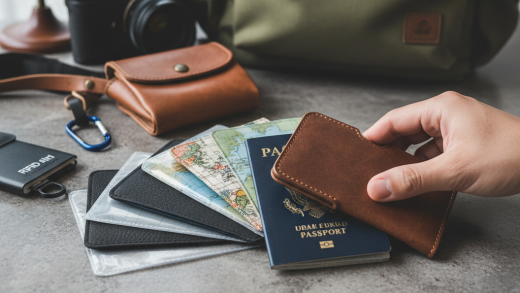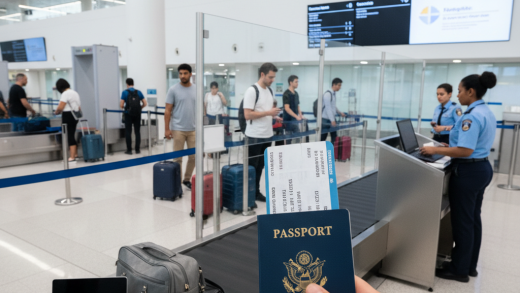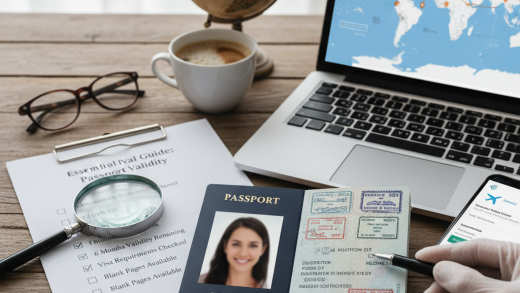
How Does Your Passport Come Into Play? Your passport is the key that unlocks the door to duty-free shopping. It serves as proof of your international travel and your eligibility for tax-free purchases. When making a duty-free purchase, you’ll be required to present your passport to verify your identity and your travel itinerary. This information helps the retailer confirm that you are indeed an eligible international traveler.
Where Can You Find Duty-Free Shops? Duty-free shops are commonly found in international airports, cruise terminals, and sometimes, at border crossings. These shops are specifically designed to cater to travelers, offering a curated selection of products that are often exempt from local taxes. You may also find duty-free stores in certain downtown areas, but these are less common and often have specific requirements for eligibility.
Step 1: Locate a Duty-Free Shop. Before you start shopping, identify the duty-free shops in your departure area. These are usually clearly marked within the airport or terminal.
Step 2: Browse and Select Your Items. Browse the selection and choose the items you wish to purchase. Pay attention to any purchase limits, as these can vary depending on the country and the type of goods.
Step 3: Present Your Passport and Boarding Pass. At the checkout, you will need to present your passport and your boarding pass. The retailer will use this information to verify your eligibility and record your purchase.
Step 4: Make Your Payment. You can typically pay using various methods, including credit cards, debit cards, and sometimes cash. Be aware of currency exchange rates if paying in a foreign currency.
Step 5: Collect Your Goods. Depending on the retailer and the goods, you may receive your purchases immediately. However, with some purchases, particularly large items or those with security restrictions (such as liquids), you might need to collect your items at a designated pick-up point near your departure gate. The retailer will inform you about the collection process.
Regulations and Restrictions: What You Need to Know While duty-free shopping offers great savings, it’s essential to be aware of the regulations and restrictions. These rules are in place to prevent abuse of the system and ensure compliance with international laws.
Purchase Limits: Most countries have limits on the quantity and value of goods you can purchase duty-free. These limits vary significantly, so it’s essential to research the regulations of your destination country and any countries you may be transiting through. Exceeding these limits can result in penalties, including confiscation of the goods and fines.
Product Restrictions: Certain items are often subject to strict restrictions, even within duty-free shops. These commonly include alcohol, tobacco, and some types of electronics. Understand the restrictions before making a purchase. Restrictions may also apply to items like perfumes and certain food products.
Liquids, Aerosols, and Gels (LAGs): Regulations regarding liquids, aerosols, and gels are particularly important. These items are often subject to strict limits when carried in your hand luggage. If you purchase LAGs in a duty-free shop, they must be sealed in a Security Tamper-Evident Bag (STEB). Keep the bag sealed until you reach your final destination.
Country-Specific Rules: Regulations for duty-free shopping can vary widely between countries. Research the specific rules of your departure country and your destination country. Information on these regulations is generally available on government websites or the websites of the relevant customs authorities.
Research Prices: Before you travel, research the prices of items you’re interested in purchasing. Compare these prices to those in your home country to ensure you’re getting a good deal. Websites and travel blogs often provide price comparisons.
Know Your Allowances: Be familiar with the duty-free allowances for your destination country and any countries you are transiting through. This will help you avoid exceeding the limits and facing penalties.
Compare Different Shops: If possible, compare prices at different duty-free shops within the airport or terminal. Prices can vary between retailers, so it pays to shop around.
Consider Currency Exchange Rates: Be aware of currency exchange rates when making your purchases. Pay attention to the exchange rates offered by the retailer, as they may not always be the most favorable.
Take Advantage of Promotions: Duty-free shops often run promotions and special offers. Look out for discounts, bundle deals, and loyalty programs to increase your savings.
Keep Receipts: Always keep your receipts. They are essential for any potential returns, exchanges, or verification by customs officials.
Packing and Transporting Your Purchases: Properly packing and transporting your duty-free purchases is crucial to avoid any issues at security or customs.
Hand Luggage vs. Checked Baggage: Understand the rules for carrying duty-free items in your hand luggage. Liquids, aerosols, and gels must be sealed in a Security Tamper-Evident Bag (STEB). Larger items or those exceeding the limits should be packed in your checked baggage.
Protect Fragile Items: If you’re purchasing fragile items, make sure they are well-packed to prevent damage during transit. Consider using the protective packaging provided by the retailer.
Declare if Necessary: If you exceed the duty-free allowances, you must declare your purchases to customs officials upon arrival at your destination. Failure to do so can result in penalties.
The Future of Duty-Free Shopping: Trends and Developments Duty-free shopping is constantly evolving, with new trends and developments shaping the landscape.
Online Duty-Free Shopping: Many airports now offer online duty-free shopping, allowing you to browse and pre-order items before your trip. This can save you time and ensure that your desired products are available.
Digitalization: Digital technologies are transforming the duty-free experience. Expect to see more mobile apps, digital receipts, and personalized shopping experiences.
Focus on Sustainability: Sustainability is becoming increasingly important. Duty-free retailers are focusing on eco-friendly packaging, sustainable products, and reducing their environmental impact.
Conclusion: Your Passport to Savings Using your passport for duty-free shopping is a fantastic way to save money while traveling internationally. By understanding the process, regulations, and tips outlined in this guide, you can confidently navigate the world of duty-free shopping and enjoy the benefits of tax-free purchases. So, the next time you’re jetting off on an adventure, remember to bring your passport and unlock the savings that await!
Final Thoughts: Duty-free shopping is an enjoyable aspect of international travel, and a well-informed traveler is a smart traveler. Happy travels and happy shopping!