A machine-readable passport (MRP) is a passport that contains a special zone on the data page that can be scanned by machines. This allows for faster and more efficient processing at border control checkpoints. Instead of manually entering your details, officials can simply scan the passport and retrieve the necessary information electronically. This significantly reduces processing times and enhances security.
The introduction of machine-readable passports marked a significant advancement in international travel. Prior to their widespread use, passport control was a much slower process, relying on manual data entry and verification. This led to longer queues, increased potential for human error, and less effective security measures. Machine-readable passports addressed these issues by automating a significant portion of the passport control process.
The primary benefit of a machine-readable passport is speed. By allowing automated data retrieval, MRPs drastically reduce the time it takes for border officials to process travelers. This is particularly advantageous in high-traffic airports and border crossings where efficiency is paramount.
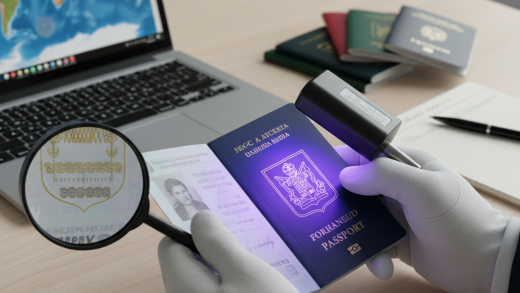
Furthermore, machine-readable passports enhance security. The standardized format and digital data storage make it more difficult for fraudulent activities, such as passport forgery. Sophisticated security features are embedded within the passport, making it tougher to replicate and ensuring the document’s authenticity.
Another critical advantage of machine-readable passports is that they help facilitate global interoperability. Standardized formats and data structures enable countries to share and exchange information more easily, which is crucial for international law enforcement and security cooperation.
Now, let’s explore how to determine if your passport is machine-readable. The process is straightforward, and you can easily check your passport at any time.
The most obvious indicator of a machine-readable passport is the presence of a special zone, often called the Machine Readable Zone (MRZ). This zone is located at the bottom of the data page (the page with your photograph and personal details). The MRZ consists of two or three lines of alphanumeric characters.
The MRZ typically includes the following information encoded in a specific format: your name, passport number, nationality, date of birth, passport expiration date, and other relevant details.
To identify the MRZ, examine the bottom of your passport’s data page. Look for two or three lines of characters that resemble a barcode, but are actually a series of letters and numbers.
If your passport has this MRZ, it is almost certainly machine-readable. Older passports might only have a partially machine-readable section, but most modern passports are fully machine-readable.
The characters within the MRZ are encoded in a specific format that computers can read. This standardized format allows border control systems worldwide to easily access and process your passport information.
The MRZ is formatted according to international standards set by the International Civil Aviation Organization (ICAO). This ensures that the data can be read by any compliant system globally.
Another way to verify your passport’s machine readability is by observing the scanning process at border control. When you present your passport, the official will often place it in a scanner. If the passport is machine-readable, the scanner will quickly read the MRZ and display your information on the officer’s screen.
- A microchip embedded within the passport.
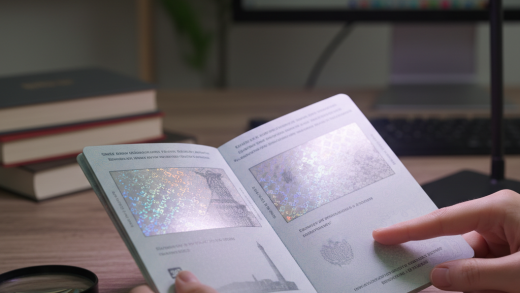
- Holographic images and watermarks on the data page.
- Special inks and printing techniques.
These features are designed to prevent counterfeiting and tampering, further enhancing the security of your passport.
If your passport is not machine-readable, or if the MRZ is damaged or unreadable, you may experience delays at border control. You could be subject to more thorough manual inspections, which can significantly lengthen the processing time.
In some cases, if your passport is not machine-readable, you might be denied entry to a country, especially if the destination country’s systems are heavily reliant on automated processing.
If you discover that your passport is not machine-readable, the best course of action is to apply for a new passport as soon as possible. Most countries issue machine-readable passports as standard, and replacing your old passport is a straightforward process.
The application process for a new passport typically involves completing an application form, providing proof of citizenship, submitting passport photos, and paying the required fees. Check the specific requirements of your country’s passport issuing agency.
When applying for a new passport, ensure that you provide accurate information and that your passport photo meets the required specifications. Incorrect information or an unsuitable photo can cause delays in the application process.
Once you receive your new passport, always check the MRZ to confirm that it is present and readable. This ensures that you can take full advantage of the efficiency and security benefits of a machine-readable passport.
Keeping your passport in good condition is vital to ensure that the MRZ remains readable. Avoid bending or damaging the passport, and store it in a protective sleeve or cover when not in use. Be careful of exposure to water or extreme temperatures.
If your passport is damaged, even if the MRZ appears intact, it’s advisable to replace it. A damaged passport can cause delays or even denial of entry at border control.
Traveling with a machine-readable passport streamlines the entry and exit process at international borders. You can generally expect faster processing times and reduced waiting periods, allowing you to begin your journey more efficiently.
Machine-readable passports are compatible with automated border control systems (e-gates) that are used at many airports and border crossings. These systems allow travelers to self-scan their passports and proceed through immigration without interacting with a border officer, further enhancing speed and convenience.
For those who frequently travel internationally, a machine-readable passport is a non-negotiable requirement. It is also essential for applying for visas and participating in programs like the Visa Waiver Program (VWP), which allows eligible citizens to travel to the United States for tourism or business for stays of up to 90 days without a visa.
In conclusion, understanding whether your passport is machine-readable is a fundamental aspect of international travel preparation. Checking for the MRZ is a simple process, and ensuring that your passport meets this requirement helps guarantee a smoother, more secure, and efficient journey. By following the guidelines provided in this article, you can confidently navigate the passport requirements and enjoy your travels with peace of mind.
Always keep your passport secure and up to date, and be sure to check the specific requirements of the countries you plan to visit before your trip.