Traveling abroad for tourism, business, or family visits often requires navigating a complex web of immigration laws. A short-term visa, commonly known as a visitor or tourist visa, grants travelers permission to enter a country for a limited duration without the intent of permanent residency or employment. Understanding the rules and regulations governing these visas is crucial to avoid application rejections, deportation, or future travel bans.
Understanding the Scope of Short-Term Visas
Short-term visas are generally designed for stays ranging from a few days up to 90 days within a 180-day period. The most famous example is the Schengen Visa in Europe, but similar principles apply to the US B1/B2 visas and UK Standard Visitor visas. The primary rule is that the holder must not engage in paid work locally and must leave the country before the visa expires.
Common Requirements and Documentation
While specific requirements vary by country, most immigration authorities demand a standard set of documents to prove your intent to return home. Before applying, ensure you have the following:
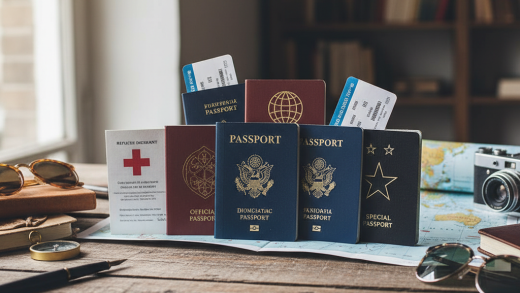
- Valid Passport: Must have at least six months of validity beyond your planned date of departure and two blank pages.
- Proof of Funds: Bank statements for the last 3-6 months showing sufficient balance to cover your expenses.
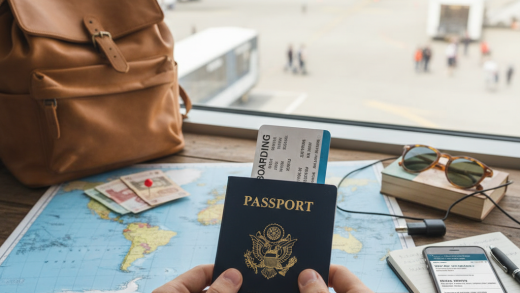
- Travel Itinerary: Flight reservations (round-trip) and accommodation proof (hotel bookings or invitation letters).
- Travel Insurance: Medical coverage that meets the minimum liability requirements of the destination country.
- Proof of Ties to Home Country: Employment letters, property deeds, or marriage certificates to demonstrate you have reasons to return.
Step 1: Determine the Correct Visa Category
The first regulatory step is identifying the specific purpose of your visit. Applying for the wrong category is a common reason for rejection. If you are attending a conference, you need a Business Visa. If you are visiting the Eiffel Tower, you need a Tourist Visa. If you are undergoing a medical procedure, a Medical Visa is required. Each category has specific permissible activities defined by immigration law.
Step 2: Calculate the Duration of Stay (The 90/180 Rule)
For many regions, particularly the Schengen Zone, the 90/180-day rule is the most critical regulation. This rule states that you can stay for a maximum of 90 days in any 180-day rolling period. It is not a calendar year calculation. You must count backward 180 days from each day of your stay to ensure you have not exceeded the 90-day limit. Overstaying by even one day is a violation of visa regulations and can lead to heavy fines or entry bans.
Step 3: Complete the Application and Pay Fees
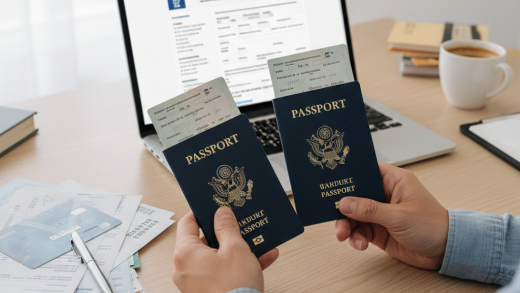
Most countries now utilize online portals for visa applications. When filling out the form, ensure that every detail matches your passport exactly. Inconsistencies in name spelling or birth dates are red flags. Once the form is complete, you must pay the non-refundable visa fee. Keep the receipt, as it is often a required document during the interview or submission process.
Step 4: Biometrics and The Consular Interview
Strict security regulations now require most applicants to provide biometric data (fingerprints and digital photographs). You will likely need to schedule an appointment at a customized Visa Application Center (VAC) or an embassy. During the interview, a consular officer will assess your credibility. Answer truthfully regarding your travel history and finances. The officer wants to verify that you are a genuine visitor who will respect the terms of entry.
Step 5: Compliance Upon Arrival
Receiving the visa sticker in your passport does not guarantee entry. Border control officers have the final authority. Upon arrival, keep copies of your return ticket, accommodation, and insurance handy. You may be asked to prove once again that you have the means to support yourself and that you will leave before your visa expires. Never attempt to work on a short-term visa, as this is a severe violation of immigration law.
Conclusion
Securing a short-term visa requires careful attention to detail and strict adherence to immigration regulations. By understanding the limitations of your visa type, respecting the duration of stay rules, and preparing thorough documentation, you can ensure a hassle-free travel experience. Always check the official government website of your destination country for the most current updates before you travel.