The first and most critical step when you realize your passport is missing is to report it immediately. Contact the local police to file a report about the lost or stolen document. This report serves two primary purposes: it provides an official record of the incident, and it protects you from potential misuse of your passport. It’s important to keep a copy of this police report, as you’ll need it later in the replacement process.
If you are abroad when your passport goes missing, you must also contact the nearest embassy or consulate of your home country. They can provide assistance, guide you through the process, and potentially issue an emergency travel document if necessary. The embassy or consulate will also report your passport as lost or stolen to prevent its fraudulent use.
Once you’ve reported the loss or theft to the police and, if applicable, your country’s embassy or consulate, it’s time to gather the necessary documentation for a replacement passport. This includes specific forms, proof of identity, and other supporting materials. Failure to provide the correct documentation can delay the process, so it’s essential to be meticulous.
You will typically need to complete a form for replacing a lost or stolen passport. This form can usually be found on your country’s official passport website or at the embassy or consulate. The form will require details about the circumstances of the passport’s loss or theft, along with your personal information.
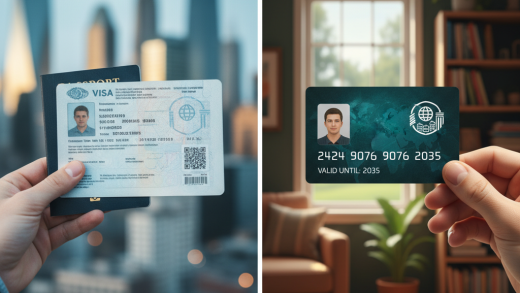
Proof of Identity: You’ll need to provide proof of your identity. This may include a copy of your driver’s license, birth certificate, or any other government-issued photo ID. The requirements can vary based on your country, so verify exactly what’s needed.
Proof of Citizenship: Alongside proof of identity, you’ll need to provide evidence of your citizenship. This often means providing your birth certificate or, if you’re a naturalized citizen, your naturalization certificate.
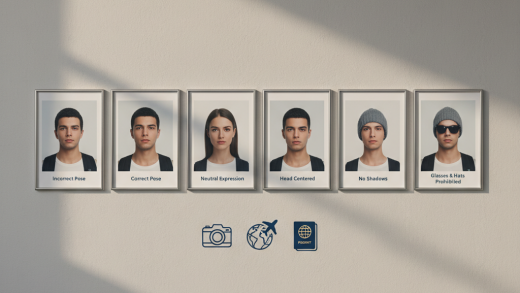
Passport Photo: You’ll need to submit a recent passport-sized photograph that meets the specific guidelines of your country. Ensure the photo is clear, of good quality, and meets the size and background requirements.
The fees for replacing a lost or stolen passport vary depending on your country and the type of passport you are applying for. Make sure you understand the associated costs and accepted payment methods before submitting your application. Typically, the fees are higher for replacements than for initial passport applications.
After gathering all required documents and completing the necessary forms, you will need to submit your application. This can often be done at a passport acceptance facility, a passport agency, or at the embassy or consulate if you are abroad. Follow the instructions provided by your country’s passport authority to ensure a smooth application process.
The processing time for a replacement passport varies. Expedited services are often available for an additional fee, enabling you to receive your passport more quickly. Regular processing times can range from a few weeks to several months, so consider your travel plans when choosing your application options.
While your replacement passport is being processed, there are a few things you can do to prepare for your future travel plans. This includes booking or rescheduling flights and accommodations, and informing any relevant travel partners.
Before you travel, it’s always wise to make copies of your passport and other important documents. Keep these copies separate from the originals, so you have readily available information if your passport is lost or stolen. Store a digital copy in a secure cloud service or email it to yourself for quick access.
If you are traveling soon, you might need an emergency travel document. This document allows you to return to your home country while you wait for your replacement passport. Contact your country’s embassy or consulate to inquire about the requirements and application process for an emergency travel document. This is particularly crucial if you are already abroad when your passport disappears.
Once you have your new passport, carefully check all the information to ensure it’s accurate. Report any errors to the passport issuing authority immediately to prevent any travel issues. Your passport is a critical document, so take precautions to secure it, especially when traveling.
To prevent passport loss or theft in the future, consider these preventive measures. Keep your passport in a secure location, like a hotel safe or a money belt. Be vigilant about your surroundings, especially in crowded areas where pickpockets may operate. Avoid taking your passport out unless necessary.
When traveling, make copies of your passport and store them separately. This can be a lifesaver if your original passport is lost or stolen. Another layer of security is to create a digital copy of your passport and store it securely online.
It is also important to register with your country’s embassy or consulate when traveling abroad. This allows the embassy to contact you and provide assistance in the event of an emergency, such as passport loss or theft.
Consider purchasing travel insurance that covers passport loss or theft. This insurance can help cover the costs of replacing your passport and any related expenses, such as delayed flights or accommodations.
Filing a police report is crucial for several reasons. It provides official documentation of the incident, which is necessary for the passport replacement process. It also helps to prevent the fraudulent use of your lost or stolen passport. The police report serves as proof that you have reported the loss and are not responsible for any misuse of the document.
When contacting your embassy or consulate, you can get advice about specific procedures relevant to your situation and country. They can also offer help with the replacement process, provide an emergency travel document, and inform you about any special considerations for your situation.
The requirements for a passport photo are very specific, and any deviation from those requirements can lead to delays or rejection of your application. Make sure to adhere to all photo requirements, including the size, background, and facial expression guidelines. You may need to visit a professional photo studio to ensure your photo meets the standards.
When applying for a replacement passport, you’ll need to pay the application fee. This fee covers the cost of processing your application and issuing the new passport. The amount of the fee can vary based on your country and the type of passport you are applying for. The fee is often higher for replacement passports, as they involve additional processing steps.
If you are traveling soon, you may need to apply for expedited processing. This will speed up the process of receiving your new passport, but it typically comes with an additional fee. Expedited processing times can vary, so it’s important to check the current processing times before selecting this option.
If you find your passport after reporting it lost or stolen, it is important to contact the passport authorities immediately. Using a passport that has been reported as lost or stolen can lead to serious consequences, including arrest and legal trouble. Always follow the guidelines provided by the passport authorities in these situations.
When traveling, it’s important to be aware of the potential risks to your passport and take precautions to protect it. Avoid leaving your passport unattended, and be aware of your surroundings to prevent theft. If you are in a crowded area, keep your passport secure, perhaps in a money belt or a secure pocket.
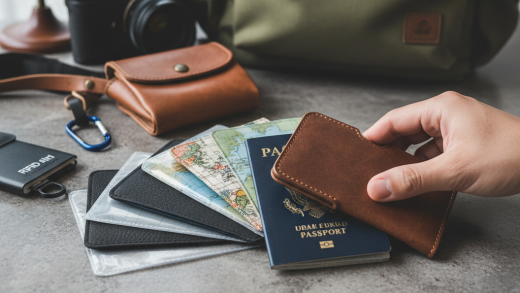
Consider the use of a passport holder or wallet to protect your passport from damage. This will help to prevent your passport from bending or tearing, which could make it invalid. Select a passport holder made from durable materials that can protect your passport from the elements.
Keep your passport separate from your money and credit cards. This way, if your wallet is stolen, your passport will be protected. Keep your passport in a secure location, such as a hotel safe, and only carry it with you when necessary.
If you are traveling with children, be sure to keep their passports secure as well. Teach them to be responsible for their passports and to keep them safe. Make sure you know where their passports are at all times, especially when traveling.
Review your country’s travel advisories before you leave. This will provide you with information about the safety and security risks of your destination. By staying informed about the risks, you can take precautions to protect your passport and yourself while traveling.
If you are a dual citizen, it’s important to know the passport requirements of both countries. You may need to have multiple passports, one for each country. Be sure to follow the requirements of each country to avoid any travel issues.
Understand the validity of your passport. Passports have expiration dates, and you cannot travel internationally with an expired passport. Always check your passport’s expiration date before you travel, and renew it in advance if necessary.
Always carry a copy of your passport with you, separate from your passport itself. That copy could be important if your passport is lost or stolen. Make sure the copy is easy to access, whether it’s a physical copy or a digital one saved on your phone or in the cloud.
In the unfortunate event of a lost or stolen passport, following these steps can help you replace it as quickly as possible, ensuring minimal disruption to your travel plans. Remember to act quickly, report the loss, gather the necessary documentation, and follow the instructions provided by your passport authority.