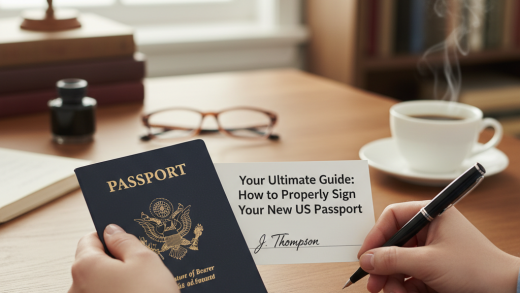
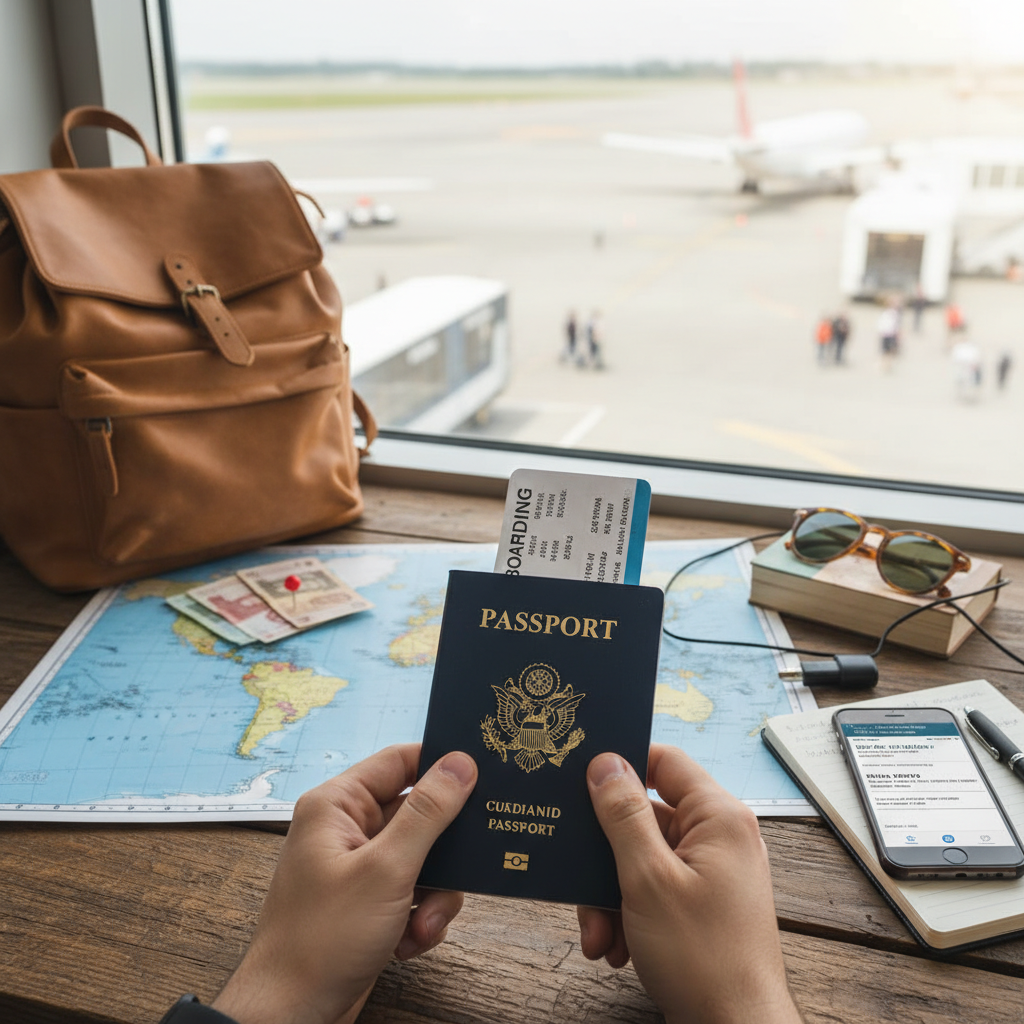
The foundation of any successful trip begins with a valid passport. Before you book flights or make hotel reservations, the very first step is to verify your passport’s expiration date. Many countries require your passport to be valid for at least six months beyond your intended stay. This is a crucial rule to adhere to, as failing to meet this requirement can result in denied entry, even if you have a valid visa.
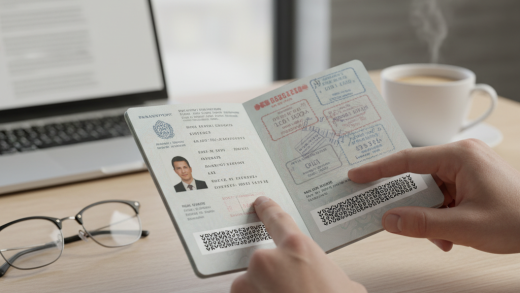
How to Check Your Passport’s Validity: Check the expiration date printed on the passport itself. It’s usually located on the data page, along with your personal information and photo. Make a note of the date and calculate six months beyond it. If your passport expires within this timeframe, you will need to renew it before you travel.
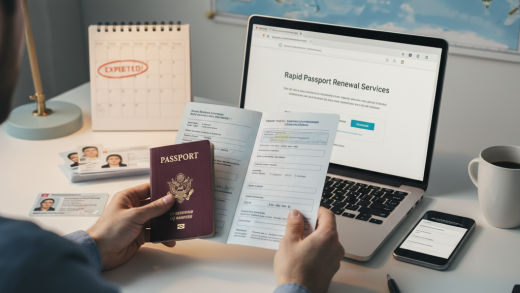
Passport Renewal Process: Renewing your passport is generally a straightforward process. You can typically do this by mail if your passport meets certain criteria, such as being undamaged and issued within the last 15 years. Otherwise, you’ll likely need to apply in person at a passport acceptance facility or a regional passport agency.
The U.S. Department of State provides detailed instructions and application forms on its official website. Familiarize yourself with the requirements and gather the necessary documents, including your old passport, a passport photo, and proof of identity.
Visas and Passport Pages: Beyond validity, consider the number of blank pages in your passport. Some countries require a certain number of blank pages for entry and exit stamps. If your passport is running low on pages, you may need to obtain additional pages or a new passport altogether.
Passport Photos: Your passport photo is another critical element. It needs to meet specific criteria, including size, background, and facial expression. The U.S. Department of State provides detailed guidelines on acceptable passport photos. Ensure your photo complies to avoid delays in processing your passport or visa applications.
Safeguarding Your Passport: A lost or stolen passport can be a major headache. Before you even leave for your trip, make copies of your passport’s data page. Keep one copy separate from your passport, perhaps with a trusted friend or family member, and store another copy digitally, such as in a secure cloud storage account.
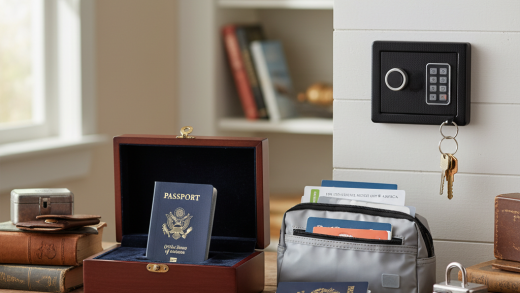
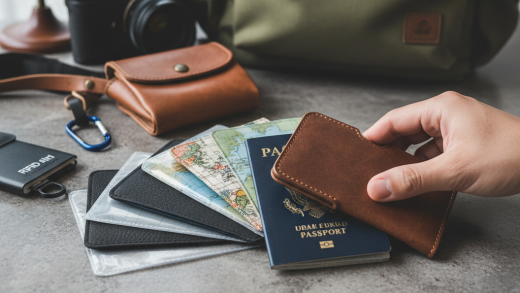
Passport Storage During Travel: When traveling, take precautions to protect your passport from theft or loss. Consider carrying it in a secure money belt or a hidden pocket. Avoid leaving your passport unattended in your hotel room or other unsecured locations. Always be aware of your surroundings and keep a close eye on your documents.
Emergency Contacts and Information: Create a list of emergency contacts, including the phone number of your embassy or consulate in the country you’re visiting. Also, include information about your travel insurance, your flight details, and any pre-existing medical conditions or allergies.
Reporting a Lost or Stolen Passport: If your passport is lost or stolen while traveling, report it immediately to the local police and to the nearest embassy or consulate. They can assist you with obtaining a replacement passport or a temporary travel document, enabling you to return home.
Travel Advisory Information: Before your trip, check the travel advisories issued by your government. These advisories provide information about safety, security, and health risks in specific countries. Staying informed can help you make informed decisions about your travel plans and take necessary precautions.
Vaccinations and Health Requirements: Research the vaccination and health requirements for your destination. Some countries require proof of vaccination against specific diseases, or you may need to take preventative medications. Consult your doctor or a travel clinic for guidance on health precautions.
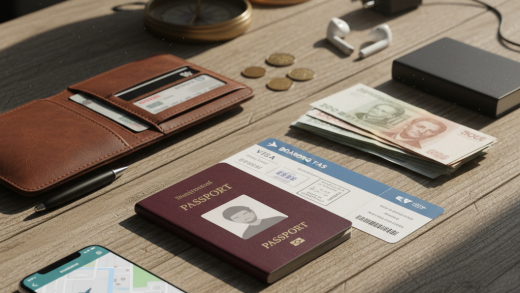
Packing Essentials: Pack your passport, copies of your passport, visa (if required), and other important documents in your carry-on luggage. This ensures you have access to them immediately upon arrival. Also, consider carrying a small emergency kit with essential items like medication, contact information, and a copy of your travel insurance policy.
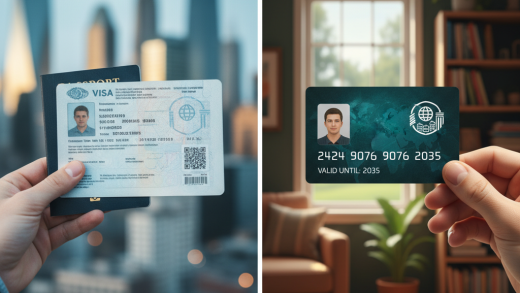
Visa Requirements: Determine if you need a visa to enter your destination country. Visa requirements vary depending on your nationality and the length and purpose of your stay. Apply for your visa well in advance of your trip, as processing times can vary.
International Driving Permit: If you plan to drive in a foreign country, you may need an International Driving Permit (IDP). Check the requirements for your destination and obtain an IDP from your local automobile association.
Currency Exchange and Financial Planning: Before your trip, research the local currency and exchange rates. Inform your bank and credit card companies about your travel plans to avoid any issues with your cards being blocked due to suspicious activity. Carry a mix of cash and credit/debit cards, and consider notifying your bank of your travel plans.
Mobile Phone and Data: Ensure your mobile phone is unlocked and compatible with the local network in your destination. Consider purchasing a local SIM card or activating an international roaming plan to stay connected. Download any necessary travel apps, such as translation tools, currency converters, and maps.
Travel Insurance: Purchase travel insurance to protect yourself against unexpected events, such as medical emergencies, trip cancellations, or lost luggage. Review the terms of your policy to understand what is covered and what is not.
Preparing for Customs and Immigration: Before arriving at your destination, familiarize yourself with the customs and immigration procedures. Fill out any required forms accurately and honestly. Have your passport, visa, and any other necessary documents readily available.
Staying Connected: In today’s world, staying connected is often crucial. Research the availability of Wi-Fi in your accommodation and public areas. Consider using a virtual private network (VPN) to secure your internet connection, especially when using public Wi-Fi.
Packing Strategy: Pack efficiently, considering the climate and activities planned. Make a packing list and stick to it to avoid overpacking. Ensure your luggage meets the size and weight restrictions of your airline.
Document Security: Utilize digital copies of important documents. Scan and save copies of your passport, driver’s license, insurance information, and any other essential papers. Store these copies securely in a cloud-based service like Google Drive or Dropbox.
Travel Itinerary: Create a detailed travel itinerary, including flight times, hotel reservations, and planned activities. Share this itinerary with a friend or family member so they know your whereabouts and can assist you in case of an emergency.
Learning Basic Phrases: Learn a few basic phrases in the local language of your destination. This can enhance your interactions with locals and make your travel experience more enjoyable.
Cultural Sensitivity: Research the local customs and etiquette of your destination. Be respectful of local traditions and practices to avoid any cultural misunderstandings.
Food Safety: Exercise caution when eating and drinking in unfamiliar places. Stick to reputable restaurants and vendors, and avoid tap water unless it is safe to drink.
Health and Hygiene: Maintain good hygiene by washing your hands frequently and carrying hand sanitizer. Take necessary precautions to avoid mosquito bites, such as using insect repellent.
Staying Informed During Your Trip: Stay updated on local news and events through reliable sources. Be aware of any potential safety concerns or disruptions in your travel plans.
After Your Trip: Once you return home, take some time to review your travel experiences. Make notes about what went well and what could be improved for future trips. This will help you refine your travel preparation process and make your next journey even better.
Conclusion: Preparing your passport and all other required documents may seem daunting, but by following this comprehensive guide and checklist, you can travel with confidence and peace of mind. Taking these essential steps ensures a smooth journey and lets you focus on enjoying your trip. Bon voyage!