
Beyond the Tactical Edge: How Micro-Connectors Are Powering the Industrial Internet and Modern Warfare
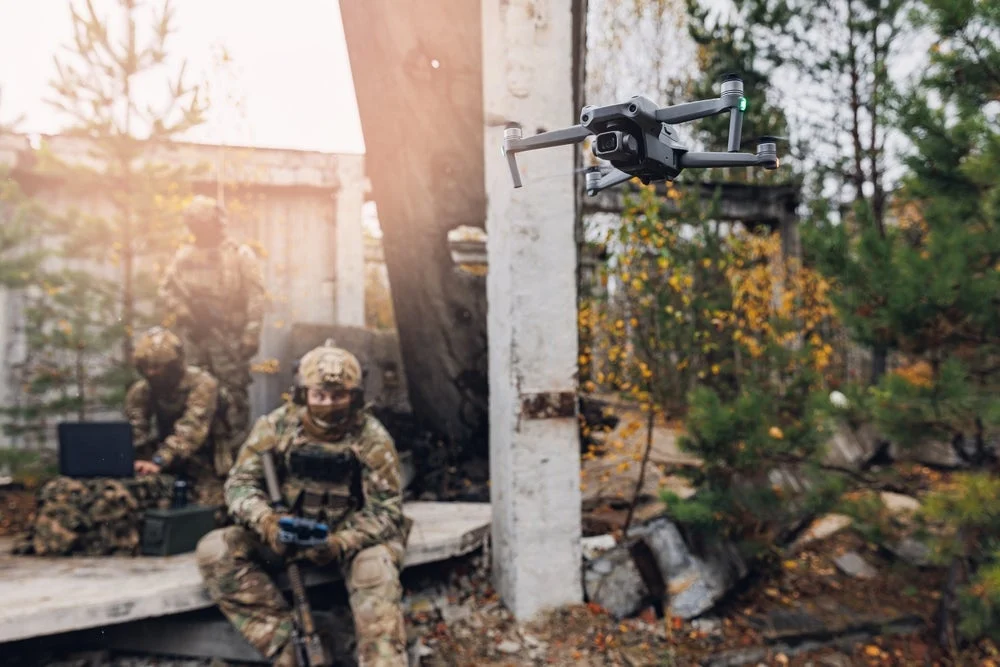
The rapid evolution of modern technology is fundamentally reshaping two of the world’s most critical, high-stakes sectors: heavy industry and modern warfare. Multi-billion-dollar markets are currently experiencing a seismic shift driven by the convergence of the Internet of Things (IoT), intelligent automation, 5G connectivity, and advanced artificial intelligence. While headline-grabbing innovations like autonomous combat drones, AI-driven logistics, and mega-constellations of low-Earth-orbit satellites dominate public discourse, a quieter revolution is taking place beneath the surface. At the core of these advanced, data-intensive systems lie micro-components—specifically, ruggedized cables and advanced connector technology operating at the tactical edge.
To explore the immense opportunities and complex obstacles presented by these critical electronic pathways, US-based Omnetics Connector Corporation has released a comprehensive new digital supplement. Supported by market-leading intelligence from UK-based research firm GlobalData, the report sheds light on the microscopic engineering feats that make macro-scale technological advancements possible across land, sea, air, and space.
Industry 4.0 and the Rise of the Industrial Internet
Industry 4.0 is sweeping across the global manufacturing and industrial landscape at a relentless pace. The seamless integration of the Internet of Things and intelligent automation is accelerating a definitive transition toward highly adaptive, data-driven production and operational environments. In this emerging paradigm, maintaining continuous, reliable communication links between machinery, complex software systems, physical equipment, and the human operators managing them has never been more critical.
Comprehensive analysis from GlobalData defines the industrial internet as a vast ecosystem of interconnected software applications, advanced sensors, and intelligent devices. This ecosystem is engineered to empower real-time, data-driven decision-making across a wide range of vital sectors, including manufacturing, global logistics, energy production, aerospace, and defense.
Market valuations underscore the massive scale of this transformation. GlobalData projects that the industrial internet market will achieve a robust compound annual growth rate (CAGR) of 16.3% between 2024 and 2029. By the end of this forecast period, market analysts anticipate the sector will reach an astonishing valuation of $553 billion, reflecting the heavy capital investments industries are making to digitize their operations and enhance operational efficiency.
From Earth to Orbit, Demand for Data-Sharing Capability Is on the Rise
While heavy industry digitizes its factories and supply chains, the defense sector is experiencing an even more dramatic and immediate transformation on the battlefield. Modern military engagements demonstrate in real-time how digital technologies have redefined tactical advantage. Today, battlefield superiority is largely determined by unrestricted access to unmanned military systems, such as reconnaissance and combat drones, alongside the sheer speed and quality of intelligence being distributed from active front lines back to command-and-control rooms, and vice versa.
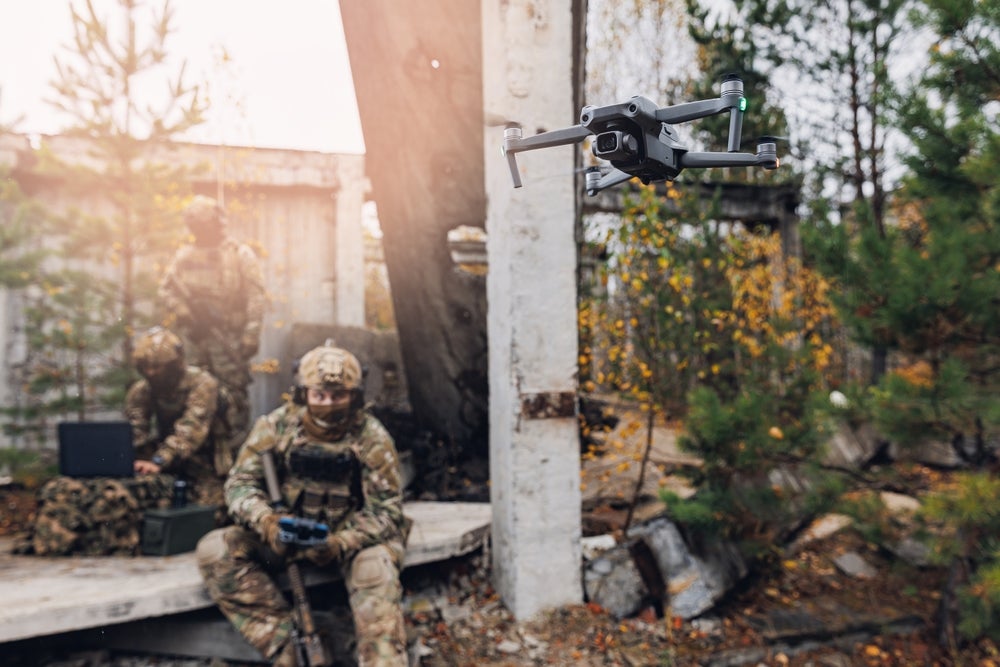
Sensors are no longer isolated components bolted onto heavy military hardware; they are increasingly embedded directly into weapon systems, vehicles, and even wearable, body-borne architectures designed to maximize situational awareness for individual personnel. In this hyper-connected operational theater, an individual soldier is effectively transformed into an active node within a broader, intelligent military ecosystem. Every heartbeat, location ping, and tactical observation feeds into a continuous stream of actionable data.
Simultaneously, space-based internet connectivity is expanding at an unprecedented rate, facilitating lunar exploration and deeper space missions while simultaneously establishing a robust smart architecture for terrestrial industries. Agriculture, mining, energy grids, telecommunications, and global logistics are all leveraging this orbital connectivity to optimize operations on Earth.
The cycle of innovation spanning the entire industrial internet value chain—alongside complementary technologies such as agentic AI—is currently operating at maximum velocity. We are living through a uniquely dynamic period characterized by constant technological breakthroughs. However, relatively little attention is paid to the complex micro-electronics housed within these sophisticated systems.
As sensors deployed in punishing environments—ranging from deep space and high-altitude drones to down-hole oil and gas drilling tools—shrink in size while simultaneously facing vastly increased performance demands, the engineering challenges multiply. This trend has profound implications for the specialized connectors and cable assemblies tasked with reliably carrying power, critical control signals, and high-speed data streams within increasingly compact, ruggedized packages.
In many respects, breakthroughs in these foundational micro-components, as well as the manufacturing processes behind them, serve as the invisible backbone that enables sweeping innovations at the user-facing end of the spectrum. Recognizing the need to examine this foundational layer of modern engineering, Omnetics Connector Corporation has partnered with GlobalData to produce its new digital publication.
Omnetics’ New Report: Building Electronic Systems for a Smart Future
Titled Building Electronic Systems for a Smart Future, the newly published digital supplement delves deeply into the pivotal structural shifts currently taking place across heavy industry and defense. The report examines what these rising capability demands mean for the physical interconnects mounted on the circuit boards that ultimately dictate system performance. Furthermore, it offers practical guidance on how design engineers can collaborate closely with connector technology manufacturers to achieve optimal outcomes and maximum reliability in the field.

Travis Neumann, Special Projects Manager at Omnetics Connector Corporation and one of the primary authors of the new supplement, emphasizes the magnitude of the engineering challenge. Having spent more than three decades at the forefront of conductor design and manufacturing, Neumann notes that the company has never witnessed a period of such profound transformation, nor such staggering breadth and depth of demand for high-speed connectivity and data throughput.
Neumann also highlights the transformative impact of modern manufacturing techniques, such as 3D-printed prototyping, which dramatically shorten time-to-market cycles for new hardware. In the rapidly expanding space economy, entire rocket engines and complex satellite components are now routinely 3D-printed. This advanced manufacturing approach significantly reduces overall part counts while enabling intricate, customized geometries that were previously considered impossible to fabricate using traditional machining methods.
For connector manufacturers, these sweeping changes translate into vastly compressed development cycles and the absolute necessity of integrating seamlessly with digitally designed systems. For instance, ensuring that accurate connector CAD models are fully incorporated into digital twin simulations is essential for predicting and verifying connectivity performance before physical hardware is ever built.
As industries and defense organizations push the boundaries of what is possible with IoT, 5G, and autonomous systems, the demand for resilient, miniaturized tactical-edge connectivity will only continue to accelerate. The insights compiled in Omnetics’ new report offer a timely look into the microscopic components holding the future of smart infrastructure together.
| Source | : | Open Passport |
| Author | : | Jia Lissa |
| Editor | : | Open Passport Editorial Team |
