
Navigating CrossFit While Traveling: A Practical Framework for Affiliates, Drop-Ins, and Transit Days
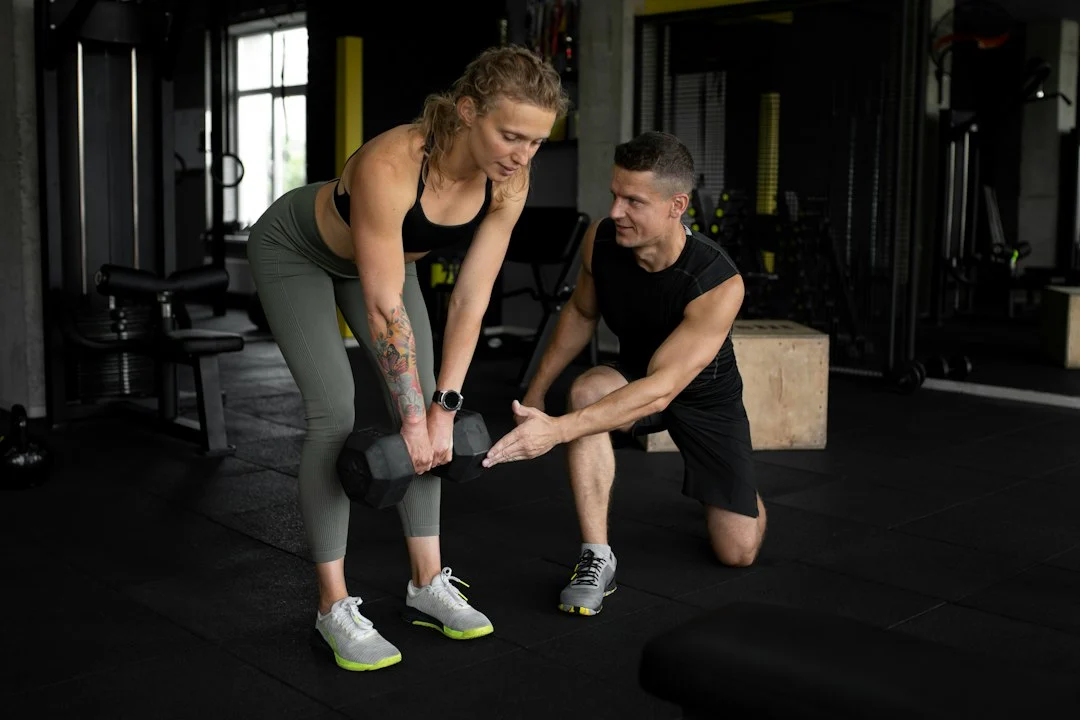
Maintaining a fitness regimen while traveling presents a familiar logistical challenge for CrossFit athletes who must balance the desire for structured community workouts with the realities of transit days, unfamiliar cities, and variable gym policies. Experienced travelers know that a successful fitness routine on the road relies on separating two distinct needs: attending coached affiliate sessions for unfamiliar or technical work, and utilizing simple, low-risk alternatives during transit days. Rather than attempting a heroic workout in every city on an itinerary, athletes find greater success through a repeatable process to locate a legitimate affiliate, accurately disclose experience levels, and confirm pricing and scaling options tailored to specific travel conditions.
This overview relies on desk research, combining official resources with snapshot data, rather than serving as a firsthand gym review or medical advice. Affiliate examples and pricing structures reflect verified checks conducted in November 2026. Because schedules, coach availability, and fee structures are subject to change, visiting athletes are consistently advised to contact prospective gyms directly before arriving for a session.
Quick Decision Guide
Navigating the logistics of training abroad depends heavily on the duration of the stay and the athlete’s familiarity with the sport. For a brief stopover lasting one or two days, a single affiliate drop-in is typically the most practical option, provided the athlete verifies class space, meets any experience prerequisites, and completes the necessary waiver. Longer stays spanning one to three weeks make weekly passes or multi-class packs more economically viable, though travelers must carefully review expiration dates, included classes, and cancellation terms. For stays lasting a month or longer, securing a short-term membership offers stability, provided the contract length and pause or cancellation rules align with travel plans.
On transit days or in regions lacking a nearby affiliate, a conservative bodyweight or walking session serves as a reliable alternative, contingent upon a safe surface, adequate space, and the athlete’s current physical condition. Meanwhile, individuals who are new to CrossFit must seek out fundamentals, beginner, or general fitness classes rather than assuming that an open gym or experienced-athlete drop-in session will accommodate novices.
Methodology and Source Date
Research for this framework utilizes official CrossFit affiliate resources alongside travel-workout guidance, supplemented by the official web portals of example affiliates operating in regions such as Chiang Mai and Lisbon. This approach avoids subjective gym scoring, customer review aggregation, or sweeping claims regarding the universal suitability of any single affiliate.
Pricing details are presented in the local currency published by the respective gym, serving as illustrative snapshots rather than citywide averages. Because CrossFit affiliates operate as independent businesses, the booking rules and policies of one gym do not establish a global standard, reinforcing the necessity of individual verification.
Finding an Active Affiliate
Locating a legitimate training facility begins with the official CrossFit affiliate map, accessible via the official contact and resource pages. This directory serves as a more reliable initial filter than outdated online directories, given that affiliate status and branding frequently shift. Once a potential gym is identified, athletes should cross-reference the listing with the facility’s independent website and current class schedule.
Relying exclusively on social media posts to verify current fee structures or operating hours can lead to scheduling missteps. While online platforms help confirm that a facility is active, official booking and pricing pages must govern the final visit and purchase decisions.
Contacting the Box Before a Drop-In
Initiating contact with a box ahead of time prevents wasted trips and ensures smooth integration into class dynamics. A concise message should outline travel dates, overall CrossFit experience, comfort levels with Olympic lifting movements, and any existing pain, injuries, or limitations the athlete intends to discuss with the coach. Additionally, visitors should inquire whether the class is coached in a language they fully understand and whether advance booking is mandatory.
An effective inquiry is straightforward, noting the intended dates of stay, the duration of prior training, and any current modifications, such as avoiding overhead loading. Athletes should avoid transmitting sensitive medical records through informal messaging channels, choosing instead to share only practical limitations necessary for class planning and following up with a private conversation with the coach upon arrival.
Experience Prerequisites and On-Ramp Rules
The designation "scalable" does not imply that every group class is universally open to any visitor without preparation. Affiliates frequently enforce prerequisites requiring prior CrossFit experience for standard group classes or specialized Olympic-lifting sessions, while simultaneously offering fundamentals, bootcamp, or general fitness options for beginners.
For instance, CFCNX in Chiang Mai explicitly mandates prior experience for CrossFit and Olympic-lifting drop-ins, illustrating the exact type of policy travelers must verify before committing funds. Beginners should inquire about appropriate introductory pathways rather than overstating their experience level. Furthermore, responsible visiting athletes accept that a coach may alter loads, ranges of motion, movement variations, repetitions, or time domains, particularly when observing an unfamiliar athlete for the first time.
Drop-In Etiquette and Community Realities
While community integration remains a core appeal of the CrossFit ecosystem, paying a drop-in fee does not automatically guarantee a highly social event or instruction delivered in English. Travelers should view these elements as preferences to be confirmed rather than guaranteed assumptions. Respecting local class protocols, arriving early to settle administrative requirements, and cleaning equipment thoroughly contribute to a positive experience for both the visitor and the host community.
Scaling for Travel Conditions
Environmental stressors such as overnight flights, extreme heat, dehydration, and unfamiliar equipment frequently alter what constitutes a sensible workout upon arrival. Because no universal percentage exists for reducing intensity, athletes must utilize the warm-up period and initial conversations with the coach to determine whether to lower loads, shorten session durations, or substitute movements entirely.
Training through warning signs such as chest pain, dizziness, or acute injury symptoms is strongly discouraged in favor of seeking medical evaluation. Furthermore, individuals initiating new exercise routines or returning from extended layoffs should secure professional guidance suited to their specific health circumstances. A first session in a new city serves as an ideal opportunity to familiarize oneself with the facility, equipment layout, and coaching cues rather than chasing personal records.
Price Examples Checked November 2026
Affiliate pricing varies significantly by geographic region and length of stay. In Chiang Mai, the official short-term pricing page for CFCNX lists single classes starting at 300 Thai baht, with weekly passes available from 2,200 Thai baht. Visitors must verify class types, current rates, and experience requirements on the booking portal prior to submitting payment, keeping in mind that exchange rates fluctuate daily.
In Lisbon, XXI CrossFit lists a 20-euro drop-in rate for the current season, alongside multi-class packs including three classes for 50 euros, five classes for 80 euros, and ten classes for 150 euros, subject to expiration terms. Nearby Caravelas also publishes a 20-euro drop-in rate. Identical drop-in fees do not render these facilities interchangeable, as location, scheduling availability, and class eligibility continue to dictate the best fit for an individual traveler. Length of stay ultimately alters the financial calculation, making class packs advantageous only when athletes can utilize the full allotment before departure.
Keeping Programming Coherent Across Cities
Switching affiliates on a weekly basis can introduce erratic volume and repetitive movement patterns. Maintaining a straightforward training log that records session types, primary movements, and scaling modifications helps preserve continuity. Prior to joining a local workout, athletes should evaluate recent training history and inform the coach if accumulated fatigue or conflicting sessions require consideration.
When managing longer stays, following the host affiliate’s programming typically simplifies coaching dynamics, whereas short visits require thoughtful integration with recent training blocks. Open gym sessions should not be treated as unsupervised opportunities to test unfamiliar technical lifts; athletes must always verify whether independent programming is permitted and what level of supervision is available.
Travel Workouts and Minimal Equipment
Official CrossFit travel-workout guidelines emphasize no-equipment and limited-equipment modalities while encouraging travelers to engage with local affiliates and adhere to drop-in etiquette. Structures featuring short intervals, time-capped circuits, or structured walking maintain conditioning habits without forcing high-intensity training into unsuitable environments. Selecting familiar movements, utilizing stable surfaces, and ensuring adequate spatial clearance are essential, as hotel rooms and shared apartments are poorly suited for dynamic movements like jumping, dropped equipment, or late-night noise. While skipping ropes and resistance bands add versatility, portable gear cannot replace professional coaching for complex movements.
When CrossFit Is Not the Right Choice
CrossFit may prove impractical during certain travel weeks, particularly when schedules are overwhelmingly busy, recovery is compromised by severe sleep deficits, or access to a legitimate affiliate is entirely absent. In such instances, alternative modalities such as walking, light running, swimming, yoga, general gym sessions, or complete rest represent valid choices rather than a failure to maintain consistency. Sustainable fitness routines routinely incorporate periods of lower volume or strategic rest to support long-term health and physical well-being.
| Source | : | Open Passport |
| Author | : | Rifan Muazin |
| Editor | : | Open Passport Editorial Team |
