
Finding the Ideal Window for Remote Work in Albania Requires Balancing Seasonal Infrastructure and Lifestyle Goals

For digital nomads and remote workers setting their sights on the Balkans, timing a month-long stay in Albania requires careful navigation between Mediterranean climate patterns and seasonal shifts in infrastructure. According to recent seasonal analysis and national tourism data, May, June, September, and early October offer the most stable balance for remote professionals. These months provide workable weather conditions, broader coastal hospitality services than the winter months, and avoid the intense peak-season pressure that defines July and August.
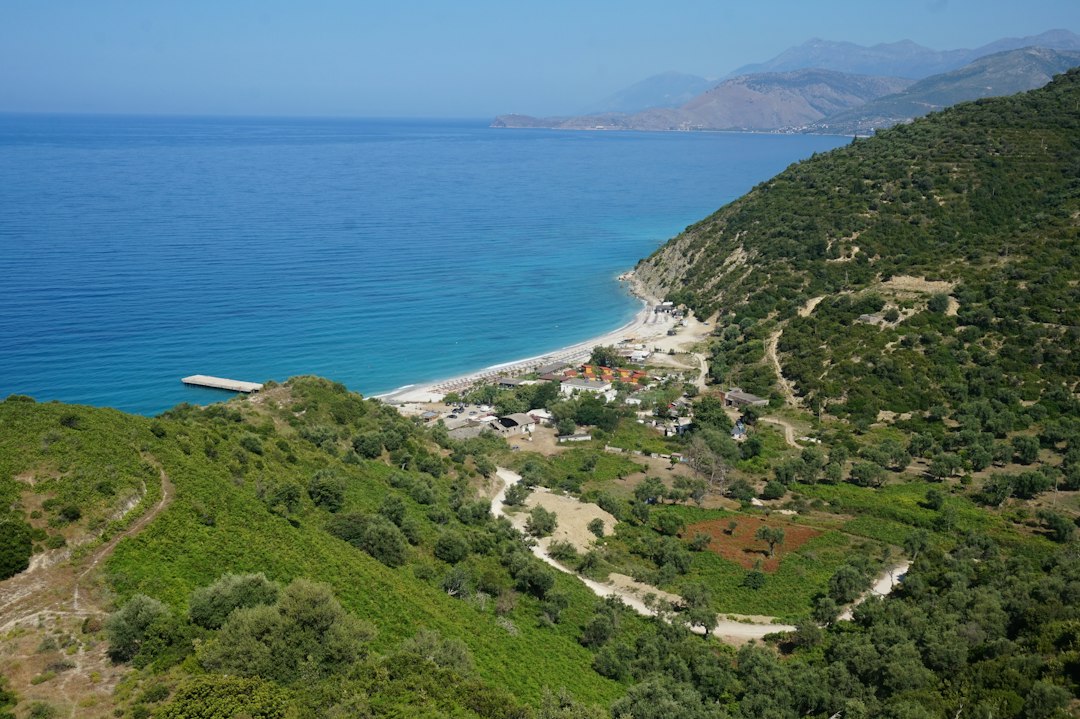
While the capital city of Tirana remains a dependable base throughout the entire year, coastal hubs such as Sarandë, Vlorë, and smaller beachside towns demand a much more deliberate seasonal check. Remote workers cannot approach a month-long destination stay with the same casual flexibility as a short holiday. While a leisure traveler might easily overlook a closed restaurant, a week of rain, or a noisy beachfront accommodation, a digital worker relies heavily on dependable internet speed, adequate desk space, stable utilities, comfortable indoor climate control, reliable local transport, and a quiet environment suited for professional calls.
The country’s seasonal rhythm heavily dictates these operational needs. According to reports from Albania’s National Tourism Agency and statistical data from INSTAT, the nation experiences a distinct Mediterranean weather pattern characterized by mild-to-cold winters—particularly along the coastline—alongside hot summers and a more relaxed pace during the shoulder seasons of spring and autumn. Furthermore, INSTAT accommodation figures illustrate that tourism demand is heavily concentrated rather than evenly distributed throughout the year, meaning local business operations, rental markets, and public transport schedules shift dramatically depending on the month.

The winter months of January and February are best approached by establishing a city-first base in Tirana, potentially utilizing historic locations like Berat or Gjirokastër for shorter side trips. While the coastline becomes remarkably quiet during this period, that tranquility often translates into drastically reduced local services rather than effortless financial value. Remote workers considering a winter stay are advised to verify whether prospective apartments feature effective heating and whether essential neighborhood amenities—such as local restaurants, fitness facilities, and bus schedules—operate on a standard winter timetable.
Official tourism indicators highlight this seasonal drop in activity. For instance, national hotel-room occupancy data recorded by INSTAT reached a modest 16.7 percent in February, a stark contrast to the high utilization rates seen during the summer months. This disparity underscores why winter supply chains and operational norms differ so vastly from August. Consequently, the winter months are well-suited for focused professional tasks, museum exploration, and urban routines, but represent a poor fit for anyone anticipating a beach-centric lifestyle or a bustling hospitality scene.
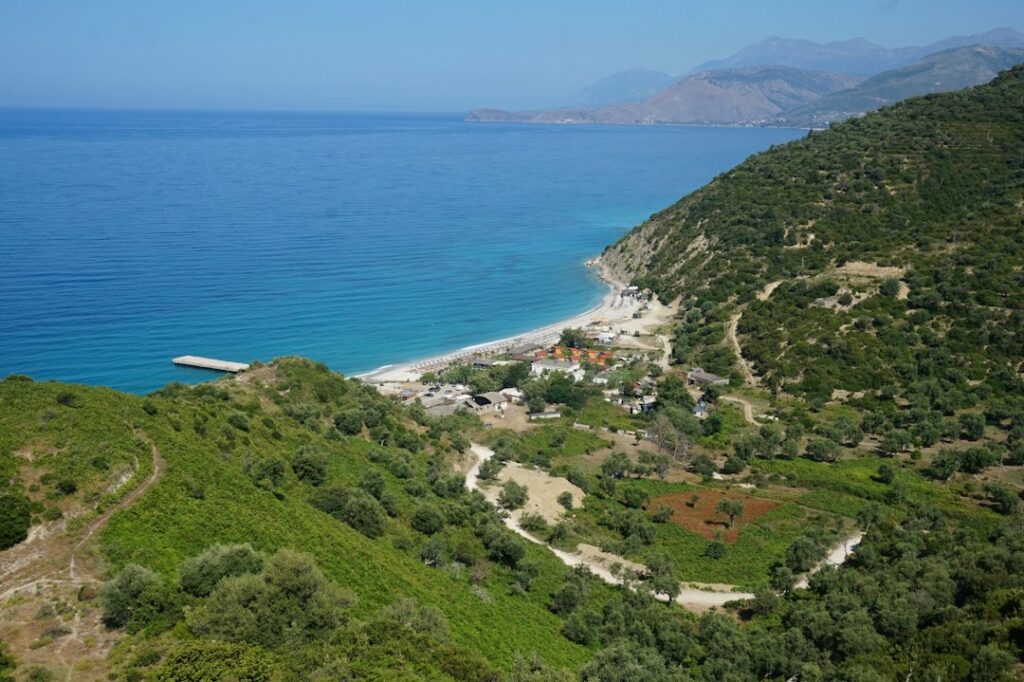
As the shoulder season arrives in March and April, remote workers encounter a more flexible environment characterized by lower tourism pressure and pleasant conditions for city exploration. Weather patterns during these months can shift rapidly, making flexible day trips far more practical than a rigid outdoor schedule. By April, southern and coastal services begin expanding their operations, though exact opening dates vary widely from one independent business to another. For a split-month itinerary, professionals often start their stay in Tirana and transition to the coast only after confirming that their apartment and local workspaces are fully operational, thereby avoiding the risk of arriving in a coastal town before necessary services are open.
For many remote professionals, May and June provide the strongest all-around choice for a balanced working month. The official tourism agency notes that spring is particularly conducive to exploring historic cities, enjoying quieter southern beaches, and visiting mountain regions. Days grow longer, transport and hospitality networks become significantly more active, and the coast has not yet reached its heaviest influx of visitors. June brings warmer and livelier conditions, though workers booking accommodations later in the month should prioritize quiet apartments over central waterfront units to ensure their living spaces remain conducive to professional calls, keeping potential noise and window insulation in mind.

Conversely, July and August represent the peak beach season, offering ideal conditions for swimming and coastal nightlife alongside the highest level of remote work friction. While these months naturally appeal to travelers prioritizing the sea, they frequently introduce operational challenges driven by high accommodation demand, intense heat, heavy traffic, and ambient noise. INSTAT data highlights this surge, recording a national hotel-room occupancy rate of 67.4 percent in August, up from previous years. This substantial rise in demand signals the kind of competitive housing market and bustling environment that can complicate a call-heavy work schedule. Workers choosing peak season must secure verified, quiet accommodations and budget accordingly, as budget-friendly options that remain quiet and professionally equipped are exceedingly difficult to find during the height of summer.
September emerges as one of the most effective compromises for blending coastal enjoyment with a productive work routine. The tourism agency identifies September as an ideal time for beach visits, while early autumn transitions into a quieter period for cultural tourism. The first half of the month reliably maintains warm sea temperatures and active coastal infrastructure, while the latter half requires travelers to check closing dates directly with operators rather than relying on previous years’ schedules.
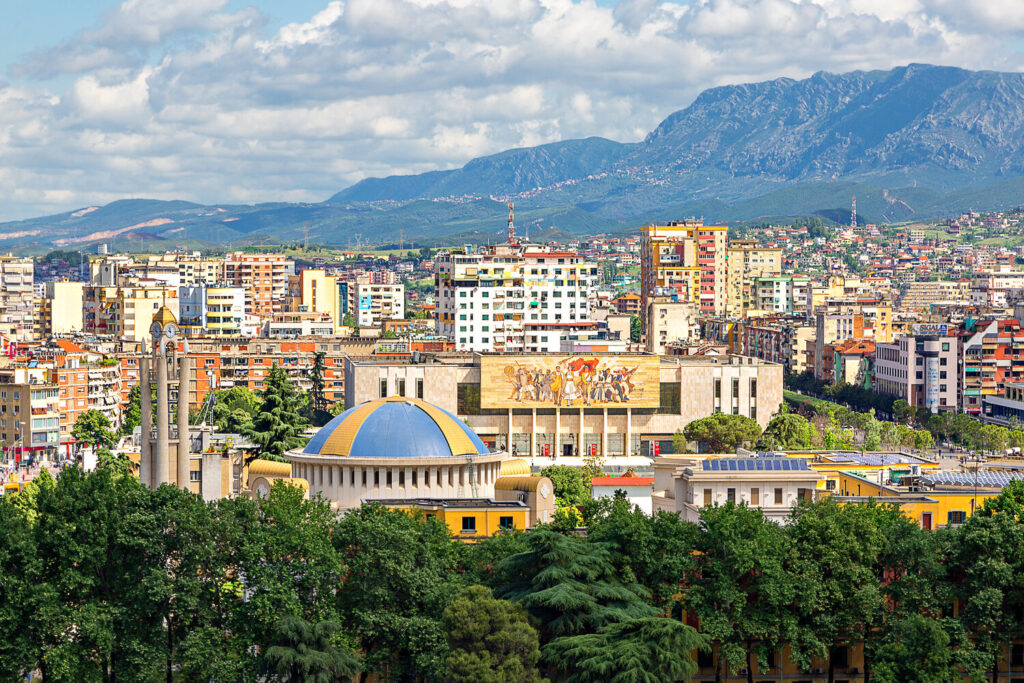
October serves as an excellent month for urban exploration in Tirana, Berat, and Gjirokastër, alongside early-autumn hiking. While the coast can remain pleasant, changing weather and shorter days make it less reliable as a dedicated beach destination, meaning a coastal base in October requires careful verification of heating and local grocery access. Late autumn and winter consistently favor the capital, where Tirana maintains the most resilient base across all twelve months due to its comprehensive selection of coworking spaces, public transport networks, supermarkets, and cultural venues.
Urban infrastructure varies notably between the capital and the coastal regions. Tirana maintains consistent pricing and availability for shared workspaces, with local operators offering daily, weekly, and monthly passes that include high-speed Wi-Fi, call booths, and lockers. Meanwhile, median rental asking prices in the capital reflect a competitive urban market. Along the southern coast, locations like Sarandë offer seasonal coworking options and dedicated day passes, but long-term rental data remains sparse compared to the capital. Similarly, coastal cities like Vlorë and Durrës retain broader resident infrastructure than small resort villages, yet remote workers are continually advised to thoroughly test apartment utilities and workspace conditions before committing to a full month-long stay outside of Tirana.
| Source | : | Open Passport |
| Author | : | Azzam Bilal Chamdy |
| Editor | : | Open Passport Editorial Team |
