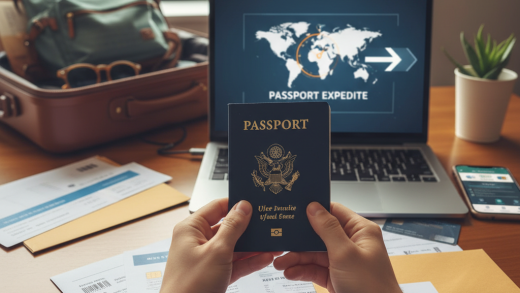

Getting a second passport is often viewed as a strategy reserved for the ultra-wealthy or international spies, but the reality is far more practical and accessible. From digital nomads to international business owners, acquiring dual citizenship or a second travel document has become a mainstream strategy for diversifying lifestyle risk and maximizing mobility.
In this guide, we will explore exactly how you can obtain a second passport, the different routes available depending on your budget and lineage, and the specific benefits that come with holding multiple nationalities.
Why Every Frequent Traveler Needs a Second Passport
The primary motivation for most travelers is visa-free access. Not all passports are created equal. A passport from a Tier A country (like Japan, Germany, or Singapore) offers visa-free entry to the vast majority of the world. However, if your current passport requires you to apply for visas constantly, a second passport from a nation with stronger diplomatic ties can save you hundreds of hours of paperwork and uncertainty.
Furthermore, there are significant financial incentives. Certain jurisdictions offer more favorable tax regimes for non-resident citizens. By strategically acquiring citizenship in a tax-friendly nation, you may be able to optimize your global tax burden, protect your assets, and open bank accounts in jurisdictions that might otherwise be closed to you.
Clarification: Dual Citizenship vs. Concurrent Passports
Before diving into the acquisition methods, it is vital to distinguish between two very different concepts that share the same name. The first is Dual Citizenship, which involves becoming a legal citizen of another country and obtaining a passport from that nation. This is the focus of this article.
The second is a Concurrent Passport (or a second passport book) issued by your current country. Countries like the United States and the United Kingdom allow frequent travelers to hold two valid passport books simultaneously. This is useful if you need to send one passport away for a visa application while traveling on the other, or if you visit countries with diplomatic conflicts (e.g., Israel and certain Arab nations). While useful for logistics, a concurrent passport does not offer a new nationality or a legal Plan B.
Route 1: Citizenship by Descent (Jure Sanguinis)
The most cost-effective way to obtain a second passport is through your bloodline. Many countries operate on the principle of jus sanguinis (right of blood), allowing you to claim citizenship if your parents, grandparents, or sometimes even great-grandparents were born there.
European Powerhouses: Europe is the hotspot for this route. Ireland, for example, has one of the most generous policies. If you have a grandparent born on the island of Ireland, you are eligible for Irish citizenship, which grants you the right to live and work anywhere in the European Union.
Italy is another popular option, with no limit on the number of generations you can go back, provided no ancestor in the line renounced their Italian citizenship before the next generation was born. Poland, Hungary, and Germany (specifically for descendants of victims of Nazi persecution) also offer strong pathways.
The process usually involves gathering birth, marriage, and death certificates to prove the lineage. While legal fees can range from a few hundred to a few thousand dollars, this is significantly cheaper than investment options.
Route 2: Citizenship by Investment (CBI)
If you lack the ancestry but have the capital, Citizenship by Investment (CBI) is the fastest route to a second passport. This involves making a significant economic contribution to a country’s government fund or real estate market in exchange for full citizenship.
The Caribbean Programs: The Caribbean is the birthplace of the modern CBI industry. Countries like St. Kitts and Nevis, Dominica, Antigua and Barbuda, Grenada, and St. Lucia offer passports in exchange for a donation (starting around $100,000 USD) or real estate investment (starting around $200,000 USD).
These programs are incredibly efficient, often processing applications in 3 to 6 months. A Caribbean passport generally offers visa-free travel to the UK, the Schengen Area (Europe), and many other jurisdictions. Grenada specifically offers access to the E-2 Treaty Investor Visa for the US, making it highly covetable.
European Options: CBI in Europe is more expensive and becoming scarcer due to EU pressure. Malta currently offers the gold standard: Citizenship by Naturalisation for Exceptional Services by Direct Investment. It requires a significant contribution (over €600,000), residency, and a charitable donation. The result is a Tier A European passport.
Turkey offers a popular middle ground. By purchasing real estate worth at least $400,000, investors can acquire Turkish citizenship. While it doesn’t offer visa-free access to the Schengen zone, it is a powerful regional passport and a bridge between East and West.
Route 3: Citizenship by Naturalization
For those who cannot prove ancestry and do not wish to spend hundreds of thousands of dollars, naturalization is the traditional path. This requires you to obtain legal residency in a country and physically live there for a set number of years before applying for citizenship.
The 5-Year Options: Countries like Portugal and Belgium allow you to apply for citizenship after five years of residency. Portugal is particularly attractive to frequent travelers because its residency requirement is quite low (staying in the country for only a few weeks per year) if you are on the Golden Visa route, although standard residency visas require substantial time on the ground.
Latin America: Several countries in South and Central America offer fast-track naturalization. Argentina theoretically allows you to apply for citizenship after just two years of residency. Paraguay allows application after three years, though the bureaucracy can be slow. These passports are excellent for travel, providing access to Europe and most of the Americas.
The "Paper Residency" Myth: Be wary of advice suggesting you can get naturalized without living in the country. Most naturalization processes require you to prove strong ties to the community, language proficiency, and actual physical presence. It is a lifestyle commitment.
Route 4: Citizenship by Marriage
Often cited as the romantic route, marrying a citizen of another country can fast-track your path to a second passport. However, it is rarely instantaneous. Almost all countries require a period of residency after marriage before citizenship is granted to prevent "sham marriages."
For example, marrying a French citizen allows you to apply for citizenship after four years of marriage, provided you have learned the language. In Cape Verde, you can apply for citizenship immediately after marriage, making it one of the fastest routes in the world, though the passport strength is moderate.
Route 5: Citizenship by Birth (Jus Soli)
While this doesn’t help an adult acquire a passport immediately, it is a forward-thinking strategy for your children. Jus Soli (right of the soil) grants citizenship to anyone born within the country’s territory. This is standard in most of the Americas, including the USA, Canada, Brazil, and Mexico.
By engaging in "birth tourism" (legally giving birth in these countries), parents can ensure their child starts life with a powerful second passport, which may eventually allow the child to sponsor the parents for residency or citizenship later in life.
Critical Considerations Before Pursuing a Second Passport
1. Dual Citizenship Bans: Not all countries allow dual citizenship. Countries like Singapore, China, and India generally forbid it. If you are a citizen of one of these nations, acquiring a second passport could lead to the revocation of your original citizenship. Always check the laws of your home country.
2. Taxation: Moving to a tax haven doesn’t always free you from taxes. The United States, for example, taxes based on citizenship, not residency. If you are a US citizen, obtaining a second passport does not exempt you from IRS obligations unless you renounce your US citizenship—a serious and irreversible decision.
3. Military Service: Some nations have mandatory conscription. Before acquiring citizenship in countries like Israel, South Korea, or even Singapore (for second-generation males), investigate whether you or your children will be liable for military service.
4. Security Clearances: If you work in government or defense sectors requiring high-level security clearance, acquiring a second nationality can be a significant red flag and may jeopardize your career.
The Application Process: What to Expect
Regardless of the route you choose, the administrative process is rigorous. You will need to provide a clean police record (often from every country you have lived in for the past 10 years), certified translations of birth and marriage certificates, and proof of funds.
Due Diligence: Governments conduct deep background checks. If you have a criminal record, significant reputational issues, or cannot prove the source of your wealth, your application will likely be rejected. This is especially true for Citizenship by Investment programs, which are under intense scrutiny from international bodies.
Conclusion: Is it Worth It?
For the frequent traveler, the answer is almost unequivocally yes. A second passport is an asset that appreciates in value as the world becomes more volatile. It provides options, and in the geopolitical arena, options equate to freedom.
Whether you dig through family archives to find an Italian great-grandfather, invest in Caribbean real estate, or spend five years living in Portugal, the effort required to obtain a second passport pays dividends for a lifetime. It is the ultimate travel hack, ensuring that no matter what happens in the world, you always have a place to go and a way to get there.