Receiving a visa rejection stamp on your passport is not only disheartening but can also complicate future travel plans. Whether you are applying for a tourist, student, or work visa, the decision lies entirely with the consular officer. However, understanding the common pitfalls and preparing a watertight application can significantly increase your chances of success. Many rejections occur not because the applicant is ineligible, but because the application was poorly presented or incomplete. This guide outlines the critical steps to ensure your application stands out for the right reasons.
1. Understand the Specific Visa Requirements
The first step is often where many applicants fail. Different countries and visa categories have distinct requirements. Do not rely on general advice from friends or outdated forums. Visit the official website of the embassy or consulate where you intend to apply. Create a checklist of mandatory documents, such as passport validity rules (usually 6 months beyond the travel date), photo specifications, and specific application forms. Missing a single document is the easiest way to get an immediate rejection.
2. Provide Concrete Proof of Financial Means
Consular officers must ensure you can support yourself during your stay without becoming a burden on the state or seeking illegal employment. To avoid rejection based on financial grounds, provide clear and organized evidence of your funds.
- Bank Statements: Submit official, stamped statements for the last 3 to 6 months. Avoid making large, unexplained deposits right before the application, as this looks suspicious (
funds parking
).
- Sponsorship Letters: If someone else is funding your trip, include a notarized affidavit of support and their financial documents.
- Income Proof: Include pay slips, employment contracts, or business registration documents and tax returns if you are self-employed.
3. Establish Strong Ties to Your Home Country
One of the primary reasons for visa denial, particularly for non-immigrant visas (like tourist or business visas), is the failure to prove intent to return. Under immigration laws, officers often must assume every applicant intends to immigrate until proven otherwise. You must convince the officer that you have compelling reasons to go back home after your trip.
Evidence of strong ties includes:
- Employment: A No Objection Certificate (NOC) from your employer stating your role, salary, length of employment, and approved leave dates.
- Property and Assets: Deeds to property, land ownership, vehicle registration, or other investments in your home country.
- Family Commitments: Marriage certificates or birth certificates of children and elderly parents who depend on you and are remaining in your home country.
4. Ensure Consistency and Honesty
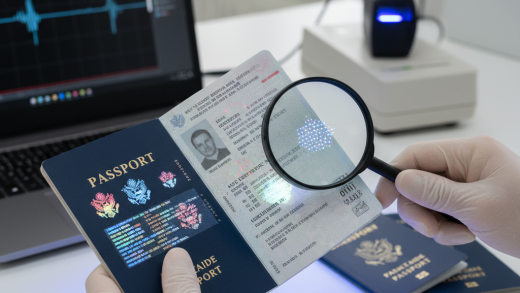
Any discrepancy between your application form and your interview answers is a major red flag. Before your interview, review the form you submitted (such as the DS-160 for the US or the Schengen application form). If your form states you are staying for two weeks, do not say “one month” during the interview. Furthermore, never present fake documents. Embassies have sophisticated methods to verify hotel reservations, flight bookings, and bank details. Fraud often results in a permanent ban from entering that country.
5. Master the Consular Interview
The interview is your opportunity to humanize your application and clarify your intent. Keep your answers concise, truthful, and direct. Do not offer unnecessary information that was not asked, as this can lead to confusing contradictions. Dress professionally to show respect for the process. If you are nervous, take a moment to breathe, but maintain eye contact. If you do not understand a question, ask the officer to repeat it rather than guessing.
Conclusion
Avoiding visa rejection is about preparation, transparency, and attention to detail. By strictly following the embassy’s guidelines, demonstrating financial stability, and proving your intent to return, you present yourself as a credible traveler. Take the time to organize your portfolio, double-check your forms for errors, and approach the interview with confidence. A well-prepared application is your best defense against denial.