Introduction to the Green Card Application
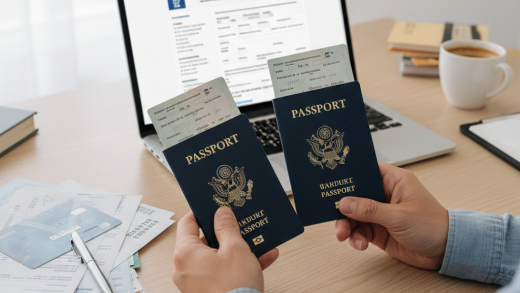
Obtaining a Green Card, officially known as a Permanent Resident Card, allows you to live and work permanently in the United States. It is a significant milestone for many immigrants, offering a path toward U.S. citizenship. The application process can be complex and time-consuming, requiring careful attention to detail and strict adherence to legal requirements. This guide will walk you through the essential steps to navigate the system successfully.
General Eligibility Requirements
Before beginning the application, you must determine if you fall into one of the eligible categories defined by U.S. Citizenship and Immigration Services (USCIS). Common pathways include:
- Family-based: For immediate relatives of U.S. citizens or green card holders.
- Employment-based: For individuals with specific job offers, investment capabilities, or exceptional abilities.
- Refugee or Asylee Status: For those granted protection in the U.S. at least one year prior.
- Diversity Visa Lottery: For individuals from countries with low immigration rates to the U.S.
Step 1: Determine Your Eligibility
The first step is identifying the specific immigrant category you qualify for. Each category has different requirements, filing fees, and forms. You must ensure that you meet all the criteria for your chosen path, as filing the wrong petition can lead to immediate denial and loss of application fees. It is often recommended to consult the official USCIS website to confirm your specific eligibility sub-category.
Step 2: File the Immigrant Petition
Once eligibility is established, a petition must be filed on your behalf. In most family-based cases, a U.S. citizen relative files Form I-130. For employment-based cases, an employer typically files Form I-140. In some instances, such as the Diversity Visa or certain special categories like the EB-1A for extraordinary ability, you may be able to file for yourself. The approval of this petition is the foundation of your Green Card application.
Step 3: Check Visa Availability
After the petition is approved, you must check if a visa is available in your category. While immediate relatives of U.S. citizens have no limit on visas, other categories are subject to annual caps. You must monitor the monthly Visa Bulletin issued by the Department of State to see when your priority date becomes current. You cannot move to the next step until a visa is available for your specific category and country of chargeability.
Step 4: File the Application (I-485 or Consular Processing)
If you are already in the U.S. on a valid visa, you file Form I-485 to adjust your status. If you are outside the U.S., you must go through consular processing at a U.S. embassy or consulate in your home country. This step involves submitting extensive documentation, including medical exam results, financial records (Affidavit of Support), and various civil documents like birth and marriage certificates.
Step 5: Attend Biometrics and Interview
Most applicants are required to attend a biometrics appointment where fingerprints, photographs, and signatures are collected for background checks. Following this, an interview with a USCIS officer or consular official is scheduled. During the interview, you will be asked questions about your application, background, and the legitimacy of your relationship or job offer to verify the information provided in your forms.
Conclusion
The Green Card application process requires significant patience and thoroughness. By understanding each step—from determining eligibility to the final interview—you can navigate the system more effectively. Always ensure that your documentation is complete, accurate, and submitted on time to avoid unnecessary delays. Once approved, you will receive your Green Card by mail, marking the beginning of your status as a lawful permanent resident of the United States.