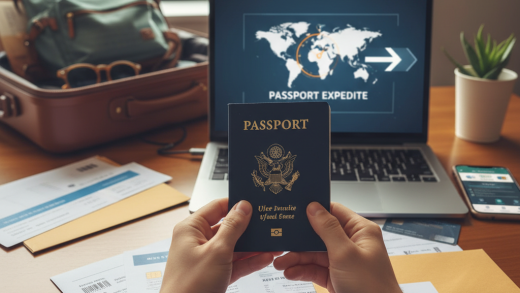
Navigating international travel and immigration can be complex, especially when it comes to understanding legal documentation. Two of the most common terms you will encounter are visa and residence permit. While they both relate to your right to be in a foreign country, they serve very different purposes and are issued under different circumstances. Understanding these nuances is crucial for anyone planning to travel, work, or live abroad.
What is a Visa?
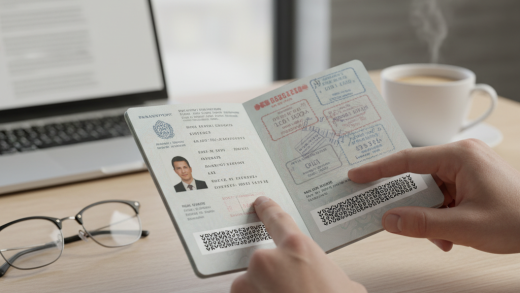
A visa is typically a conditional authorization granted by a territory to a foreigner, allowing them to enter, remain within, or to leave that territory. Visas usually include limits on the duration of the foreigner’s stay, the dates they may enter, the number of permitted visits, or an individual’s right to work in the country in question. Most visas are stamped or glued into the traveler’s passport before they even begin their journey.
What is a Residence Permit?
A residence permit is a document or card required in some countries, allowing a foreign national to reside in a country for a fixed or indefinite period of time. These are often required for stays exceeding a certain duration, such as 90 days. Unlike a visa, which is primarily an entry document, a residence permit focuses on your right to live, and often work or study, in the host country for an extended period. It serves as your primary identification document while you are a resident.
Key Differences Between Visa and Residence Permit
The primary differences lie in their purpose and duration. A visa is generally for short-term visits like tourism, business meetings, or short courses. It is often obtained before you arrive in the country. A residence permit, on the other hand, is for long-term stays. In many cases, you enter a country on a specific type of long-stay visa and then apply for a residence permit once you have arrived and registered with local authorities.
- Purpose: Visa is for entry and short stays; Residence Permit is for long-term living.
- Validity: Visas are usually short-term (weeks or months); Residence Permits are long-term (years) and often renewable.
- Issuing Authority: Visas are often issued by embassies or consulates abroad; Residence Permits are issued by domestic immigration offices within the country.
Step-by-Step Guide: How to Transition from Visa to Residence Permit
If you plan to stay in a country long-term, you must follow a specific sequence of legal steps to ensure your stay remains lawful:
- Step 1: Determine the Right Visa Type. Apply for a National Visa or Long-Stay Visa at the embassy of your destination country. Do not enter on a tourist visa if you intend to stay long-term, as many countries do not allow switching status after arrival.
- Step 2: Enter the Country Legally. Present your long-stay visa at the border. Ensure your passport is stamped correctly by the border control officers to prove your date of entry.
- Step 3: Register with Local Authorities. Most countries require you to register your residential address at a local town hall or police station within a few days of arrival.
- Step 4: Apply for the Residence Permit. Visit the local immigration office to submit your application, provide biometrics, and show supporting documents like work contracts, health insurance, or university enrollment.
- Step 5: Receive Your Permit Card. Once approved, you will receive a residence card which allows you to travel in and out of the country without needing a new visa.
Conclusion
In summary, think of a visa as your key to enter the door and a residence permit as your lease to stay in the building. Always research the specific requirements of your destination country well in advance, as immigration laws vary significantly between nations. Ensuring you have the correct documentation will prevent legal issues and make your international transition much smoother.