
Amnesty International Urges Transparency and Human Rights Compliance as Salvadoran Military Deploys to Haiti Outside UN Oversight
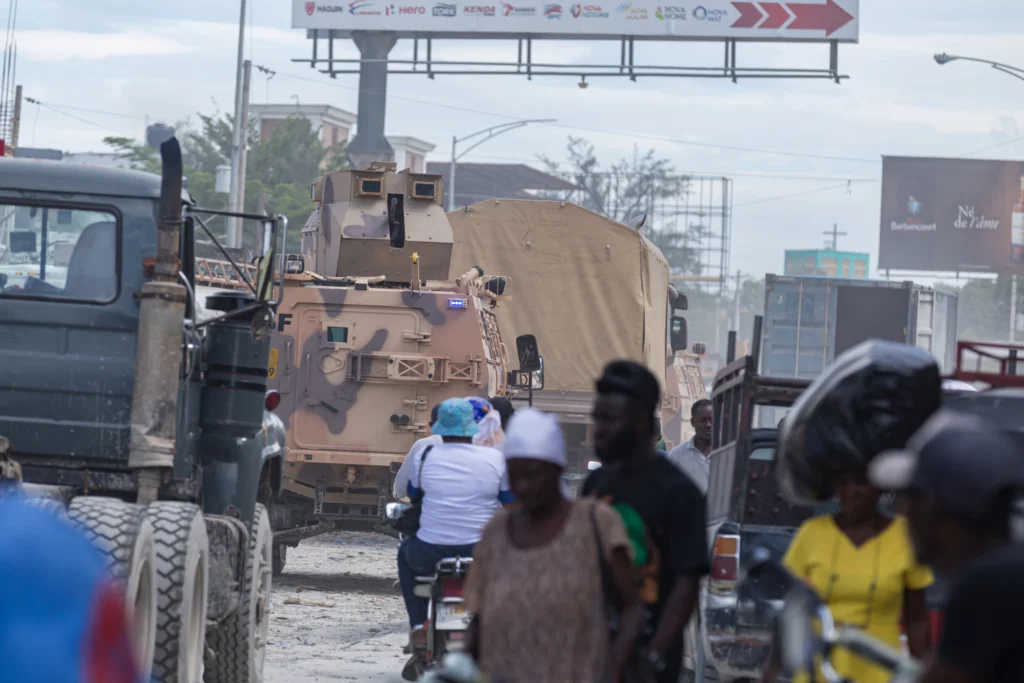
PORT-AU-PRINCE — Human rights organization Amnesty International has issued a strong and urgent call for transparency and strict accountability following the deployment of Salvadoran military personnel to Haiti. The appeal comes in the wake of a crucial clarification provided by Stéphane Dujarric, the spokesperson for United Nations Secretary-General António Guterres. According to the UN clarification, the vast majority of the Salvadoran military personnel recently deployed to Haitian soil do not form part of the Gang Suppression Force (GSF) — a specialized security mission officially authorized by the UN Security Council. Because these troops operate outside the sanctioned framework of the GSF, they consequently fall entirely outside the formal mandate and monitoring mechanisms established by the United Nations Support Office in Haiti (UNSOH).
This jurisdictional vacuum has raised profound concerns among international human rights monitors regarding oversight, transparency, and the protection of civilians in a nation already grappling with a catastrophic humanitarian and security emergency. In response to these developments, Ana Piquer, Amnesty International’s Americas Director, underscored the gravity of the situation, directing her appeal squarely at the highest levels of leadership in both nations.
"The Prime Minister of Haiti, Alix Didier Fils-Aimé, and the President of El Salvador, Nayib Bukele, must ensure that all operations conducted by Salvadoran forces in Haiti comply with international human rights law," stated Ana Piquer. "The Haitian Prime Minister’s commitment not to tolerate violations must translate into effective safeguards. Both governments must make public the agreement governing the deployment and explain how they oversee the deployed forces, what rules govern the use of force, to whom they are accountable, and how people can report possible violations without fear of reprisals."
The deployment of foreign security forces into Haiti is a highly sensitive issue, framed by decades of complex international interventions, domestic political instability, and the devastating impact of hyper-violent armed gangs that currently control large swathes of the capital, Port-au-Prince, and surrounding regions. The Haitian population has endured immense suffering, marked by widespread displacement, targeted violence, sexual assault, and severe restrictions on freedom of movement and access to basic necessities.
Against this volatile backdrop, the arrival of unmonitored foreign military units has amplified anxieties among local civil rights groups and international observers. Observers note that military-style counter-gang operations, when executed without robust oversight or specialized human rights training, frequently carry an elevated risk of collateral harm to vulnerable civilian populations.
Highlighting the acute vulnerabilities faced by ordinary citizens on the ground, Piquer emphasized that the people of Haiti possess an unalienable right to live free from violence and fear. Security operations, she warned, can inadvertently exacerbate risks for communities that are already struggling under the weight of a profound humanitarian crisis. These dangers are particularly acute when tactical operations are conducted in densely populated urban neighborhoods, closely adjacent to residential homes, schools, and medical facilities—institutions that should remain safe havens during periods of conflict.
"Both governments must take effective measures to protect people’s lives and physical integrity, prevent forced displacement, and ensure access to food and medical care," Piquer noted. "Any use of force must comply with the principles of legality, necessity and proportionality. Protecting children, including those recruited by armed gangs, requires personnel trained in human rights, specific protocols and specialized care."
The call for specialized care and human rights training is especially pertinent given the documented tactics of Haitian armed gangs, which frequently coerce, exploit, and forcibly recruit minors into their ranks. Security forces engaging these groups must navigate incredibly delicate operational environments where the line between combatants and exploited children can be dangerously blurred, demanding adherence to the highest international standards of juvenile justice and child protection.
Furthermore, Amnesty International’s intervention addresses the pressing need for institutional accountability and the rule of law. The organization insists that the authorities of both countries must establish prompt, independent, and impartial investigations into any and all allegations of human rights violations stemming from these security operations. Ensuring that individuals suspected of criminal responsibility are brought to justice through fair trials, alongside guaranteeing meaningful reparations for victims, is viewed as an indispensable requirement to break historical cycles of abuse and impunity.
Complicating the security landscape even further is an ongoing operational crisis involving the Salvadoran deployment itself. The organization pointed to the urgent need to establish the fate and whereabouts of four Salvadoran military personnel who have been missing since October 18. The circumstances surrounding their disappearance remain a source of intense concern. Amnesty International stressed that if these missing personnel are currently being held captive by an armed gang, they must be released immediately and unharmed. At the same time, the broader response to gang violence in the Caribbean nation must be handled with utmost care to ensure that current security strategies do not replicate the historical abuses and institutional impunity that have so often characterized previous international and domestic interventions in Haiti.
"The response to gang violence must not replicate the abuses and impunity that have characterized previous interventions in Haiti," Piquer concluded, summing up the core message of the organization’s appeal to regional and international stakeholders.
As the situation on the ground continues to evolve, the international community, local human rights defenders, and affected communities await concrete actions from the administrations of Prime Minister Alix Didier Fils-Aimé and President Nayib Bukele. The demand for transparency regarding the bilateral deployment agreement, the establishment of clear accountability mechanisms, and an unwavering commitment to international human rights standards remain central to preventing further suffering in a country striving to reclaim its stability and security.
| Source | : | Open Passport |
| Author | : | Raul Delapena Setiawan |
| Editor | : | Open Passport Editorial Team |
