
Amnesty International Urges COP31 World Leaders to End Fossil Fuel Backing and Deliver Equitable Climate Action
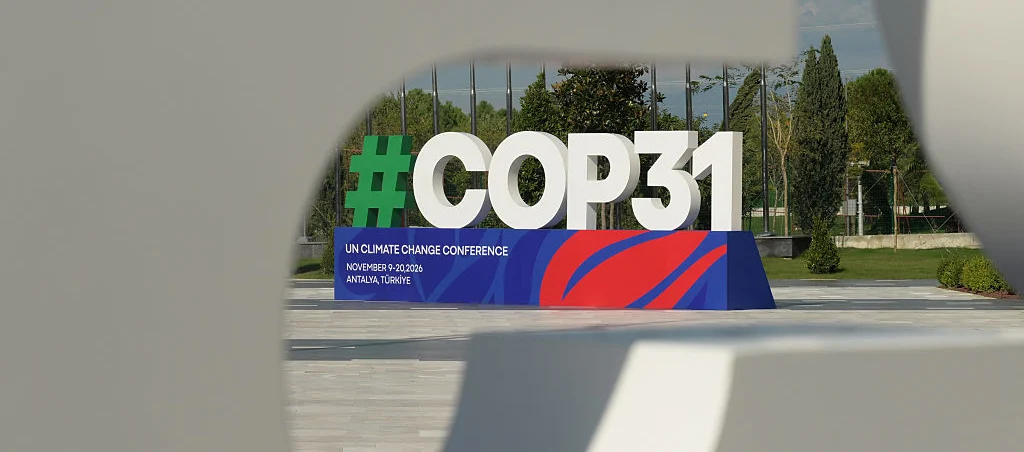
As delegates and world leaders prepare to gather for the COP31 climate change conference, human rights advocates have issued a stern warning regarding the future of global environmental policy. Amnesty International has called on governments worldwide to immediately halt their backing of the fossil fuel industry and commit to a rapid, equitable phase-out. According to the organization, this transition is no longer just an environmental preference, but a strict requirement dictated by science, human rights obligations, and international law.
The upcoming summit faces immense pressure following a series of alarming scientific reports and escalating climate disasters across the globe. Marta Schaaf, Programme Director for Climate, ESJ and Corporate Accountability at Amnesty International, underscored the gravity of the political landscape leading into the negotiations.
"The world is not running out of climate warnings. It is running out of excuses," said Schaaf. "After more than 30 years of climate negotiations, governments can no longer hide behind promises of future action or avoid confronting their fossil fuel industry allies. The climate crisis is not a failure of knowledge, but a failure of political courage. It is time to break the stranglehold of corporate power over political decision-making and end the fossil fuel era before it ends us."
This sense of urgency is heavily anchored in recent evaluations from international bodies. The latest assessment from the UN Environment Programme (UNEP) delivered a stark wake-up call ahead of COP31, indicating that the world remains dangerously on course to overshoot the critical 1.5°C global temperature threshold. Governments, particularly those from nations historically most responsible for creating the climate crisis, are falling critically short of taking the decisive actions required to limit both the scale and the duration of that temperature overshoot.
Communities worldwide are already bearing the devastating human cost of this political hesitation. Extreme weather events—including severe droughts, raging wildfires, intense storms, catastrophic floods, melting glaciers, and rapidly rising sea levels—are displacing populations and destroying livelihoods. Experts warn that every additional fraction of a degree in global warming will deepen the erosion of human rights. Furthermore, an unmitigated overshoot is inherently dangerous, as it risks triggering irreversible climate tipping points and causing permanent ecological harm that cannot be undone even if temperatures are eventually brought back down in the future.
In light of these realities, governments are under immense pressure to translate their long-term promises into concrete, immediate decisions. These actions must focus on slashing greenhouse gas emissions, accelerating the phase-out of coal, oil, and gas, financing just transitions for vulnerable workforces, and protecting populations from worsening environmental catastrophes.
Advocates emphasize that these measures are legally binding rather than optional policy choices. Recent clarifications from the International Court of Justice have explicitly highlighted that sovereign states hold legal obligations under international law to prevent significant climate harm, regulate industrial activities that contribute to global warming, and cooperate internationally to safeguard both present and future generations. For many legal and environmental experts, COP31 represents a critical test of whether the international community is finally willing to honor these binding obligations.
"UNEP’s warning should jolt world leaders into bold and decisive climate action," Schaaf said. "Even if temporarily exceeding 1.5°C becomes unavoidable, it must never become an excuse for surrender or further delay. COP31 must limit the scale and duration of the overshoot, bring temperatures back down and protect people from even greater harm. Every fraction of a degree, and every year of delay, matters to human and to planetary life."
COP31 Must Deliver Collective Action
While the climate crisis transcends national borders and affects the entire globe, its consequences are profoundly unequal. Recent catastrophes, such as the devastating floods in Nepal and Tibet triggered by a partial Himalayan glacier collapse, have vividly demonstrated how communities possessing the fewest resources are frequently exposed to the gravest dangers. These tragic events have underscored the desperate need for genuine international cooperation, alongside adequate financial commitments from higher-income nations to support a just transition and build climate resilience in lower-income countries.
"No country can confront this crisis alone. Those who have contributed least to global warming are often suffering the greatest harms. COP31 must deliver collective action that reflects this profound injustice," Schaaf noted.
To achieve true climate justice, COP31 must generate concrete outcomes that advance a human rights-consistent transition. Governments are urged to accelerate a full, fast, fair, and funded phase-out of fossil fuels, tailored according to their individual historical responsibilities and economic capacities. While the transition toward widespread electrification through renewable energy sources is essential, it must be managed carefully to protect industrial workers, Indigenous Peoples, and frontline communities. This expansion must not replicate historical abuses or create new, insatiable demands for fossil fuels, such as the massive energy draws required by emerging artificial intelligence data centers.
Simultaneously, high-income countries that bear the greatest historical responsibility for cumulative greenhouse gas emissions must dramatically increase grant-based climate finance. Organizations like Amnesty International suggest that these funds could be mobilized through higher taxation on the ultra-rich, major fossil fuel corporations, and their financial backers. This dedicated funding stream is viewed as indispensable for enabling lower-income nations to cut their emissions, adapt to changing climates, manage just transitions, and address loss and damage, including through formal climate reparations.
Türkiye and Australia Face a Climate Leadership Test
As the designated host and negotiations lead for COP31, Türkiye and Australia find themselves under intense scrutiny and facing a defining test of their climate leadership. Both nations have drawn sharp criticism from environmental watchdogs and international civil society groups for continuing to embrace fossil fuels while attempting to shepherd global climate talks.
Türkiye remains heavily dependent on domestic coal and continues to pursue plans to expand its fossil gas production infrastructure. Meanwhile, Australia maintains its status as one of the world’s largest exporters of both coal and liquefied natural gas, creating an apparent contradiction in their diplomatic roles.
"Türkiye and Australia cannot claim climate leadership while locking the world into decades more fossil fuel dependence. Leadership means accelerating the end of fossil fuels, not finding new ways to prolong their use," Schaaf said.
Furthermore, governments attending the summit must confront the powerful political and corporate interests that actively obstruct a full, fast, fair, and funded fossil fuel phase-out. Experts argue that COP31 must not be allowed to be derailed by undue fossil industry influence. This requires the establishment of a robust accountability framework capable of identifying and excluding conflicts of interest while ensuring that directly affected communities retain a central voice in the proceedings.
Across the globe, Indigenous Peoples, environmental human rights defenders, and local communities are actively resisting destructive industrial projects and fighting to defend their ancestral lands, local environments, and collective futures. Amnesty International has documented grassroots climate resistance movements across diverse regions, including Australia, Brazil, Canada, Ecuador, and Türkiye.
While these grassroots movements are widely recognized as essential components of a fair and effective global transition, the individuals driving them face severe obstacles. Indigenous Peoples and other affected community members are routinely excluded from formal decision-making spaces, while environmental defenders frequently encounter criminalization, intimidation, and violent reprisals for their activism.
"The people defending forests, rivers, ancestral lands and communities from destructive projects are showing governments what climate leadership truly looks like," Schaaf stated. "They must be protected and heard, not criminalized, intimidated or excluded from decisions about their futures."
Türkiye Must Protect Civic Space at COP31
As the host nation, Türkiye carries a specific responsibility to ensure that every delegate, observer, and activist attending COP31 is able to participate safely and freely, entirely free from discrimination, intimidation, or the threat of reprisals. This obligation is particularly urgent given the broader context of tightening pressure on civic space and rising anti-rights rhetoric, which have deepened fear and division within society. Amnesty International has stressed that LGBTI+ individuals, environmentalists, and other defenders facing intersecting forms of discrimination must receive effective protection during the event.
To maintain legitimacy, COP31 must remain open to rigorous public scrutiny, peaceful protest, and diverse forms of dissent. Affected communities must be granted the space to shape decisions concerning their futures without living in fear of legal or physical retaliation.
"There can be no climate justice without the freedom to demand it. Türkiye and all governments attending COP31 must protect peaceful protest and ensure affected communities carry more weight in negotiations than the fossil fuel industry," Schaaf concluded.
Ahead of the official opening of COP31, human rights organizations have released extensive technical recommendations outlining pathways for ambitious climate finance, the formal recognition and legal protection of environmental human rights defenders, and strict regulatory requirements for modern electrification targets such as the proposed "35 by 35" framework.
| Source | : | Open Passport |
| Author | : | Asro |
| Editor | : | Open Passport Editorial Team |
