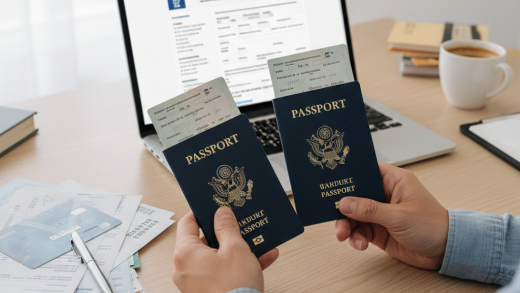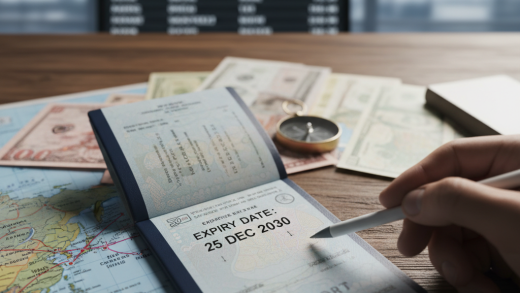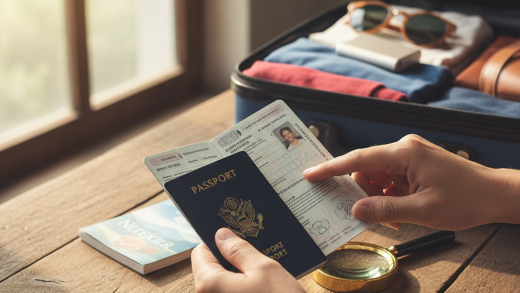
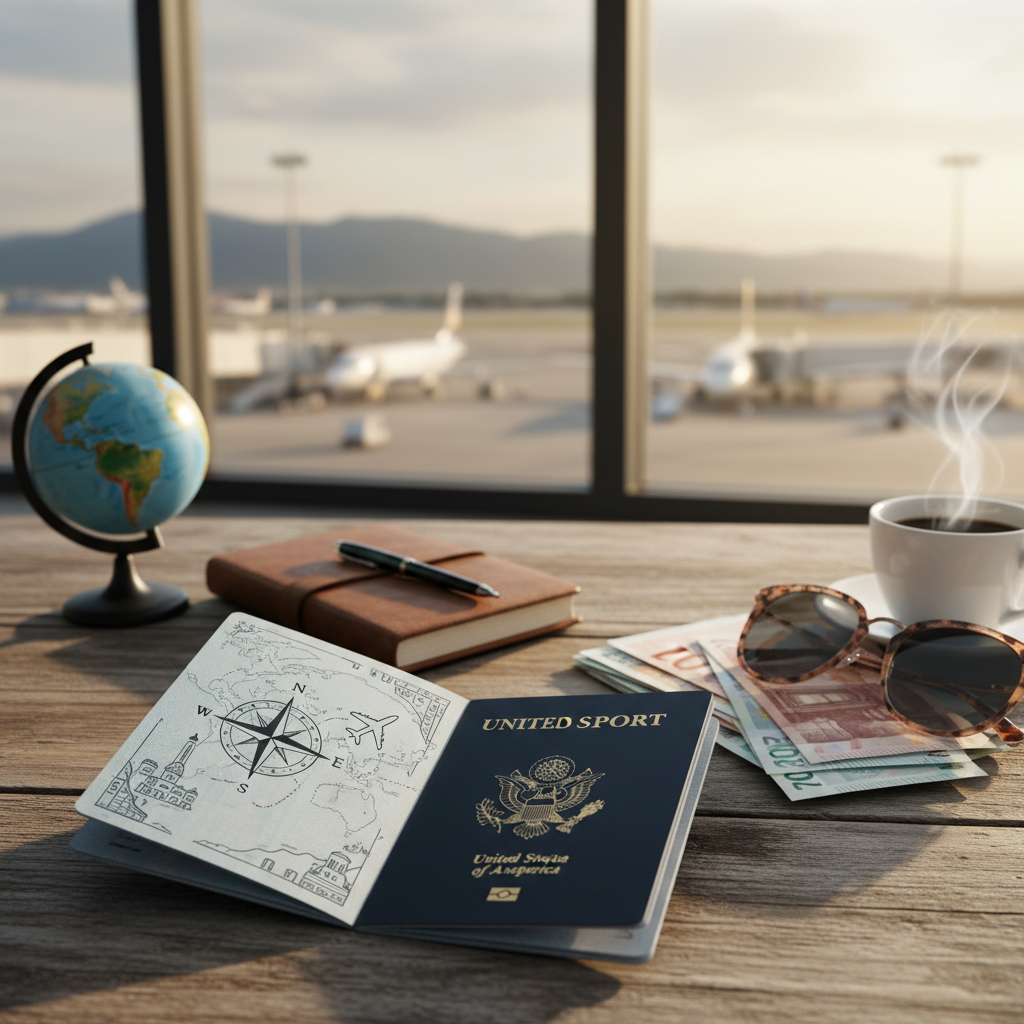
Step 1: Get Your Passport! This might seem obvious, but it’s the foundational step. If you don’t have a passport, you can’t go anywhere internationally. Check your passport’s expiration date if you already have one. Most countries require passports to be valid for at least six months beyond your planned stay.
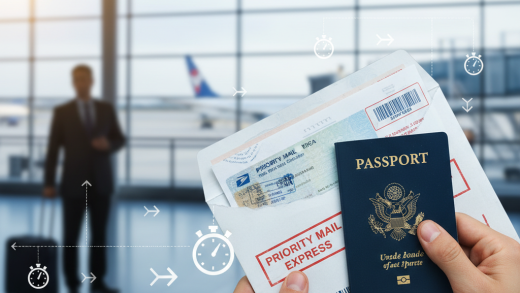
If you need a new passport, start by visiting your country’s passport agency website. You’ll find detailed instructions on how to apply, including required documentation like a birth certificate, proof of citizenship, and passport photos. Passport processing times vary, so apply well in advance of your trip—it’s better to be prepared!
Step 2: Choose Your Destination. Where do you want to go? Consider your interests, budget, and the time of year. Do you dream of relaxing on a tropical beach, exploring ancient ruins, or experiencing the vibrant culture of a bustling city? Research different destinations to find one that aligns with your travel style and preferences.
Think about factors like the climate, cost of living, and visa requirements. Some countries are easier to visit than others, and visa regulations can vary greatly depending on your citizenship. Websites like the official travel advisories of your country provide valuable information on safety, health, and entry requirements for different destinations.
Step 3: Set Your Budget. Travel can be expensive, but it doesn’t have to break the bank. Determine how much you can realistically spend on your trip. This includes flights, accommodation, food, activities, transportation, and souvenirs. Create a detailed budget and track your expenses to stay on track.
Step 4: Book Your Flights and Accommodation. Once you’ve chosen your destination and set your budget, it’s time to book your flights and accommodation. Compare prices from different airlines and hotels or consider alternative accommodation options like hostels, guesthouses, or vacation rentals.
Be flexible with your travel dates to find better deals. Consider flying during the shoulder season (the months between peak and off-peak seasons) for lower prices and fewer crowds.
Step 5: Plan Your Itinerary. Now for the fun part: planning your itinerary! Research the attractions, activities, and experiences you want to have at your destination. Create a daily or weekly schedule that balances sightseeing, relaxation, and cultural immersion.
Don’t try to cram too much into your itinerary. Allow for flexibility and spontaneity. Leave room for unexpected discoveries and off-the-beaten-path adventures.
Step 6: Visa and Entry Requirements. Check the visa and entry requirements for your chosen destination. Some countries require visas, while others offer visa-free entry for certain nationalities. Apply for your visa well in advance of your trip.
Make sure your passport is valid for the required period and that you have all the necessary documents, such as proof of onward travel and sufficient funds. Failing to comply with visa requirements can lead to denied entry.
Step 7: Travel Insurance and Health Precautions. Travel insurance is essential for any international trip. It protects you against unexpected events like medical emergencies, trip cancellations, lost luggage, and theft. Research different travel insurance policies and choose one that meets your needs.
Consult your doctor about any necessary vaccinations or health precautions for your destination. Pack a basic first-aid kit with any essential medications and supplies. Carry a copy of your prescriptions.
Step 8: Packing Essentials. Pack light and smart. Create a packing list and include essential items such as: comfortable clothing, appropriate footwear, toiletries, electronics (phone, camera, charger, adapter), and any necessary medications.
Consider the climate and activities you have planned when choosing your clothing. Roll your clothes instead of folding them to save space in your luggage. Leave room for souvenirs!
Step 9: Currency and Finances. Before you go, exchange some currency for your destination. You can do this at your bank or at a currency exchange service. Inform your bank of your travel dates to avoid any issues with your credit or debit cards.
Consider using a credit card with no foreign transaction fees. ATMs are usually readily available, but it’s a good idea to have some cash on hand for small purchases or in case of emergencies.
Step 10: Communication and Technology. Make sure your phone is unlocked and compatible with the local mobile networks. Consider purchasing a local SIM card or using a roaming plan. Download useful apps like translation apps, maps, and travel guides.
Inform your family and friends of your travel plans and share your itinerary. Stay connected with them and keep them updated on your whereabouts. Consider using social media to share your experiences and photos.
Step 11: Safety and Security. Be aware of your surroundings and take precautions to protect yourself against theft and other potential dangers. Keep your valuables secure, avoid walking alone in unfamiliar areas at night, and be mindful of scams.
Step 12: Embrace the Culture. Be respectful of local customs and traditions. Learn a few basic phrases in the local language. Try the local cuisine and embrace the opportunity to experience a new culture.
Step 13: Enjoy Your Trip! You’ve done all the planning – now it’s time to enjoy your adventure! Be open to new experiences, embrace the unexpected, and savor every moment of your first international trip.
Post-Trip Considerations
Once you’re back, take some time to reflect on your trip. Share your experiences with friends and family. Write a travel journal or blog to document your memories. Start planning your next adventure!
Common Pitfalls to Avoid
Waiting until the last minute: Procrastination can lead to higher prices, limited options, and increased stress. Start planning early.
Overpacking: Pack only the essentials to avoid paying extra baggage fees and the hassle of lugging around a heavy suitcase.
Ignoring travel advisories: Always check the travel advisories for your destination to stay informed about safety and health concerns.
Not having copies of important documents: Make copies of your passport, visa, and travel insurance policy and keep them separate from the originals.
Not learning basic phrases: Even a few basic phrases in the local language can go a long way in showing respect and enhancing your experience.
Not budgeting properly: Overspending can ruin your trip. Stick to your budget and track your expenses.
Not having travel insurance: Travel insurance is a must-have for any international trip. It protects you against unforeseen circumstances.
Ignoring local customs: Respect local customs and traditions to avoid causing offense or disrespect.
Being afraid to step outside of your comfort zone: Embrace the opportunity to try new things and experience new cultures.
Not backing up your photos and videos: Losing your memories is heartbreaking. Back up your photos and videos to a secure location.
Skipping research on scams and safety: Learn about common scams and safety precautions for your destination.
Neglecting to share your itinerary: Always inform someone of your plans and stay in contact with them.
Not enjoying the journey: The most important thing is to have fun and make memories!
With careful planning and preparation, your first international trip will be an unforgettable adventure. Bon voyage!