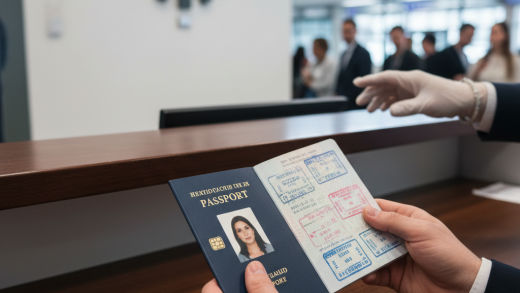
The signature on your passport serves as an official verification of your identity. It’s the first line of defense against potential misuse and fraud. A properly signed passport helps customs and immigration officials confirm that you are the rightful holder of the document. Without a signature, your passport is technically invalid and could cause travel complications.
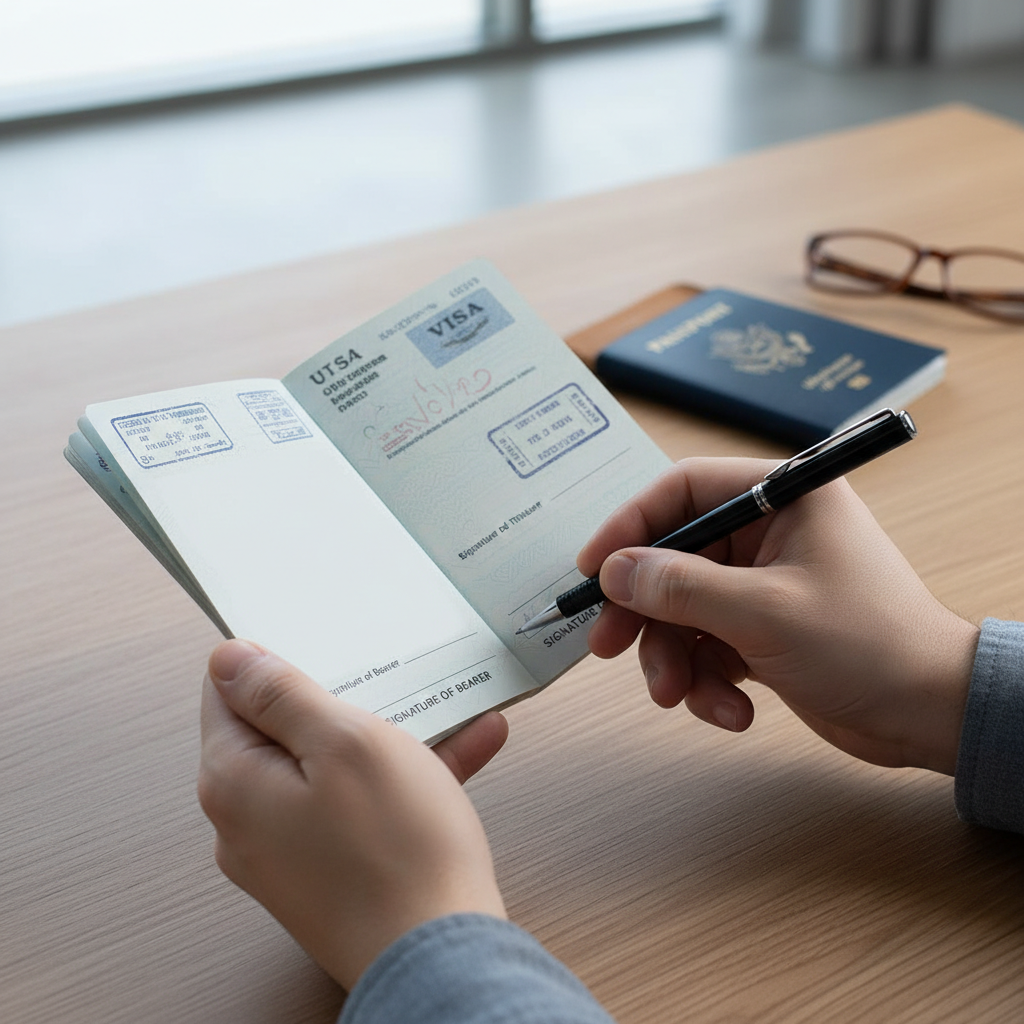
The signature field is located on the inside of the passport, on the page directly opposite the photo page. This is usually the second page of your passport, and it’s clearly labeled with the words ‘Signature of bearer’. The signature box is a rectangular area specifically designated for your signature.
To sign your passport, use a ballpoint pen with black or blue ink. It’s important to use either black or blue ink, as these colors are standard for official documents. Other colors, like red or green, might not be accepted, and could lead to your passport being questioned or rejected. Avoid using gel pens or felt-tip pens, as these inks can sometimes smudge or fade over time, potentially compromising the signature’s legibility.
When signing, your signature should generally match the signature on your other official identification documents, such as your driver’s license. While an exact match isn’t always possible, especially if your signature has evolved over time, the goal is to create a signature that is clearly identifiable as yours. This consistency helps officials easily verify your identity.
Make sure your signature fits neatly within the designated box. Don’t let it extend outside the lines, as this could make it difficult to read or be considered invalid. Take your time and sign clearly. A legible signature is more likely to be accepted without question.
If you make a mistake while signing, do not attempt to erase or alter the signature. Instead, contact the National Passport Information Center immediately or your local passport agency for instructions. Attempting to correct a signature with correction fluid or by scratching it out could render your passport invalid. It’s always best to err on the side of caution and get professional guidance.
What if you are unable to sign your passport? There are specific scenarios where an individual may be unable to sign their passport. These situations often require special procedures. For instance, if you are a minor (under the age of 16), a parent or legal guardian will sign on your behalf. Details about this process are provided by the State Department on their website.
For individuals with disabilities that prevent them from signing, special accommodations may be necessary. In these instances, a witness can sign on behalf of the passport holder, and provide appropriate documentation. The State Department provides specific guidance for these situations.
Once you have signed your passport, it’s important to take steps to protect it. Keep your passport in a safe place when you are not traveling, such as a fireproof safe or a secure drawer. Avoid exposing it to extreme temperatures or moisture, as this can damage the document and render it invalid.
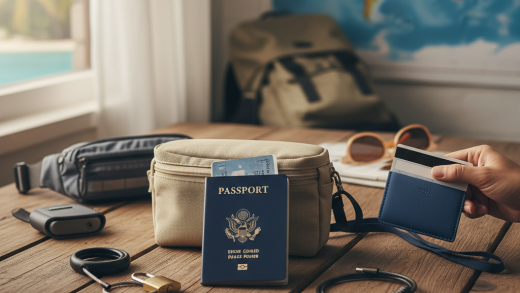
When traveling, always carry your passport with you, especially when crossing borders. Keep it in a secure location, like a money belt or a secure pocket, to prevent theft or loss. Always be aware of your surroundings, and avoid displaying your passport unnecessarily.
The passport itself contains security features that make it difficult to counterfeit. These include watermarks, security threads, and holographic images. These features work in conjunction with your signature and photo to verify your identity. The signature is an important component of the identity verification process.
- Unsigned passport: As mentioned earlier, an unsigned passport is technically invalid.
- Altered signature: Any alteration or attempted erasure of the signature can render it invalid.
- Damage to the passport: Significant damage, such as water damage, tears, or missing pages, can make your passport invalid.
- Expired passport: Passports have an expiration date, and traveling with an expired passport is not permitted.
- Name change: If your name changes due to marriage or other legal reasons, you must update your passport.
If you have any questions about signing your passport or its validity, the best source of information is the official website of the U.S. Department of State. The website provides comprehensive information about passport requirements, applications, renewals, and other travel-related topics.
You can also contact the National Passport Information Center for assistance. They can answer your questions and provide guidance on any passport-related issues. Their contact information is readily available on the State Department website.
- Keep your passport in a safe place at home.
- Carry your passport in a secure location while traveling.
- Report a lost or stolen passport immediately to the authorities.
- Be cautious about sharing your passport information online.
If you lose your passport while traveling, report it immediately to the local police and the nearest U.S. embassy or consulate. They can assist you with obtaining a replacement passport so you can return home. Delaying the report could complicate matters, so prompt action is essential.
The signature on your passport is not just a formality; it is an essential part of its validity and security. By following the guidelines outlined in this article, you can ensure that your passport is properly signed and ready for your international adventures.
- Use a black or blue ballpoint pen.
- Sign within the designated box.
- Make sure the signature is legible.
- Do not alter or erase the signature.
- Keep your passport safe.
Properly signing your passport is a simple step that can save you a lot of trouble down the line. It ensures that your passport is valid, and it protects you from potential issues while traveling. By taking a few moments to sign your passport correctly, you’re one step closer to your next international adventure.
- Can I use a pen other than black or blue? While it’s technically possible, it is not recommended. Black or blue ink is the standard for official documents. Other colors may lead to questions about the validity of your passport.
- Can I use a pencil? No. Pencils are not acceptable for official signatures. They can be easily erased, which compromises the integrity of the document.
- What if my signature changes over time? That’s okay. Your signature doesn’t need to be an exact match, but it should be clearly recognizable as yours.
- What if I make a mistake? Do not attempt to correct it. Contact the passport agency immediately for guidance.
- Who signs a minor’s passport? A parent or legal guardian signs on behalf of the minor.
- Make copies: Make copies of your passport’s information page and keep them separate from your passport. This can be helpful if your passport is lost or stolen.
- Store digitally: Scan your passport and store it securely on a device or in a cloud storage.
- Register with the State Department: Enroll in the Smart Traveler Enrollment Program (STEP). This service allows the State Department to contact you in case of an emergency.
- Be aware of scams: Be cautious of anyone who asks for your passport information or offers to expedite your passport for a fee.
By following these guidelines, you can ensure that your passport is a valid and secure travel document, allowing you to explore the world with confidence.
The journey of a thousand miles begins with a single step, and for international travel, that step often begins with a correctly signed passport. Enjoy your travels!
In conclusion, signing your passport correctly is an important step in ensuring its validity and security. By following the guidelines outlined in this comprehensive guide, you can be confident that your passport is ready for your international adventures. Safe travels!