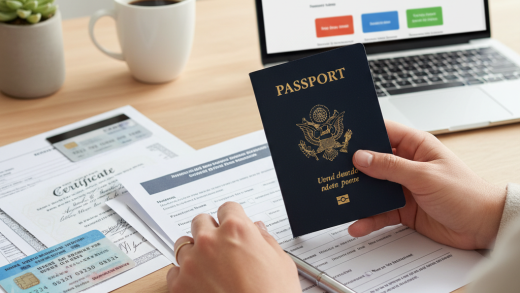
Traveling or living abroad comes with the responsibility of adhering to the immigration laws of the host country. One of the most common yet serious violations is overstaying a visa. An overstay occurs when a foreign national remains in a country past the validity date stamped in their passport or granted by their electronic visa. While it may sometimes happen due to an oversight or emergency, immigration authorities generally view it as a violation of national sovereignty.
The consequences of overstaying can range from minor inconveniences to life-altering legal hurdles. Depending on the jurisdiction and the duration of the overstay, penalties may include substantial financial fines calculated on a daily basis, immediate deportation, detention in holding facilities, and inclusion on ‘blacklists’ that prevent future entry. In severe cases, an overstay in one country can even affect your ability to obtain visas for other nations, as immigration databases are increasingly shared globally.
Prerequisites for Managing Visa Status
Before diving into the steps to avoid or resolve an overstay, ensure you have the following information and documents ready:
- Current Passport: Check the entry stamp or visa sticker.
- Digital Visa Records: Access to the online portal if you used an e-visa.
- Flight Itinerary: Proof of your intended exit date.
- Local Immigration Contact Info: The address and website of the nearest immigration office.
Step 1: Accurately Identify Your Expiry Date
The most common cause of overstaying is a misunderstanding of the visa validity. Do not confuse the validity of the visa (the window of time you can use the visa to enter) with the duration of stay (how long you can remain after entry). Check your physical passport stamp immediately upon arrival. Immigration officers may grant fewer days than the maximum allowed by your visa type. Set a calendar reminder for at least one week before this date.
Step 2: Understand the Extension Process
If you anticipate needing more time in the country, do not wait until the last minute. Visit the official immigration website of the host country to check if your visa type is renewable. Most countries require you to apply for an extension at least 7 to 14 days before your current visa expires. You will typically need to provide a valid reason, proof of funds, and a return ticket. Never rely on third-party agents unless they are accredited legal representatives.
Step 3: Know the Rules on ‘Grace Periods’
Some countries offer a short ‘grace period’ (often 24 to 72 hours) after a visa expires where no fine is levied, primarily to account for flight delays or logistical issues. However, this is the exception, not the rule. Do not assume a grace period exists. If you are relying on a grace period to leave the country, ensure you have hard evidence of your departure travel plans, as officers have the discretion to waive or enforce penalties.
Step 4: Handling an Accidental Overstay
If you discover you have already overstayed, do not try to hide. The longer you wait, the worse the penalties become. The best course of action is generally to voluntarily present yourself to immigration authorities to pay the fine and regularize your status. Voluntary surrender often results in lighter penalties compared to being caught at a checkpoint or during a raid. Be prepared to pay daily fines immediately; failure to pay can lead to detention.
Step 5: Clearing Your Record for Future Travel
After resolving an overstay, keep all documentation regarding the payment of fines and your exit stamp. When applying for future visas to any country, you must be honest if asked about previous overstays. Providing false information is a separate offense that can lead to a permanent ban. If you received a re-entry ban (blacklisting), you may need to hire an immigration lawyer to appeal the ban after a specific period has elapsed.
Conclusion
Avoiding overstay penalties requires vigilance and proactive planning. By understanding the specific terms of your entry, setting reminders, and applying for extensions well in advance, you can enjoy your travels without the stress of legal repercussions. Remember, immigration laws are strict, and ignorance of the law is rarely accepted as a valid defense.