Relocating to a new country is a transformative experience that offers fresh opportunities for personal growth, career advancement, and cultural immersion. However, the bridge between dreaming of a life abroad and actually living it is often built on complex paperwork: the long-term residence visa. Unlike tourist visas, which grant short stays, a long-term residence visa allows you to live, and often work or study, in a foreign nation for an extended period, typically ranging from one to five years or more. Navigating the immigration landscape can be daunting due to varying regulations across different countries. This guide provides a comprehensive, step-by-step approach to help you secure your legal status in your dream destination.
Understanding Visa Categories
The first step in your journey is identifying the specific type of residence permit that aligns with your purpose of moving. Immigration laws are specific, and applying for the wrong category can lead to immediate rejection. Common categories include:
- Employment Visas: For individuals who have secured a job offer from a company within the host country.
- Student Visas: For those enrolled in accredited educational institutions for degree programs.
- Investment or Golden Visas: For individuals willing to invest a significant amount of capital in real estate or local businesses.
- Family Reunification: For those joining a spouse, parent, or child who is already a legal resident or citizen.
- Retirement Visas: Designed for pensioners who can prove a steady passive income without the need to work.
Step 1: Assess Your Eligibility and Requirements
Once you have identified the correct visa category, you must conduct a thorough eligibility check. While specific requirements vary by country, the core pillars of eligibility usually remain consistent. You will generally need to prove financial stability to ensure you will not become a burden on the state’s welfare system. This often involves submitting bank statements covering the last 3 to 6 months. Additionally, a clean criminal record is non-negotiable; you will likely need to provide a police clearance certificate from your home country. Health insurance coverage is another critical requirement, as many countries require immigrants to hold a comprehensive policy before their arrival.
Step 2: Gather and Authenticate Documents
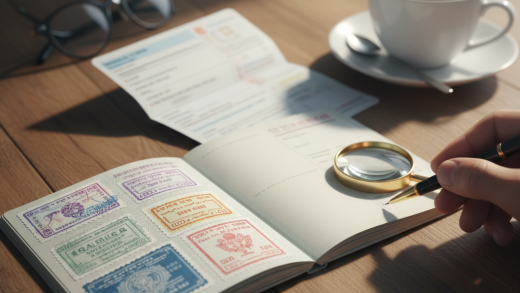
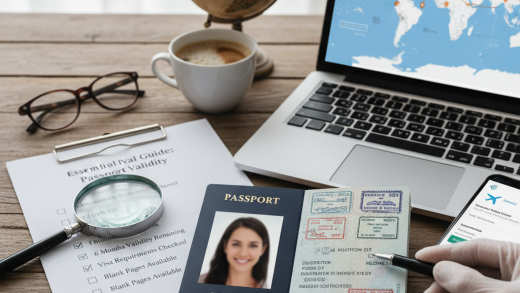
Documentation is the backbone of your application. Missing a single stamp or signature can cause months of delay. Start by gathering your standard identification documents, such as a passport valid for at least six months beyond your intended stay, birth certificates, and marriage certificates if applicable. Crucially, many countries require these documents to be apostilled or legalized to be recognized internationally. You may also need to have your documents translated into the official language of the destination country by a certified translator. Create a checklist and organize your physical and digital copies meticulously.
Step 3: Submit the Application
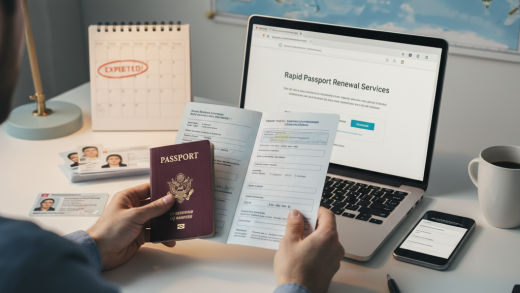
With your documents ready, you can proceed to the formal application. This process has increasingly moved online for many developed nations, but others still require physical submission at an embassy or consulate. When filling out the application forms, ensure that every piece of information matches your supporting documents exactly. discrepancies in dates, spelling of names, or addresses can raise red flags. Be prepared to pay a non-refundable visa processing fee, which can range significantly depending on the country and visa type. Keep the receipt, as it is often required as proof of submission.
Step 4: Attend the Interview and Biometrics Appointment
After your initial application is reviewed, you will likely be summoned for an in-person interview at the nearest consulate or a designated visa application center. During this interview, a consular officer will verify your intentions. They may ask questions about your job, your financial means, and your ties to your home country to ensure you are not a flight risk or intending to overstay. During this visit, you will also provide biometric data, such as fingerprints and digital photographs, which are used to create your residence card or identity document.
Step 5: Approval and Registration
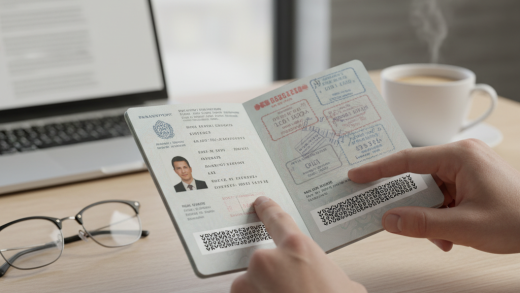
Once your visa is approved, you will typically receive a visa sticker in your passport that allows you to enter the country. However, the process rarely ends there. Upon arrival in your new country, you usually have a limited window (often 30 to 90 days) to register with local authorities. This step is vital to convert your entry visa into a formal temporary residence permit (TRP). You may need to visit a local immigration office, town hall, or police station to declare your address and receive your physical residence card.
Conclusion
Securing a long-term residence visa is a rigorous process that demands patience, attention to detail, and careful planning. By understanding the specific requirements of your chosen destination and strictly following the legal procedures, you can minimize the risk of rejection. Remember that immigration laws change frequently, so consulting with an immigration lawyer or checking the official government embassy website is always recommended. With your residence permit in hand, you can confidently embark on your new life abroad, knowing your legal status is secure.