
Italy’s Uncrowded Medieval Gem Offers a Welcome Escape From Over-Tourism and Inflated Prices
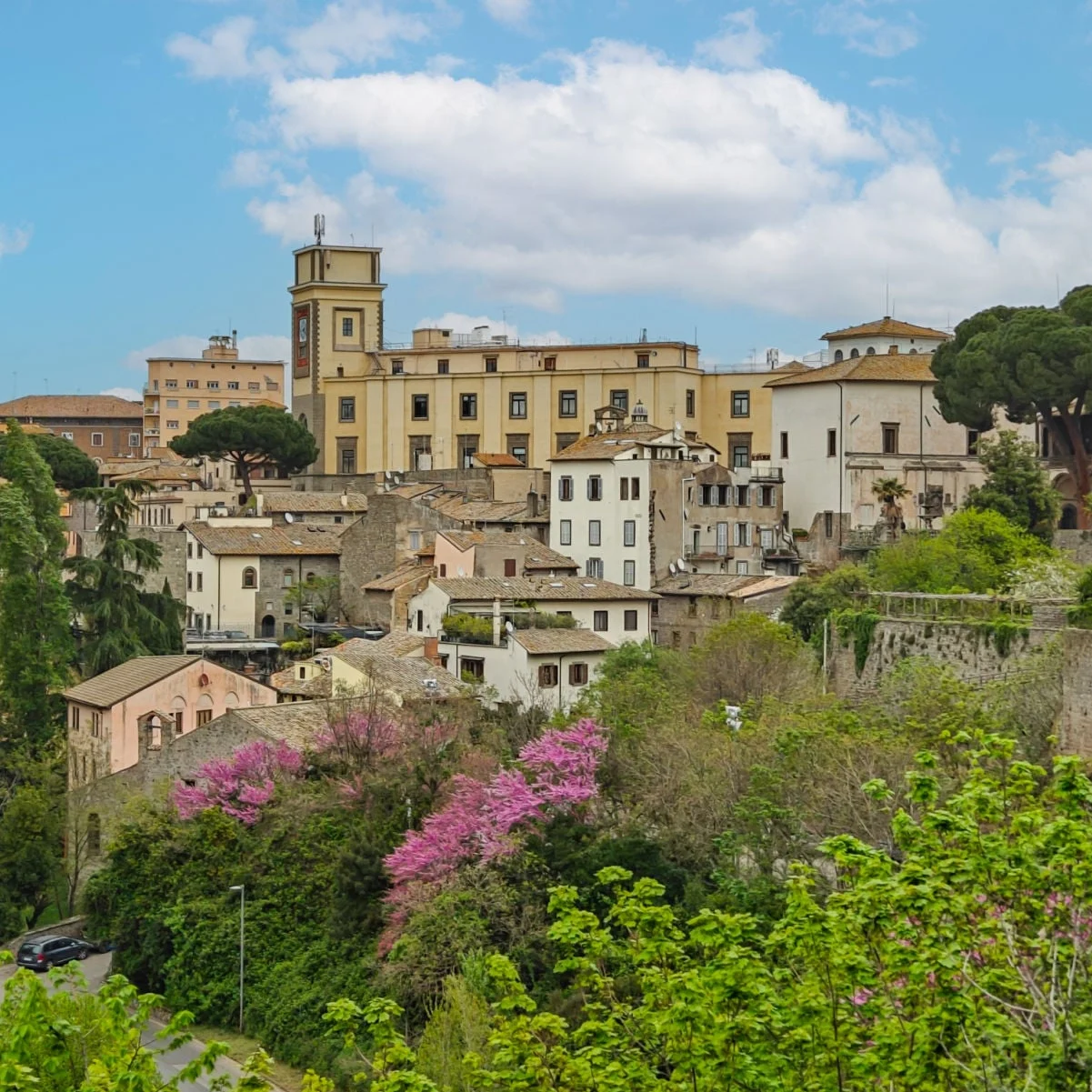
From Rome’s ancient wonders and Florence’s Renaissance masterpieces to the dramatic, sun-drenched cliffs of the Amalfi Coast, Italy continues to draw global travelers in record-breaking numbers. Recent data from Eurostat highlighting tourism trends for the first half of the year placed Italy ahead of neighboring travel heavyweights Spain and France in overall volume, logging an impressive milestone of over 65 million overnight stays.
For millions of visitors, the country remains the ultimate destination for experiencing timeless Old World charm, historic architecture, and world-renowned gastronomy. However, the luster of peak-season travel can quickly fade when reality sets in. Visitors often find themselves enduring hour-long queues just to step inside a historic church, navigating densely packed streets where personal space is a luxury, and facing inflated menus in tourist-heavy districts where a basic plate of pasta can easily cost $30.
For travelers planning a European getaway who want to bypass the congestion, astronomical prices, and exhaustion associated with the nation’s most famous capitals, an under-the-radar medieval city just north of the capital offers a compelling alternative. Blending deep historical roots with significantly better pricing and authentic local hospitality, this lesser-known destination provides the quintessential Italian experience without the modern logistical headaches of central Rome.
Italy’s Most Impressive Medieval City
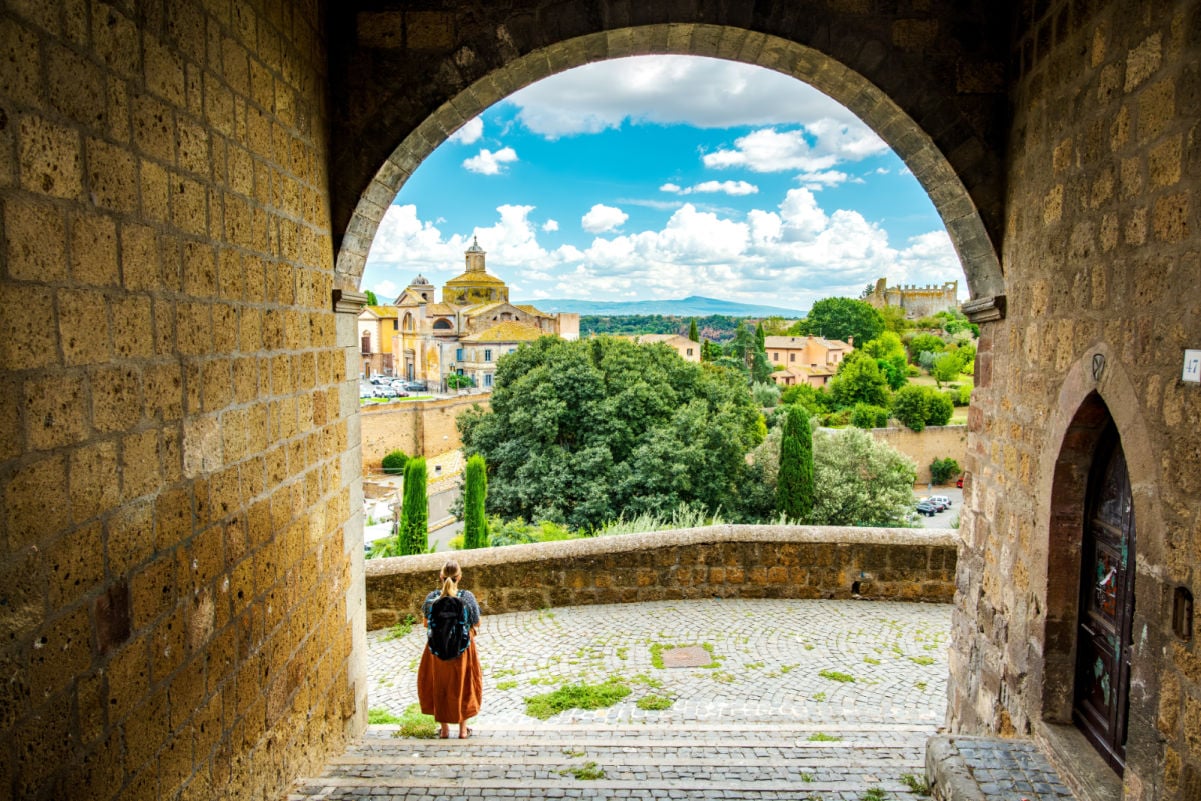
Situated just a short distance north of Rome within the picturesque Lazio region, Viterbo stands out as a culture-rich ancient city that seamlessly bridges ancient Etruscan heritage with remarkably intact medieval urban planning. Historically celebrated as the "City of the Popes," Viterbo offers an extraordinary density of historical sightseeing opportunities largely free of the crushing crowds that plague more heavily marketed Italian destinations.
The city’s architectural preservation is among the finest in Central Italy, offering visitors a genuine window into the past. While major tourism hubs struggle with crowd management and commercialization, Viterbo maintains an atmosphere of quiet dignity, where ancient stone walls, medieval fountains, and tranquil piazzas remain central to daily life rather than acting merely as backdrops for mass tourism.
Why You Should Visit Right Now
Choosing the right time of year to explore Central Italy can dramatically alter the travel experience, and the late autumn season—particularly November—serves as an ideal window for visiting Viterbo. The intense summer heat that frequently bakes the Lazio region gives way to crisp, comfortable autumn weather, making the exploration of the city’s steep, labyrinthine cobblestone streets far more pleasant.
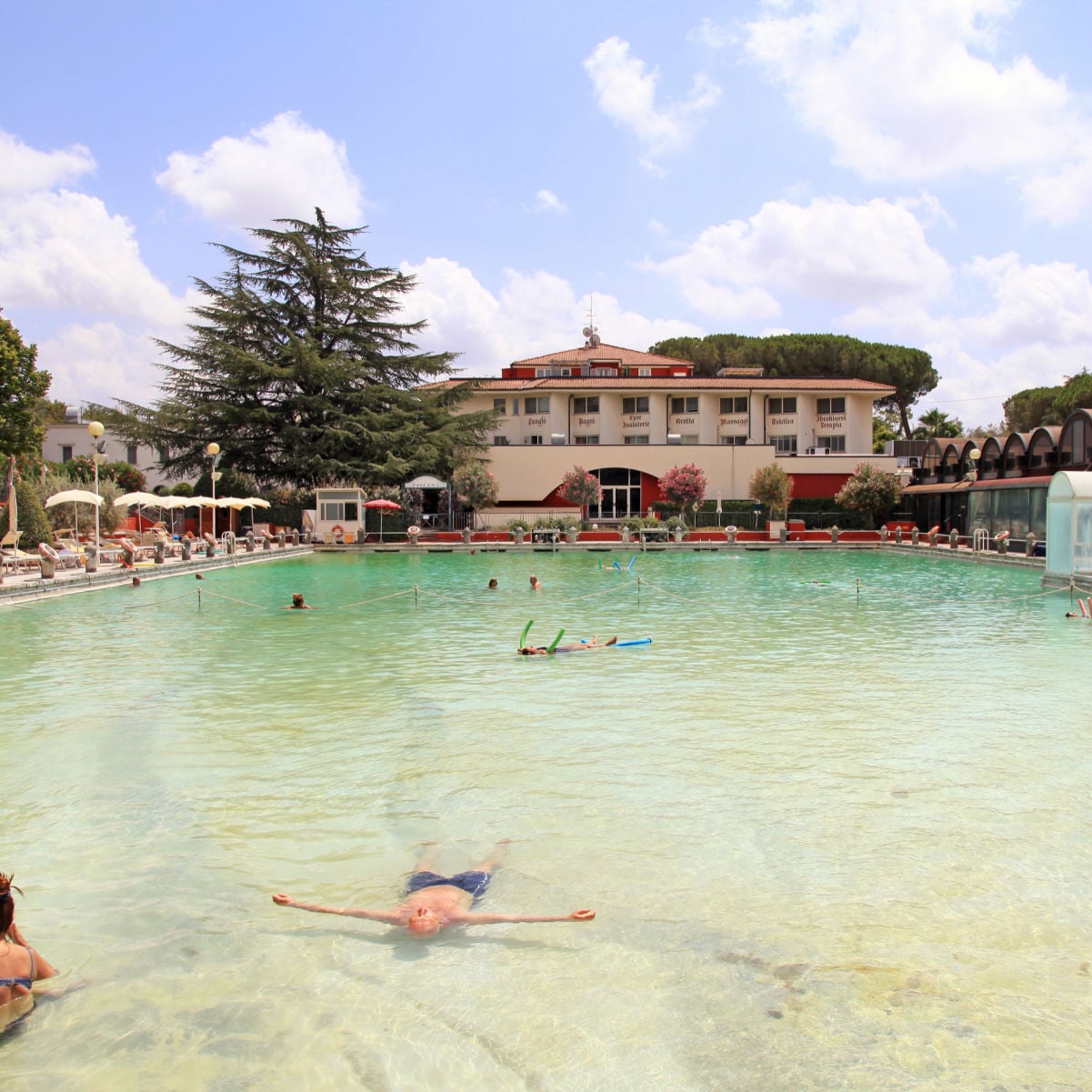
More importantly, the drop in ambient temperatures transforms one of the region’s most distinctive natural features: the local hot springs. Soaking in the steaming, mineral-rich volcanic waters of the renowned Terme dei Papi offers a far more rewarding and atmospheric experience with a touch of autumn chill in the air than it does during the sweltering peak of July.
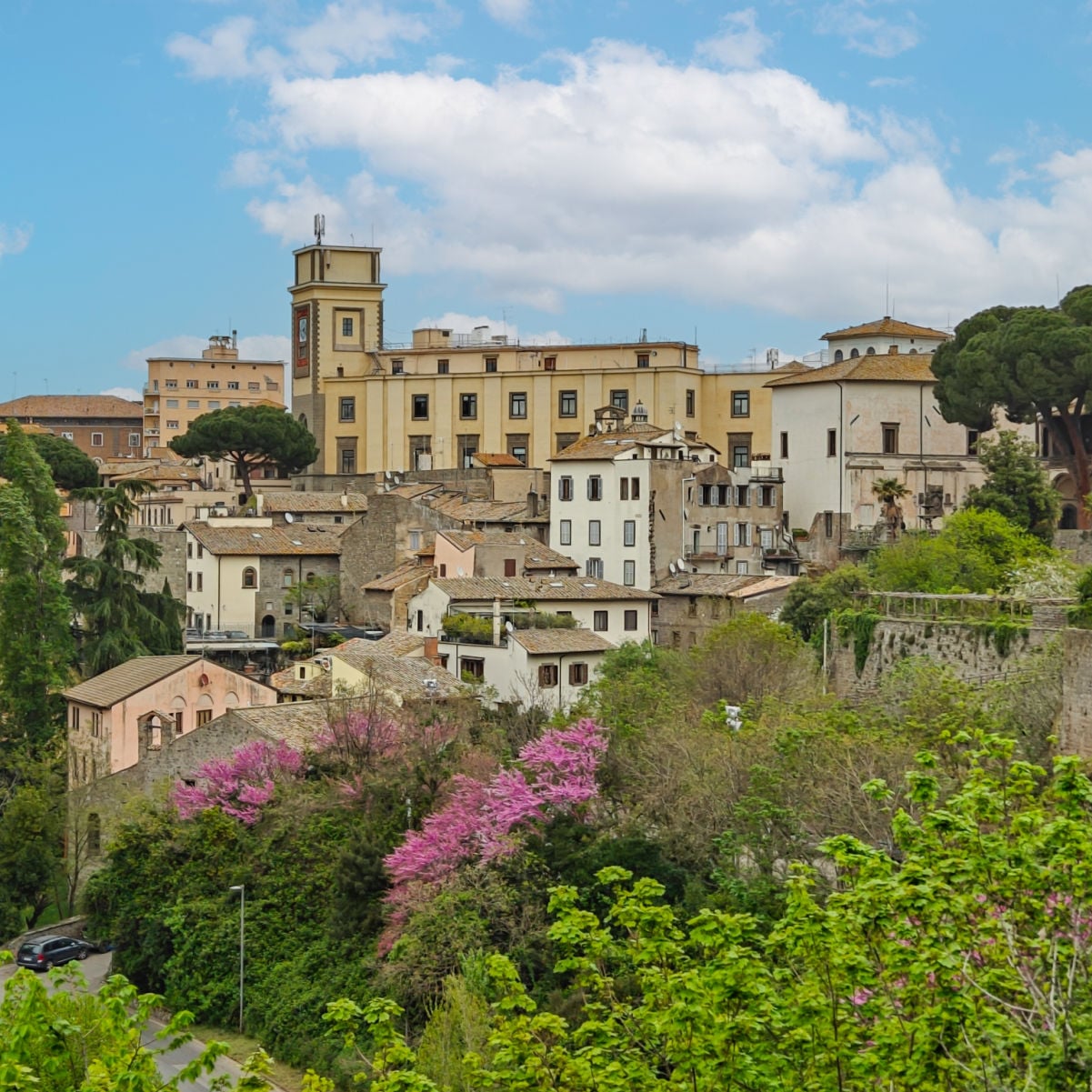
Furthermore, traveling during this shoulder season ensures that visitors can experience the destination’s authentic restaurants, traditional artisan shops, and medieval squares entirely free of the day-tripper influx that typically spills over from Rome during the peak spring and summer months.
A Walk Through The Middle Ages
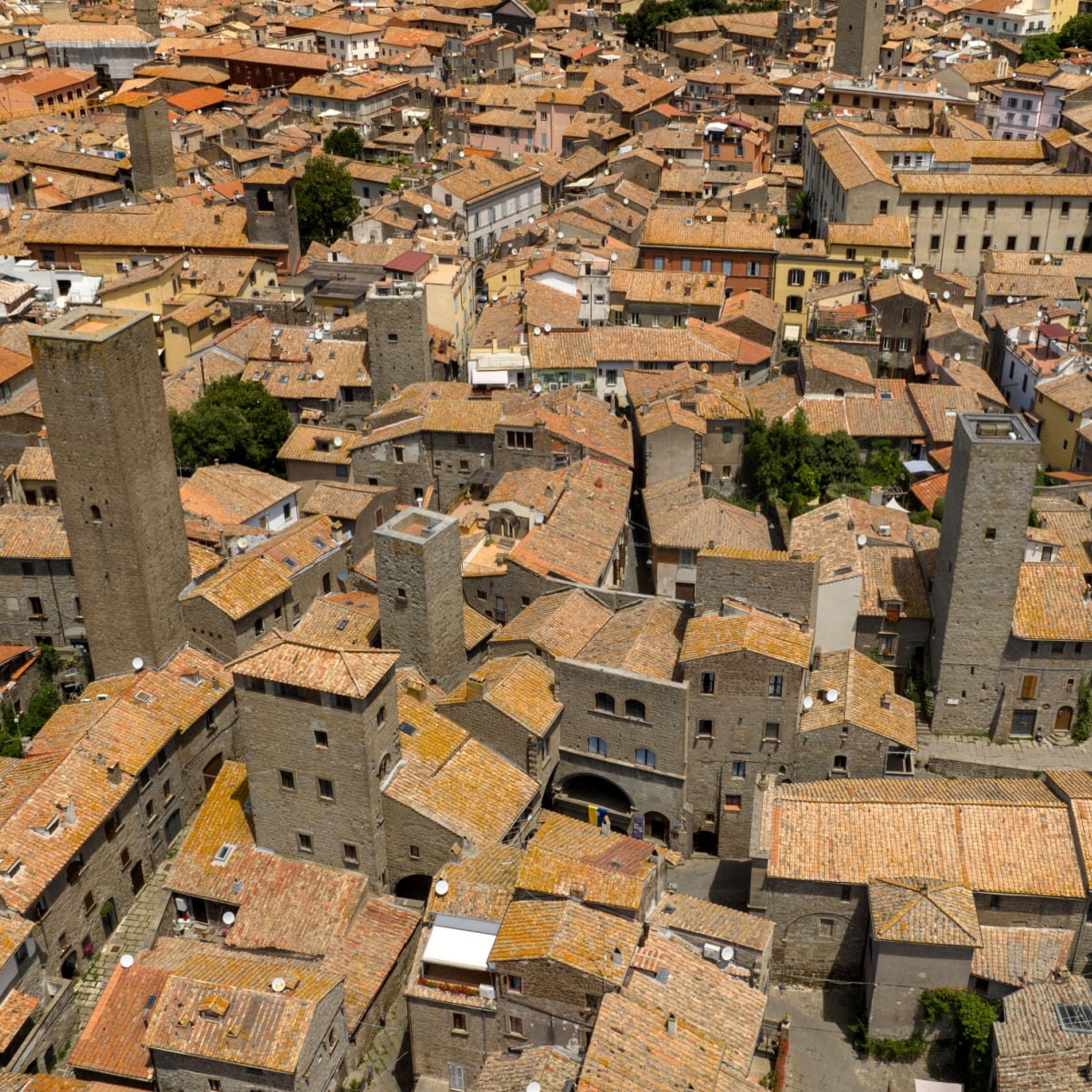
While many historic Italian cities retain pockets of antiquity, Viterbo elevates historical preservation to an entirely different standard. The San Pellegrino district stands out as one of the best-preserved medieval neighborhoods in all of Europe, maintaining its authentic urban layout virtually unchanged over the centuries.
Wandering through San Pellegrino reveals a dense network of narrow, winding lanes, graceful arcaded plazas, and sharply defined medieval quarters. The district is characterized by intact stone alleyways and historic residences connected by overhead bridge passageways. Many of these homes feature traditional external stairways known locally as profferli, architectural elements that underline the unique domestic design of the medieval era.
This historic core functions as a living community rather than an open-air museum. Artisans, local residents, and neighborhood gathering spots inhabit the ancient structures, ensuring that the medieval atmosphere is supported by authentic local culture rather than commercial artifice.
The Real-Life Palace of the Popes
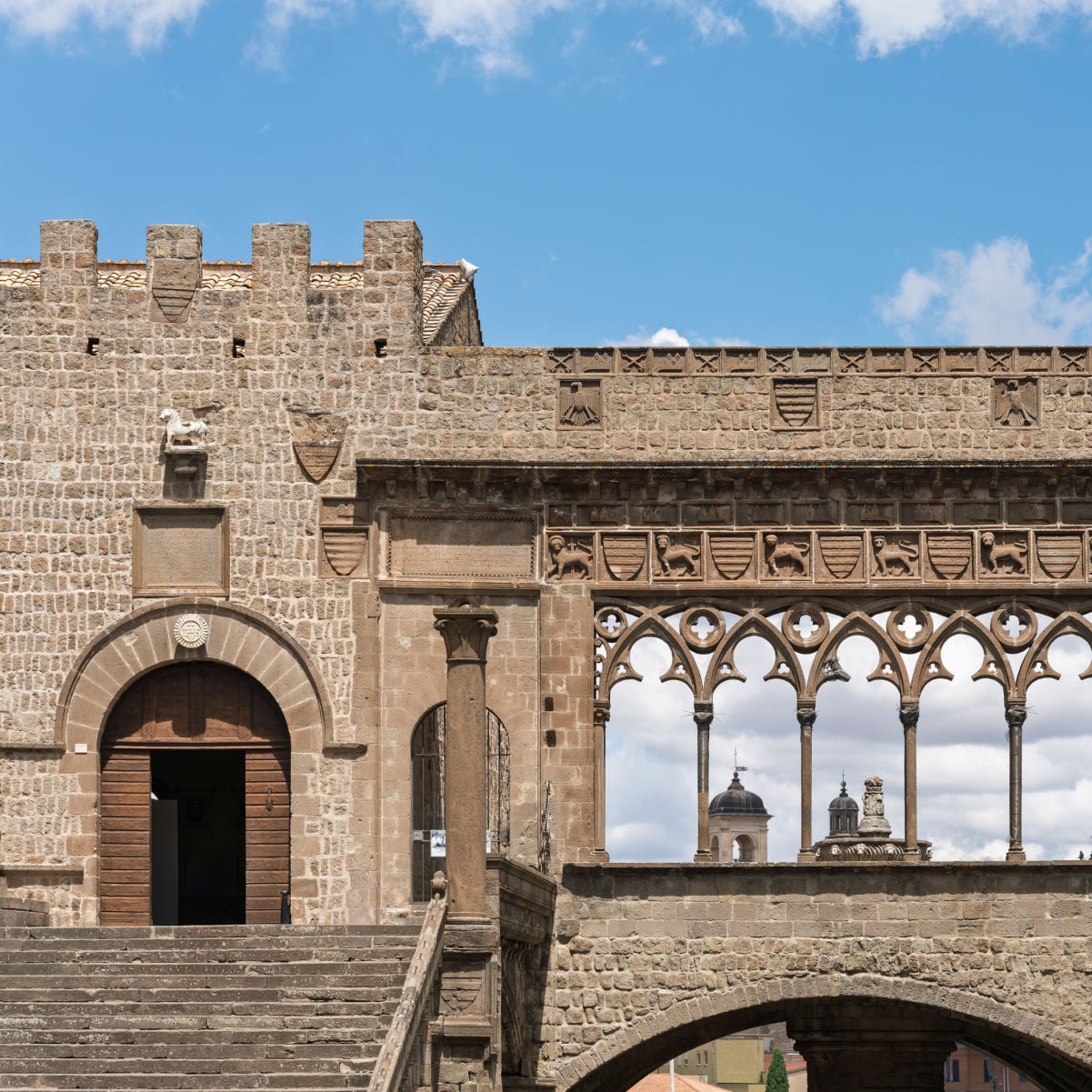
A stroll through Viterbo’s historic center evokes the feeling of stepping directly into a storybook, with no site more prominent than the Palazzo dei Papi, or the Palace of the Popes. During the 13th century, Rome was wracked by intense political strife and bitter internal disputes, prompting the papacy to temporarily relocate its primary seat of power to Viterbo in search of security and stability.
The resulting architectural masterpiece features a breathtaking columned loggia adorned with pointed arches and intricate stone tracery overlooking the surrounding valley. The palace is also famously home to the Sala del Conclave, the site of one of the most prolonged and consequential papal elections in history. Following the death of Pope Clement IV, the cardinals assembled in Viterbo became so deadlocked that the election dragged on for a staggering 33 months. Frustrated by the delay, local citizens eventually locked the cardinals inside the hall—even removing portions of the roof—to force a decision, an event that permanently reshaped the procedures of the Catholic Church.
Today, the historic palace welcomes visitors daily, excluding Fridays, offering cultural access with adult admission priced at €10 and free entry for children under the age of 12.
Unbeatable Culinary Authenticity & Hot Springs
Because Viterbo caters primarily to its resident population rather than an overwhelming volume of international tourists, local commerce and dining remain grounded in the regional economy. Visitors dining out find themselves seated alongside local residents in unpretentious neighborhood osterias rather than tourist-trap establishments.
The culinary tradition here heavily emphasizes rich, hearty Lazio classics, including handmade pastas prepared with traditional local techniques. Enjoying a generous, high-quality plate of authentic pasta for roughly $12 is a standard part of the daily dining experience, offering a stark contrast to the heavily inflated restaurant pricing found in central Rome or Florence.
Beyond its culinary offerings, the city sits atop a vast network of natural volcanic hot springs. The Terme dei Papi complex harnesses these geothermal resources, providing expansive outdoor thermal pools filled with warm, mineral-dense spa waters that have attracted bathers seeking relaxation and restorative benefits for centuries.
Viterbo Is One Of Italy’s Most Affordable Cultural Getaways
In addition to offering a respite from crowded tourist circuits, Viterbo provides a remarkably budget-friendly alternative for travelers exploring Central Italy. The city is easily accessible from the capital, making it a viable day trip or an independent multi-day destination.
The most straightforward transit route involves taking a regional train from Rome’s major transit hub, Roma Termini, directly to the Viterbo P. Fiorentina station. The journey takes approximately one hour and forty-three minutes, with standard ticket prices ranging affordably between €8 and €23.
Upon arrival, Viterbo’s compact historic center is easily navigable on foot, allowing visitors to explore its architectural landmarks without the need for costly private transport. For those wishing to travel beyond the immediate historic core, the local Francigena municipal bus network provides extended coverage throughout the wider urban area, with tickets readily available at local tobacconists for a modest €0.70 for a standard 90-minute journey.
| Source | : | Open Passport |
| Author | : | Neng Nana |
| Editor | : | Open Passport Editorial Team |
