
Fodor’s Releases Annual ‘No List’ Highlighting 8 Global Destinations to Reconsider Visiting Amid Overtourism Crisis
Every autumn, while much of the travel industry is busy pumping out idealized, sugar-coated “Where To Go” lists, the travel experts at Fodor’s drop the reality check that the global tourism ecosystem desperately needs: The No List.
Regarded as one of the most important pieces of travel journalism published throughout the year, The No List is neither a permanent ban nor a malicious boycott. Instead, it serves as a critical spotlight on the destinations that are currently buckling under the weight of their own popularity. These are iconic regions and communities where unchecked, booming tourism is causing tangible, long-term harm—whether that means a collapsed local housing market, a thoroughly degraded and destroyed local ecosystem, or everyday residents being pushed past their absolute limits.
Sometimes, travel industry analysts suggest, the best thing a conscientious traveler can do for a destination they deeply love is to give it some breathing room. According to Fodor’s comprehensive deep dive into the current state of global overtourism, there are eight prominent destinations worldwide that travelers should seriously reconsider visiting in the coming year.
1. The Albanian Riviera
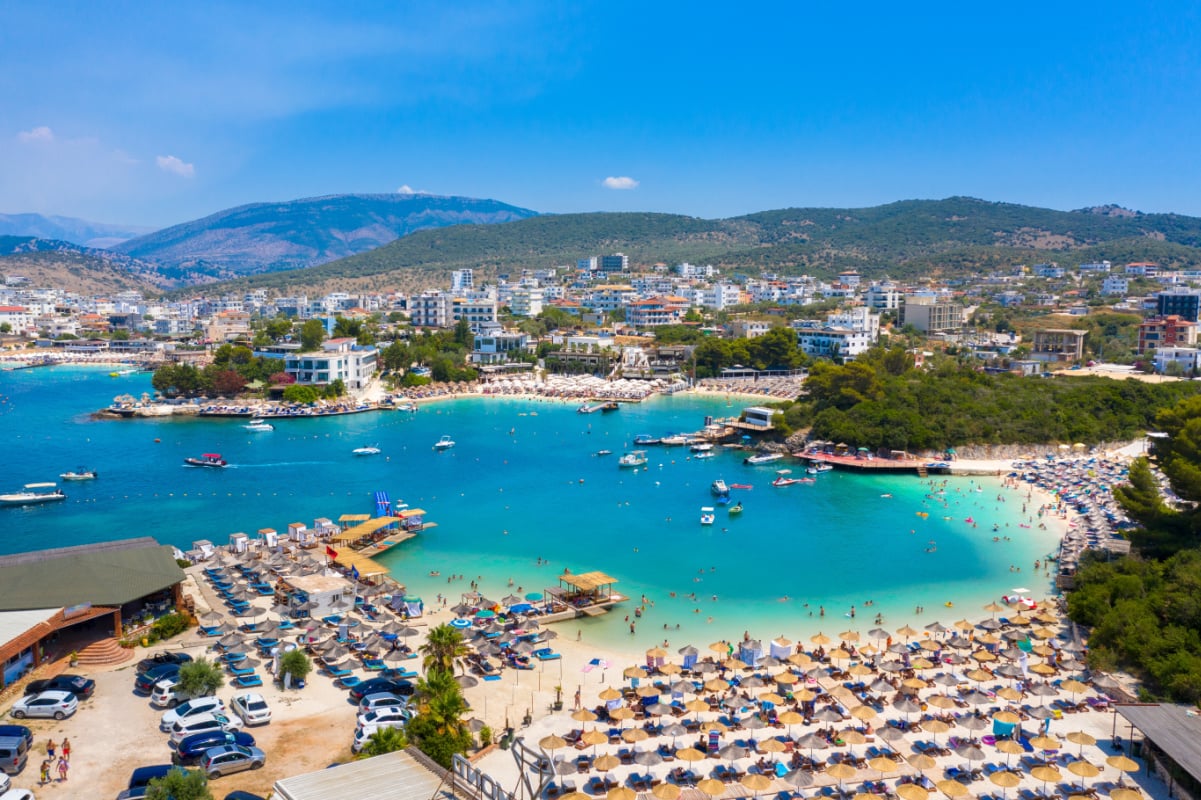
Over the last few years, social media platforms like TikTok and Instagram have aggressively pushed the Albanian Riviera as the “cheaper Maldives” or the “next Greece.” Naturally, once the secret got out, it began destroying the very authentic charm that made the region special in the first place. Albania saw record-shattering visitor numbers throughout recent years, and its southern coastal beach towns simply do not possess the infrastructure required to handle the influx.
The consequences of this sudden boom have been stark. Unregulated hotel construction and severe wastewater management issues are actively threatening local marine parks. Industry experts suggest that travelers interested in the Balkans might look toward inland wild rivers or plan off-season visits as wiser, less impactful choices.

2. The Amalfi Coast, Italy
Italy’s world-famous Amalfi Coast has been grappling with the crushing effects of overtourism for years, but the situation has recently reached an undeniable breaking point. The entire region is serviced by a fragile, narrow two-lane cliffside road known as the SS163 Amalfitana. During peak seasons, this vital artery is entirely gridlocked by an endless stream of massive tour buses, taxis, and rental cars.
This daily congestion leaves local residents stranded and frequently traps emergency vehicles when urgent medical or fire response is required. The housing situation has similarly collapsed under the weight of mass short-term rentals. Analysts recommend winter ferry travel or exploring alternative regions like Calabria as more sustainable alternatives.
3. Bali, Indonesia
Bali appeared on Fodor’s No List two years ago, and the environmental pressure on the Indonesian island has only intensified since then. Most alarmingly, Bali is literally drowning in its own waste. Because the local municipal infrastructure cannot handle the massive volume of garbage generated by the booming tourism sector, local resorts and communities have increasingly resorted to open-air waste burning.

This practice has created a very real, pressing public health crisis on the island. Unregulated construction and rampant garbage burning are actively destroying traditional rice terraces and local water supplies. For travelers seeking an island escape with a lighter footprint, alternative destinations like Lombok or Siargao offer more pristine environments.
4. Corsica, France
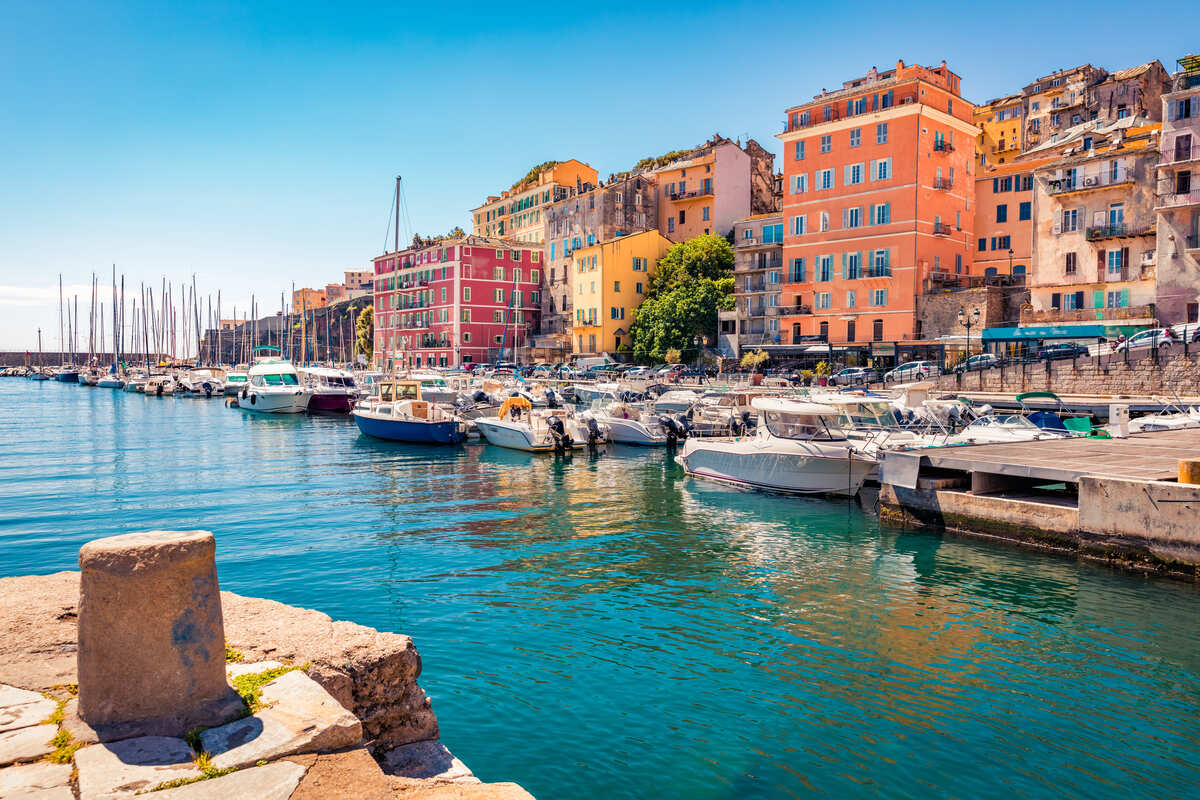
The stunning Mediterranean island of Corsica is currently experiencing a severe housing crisis driven largely by second-home buyers and an overabundance of seasonal tourists. The competition for residential property has driven locals out of the housing market, leading to extreme social tensions.
In response to these mounting pressures, local separatist groups have occasionally gone to extreme, violent lengths to protect their homeland from being entirely commodified by outside interests. For travelers drawn to the Mediterranean, opting for traditional, locally managed hotels or visiting neighboring Sardinia are frequently cited as preferable, less volatile options.
5. Edinburgh, Scotland
Edinburgh’s historic Royal Mile is internationally recognized as one of the most famous and picturesque streets in Europe, but a closer look reveals a startling reality: you will no longer find a single post office, pharmacy, or general practitioner left operating on the street.
The historic center has been completely hollowed out to cater exclusively to short-term vacationers and summer festival crowds. The proliferation of Airbnb properties has decimated residential housing availability during peak seasons. Travelers looking for Scottish culture without contributing to the hollowing out of a historic center might consider cities like Glasgow, which offers a vibrant arts scene and more reasonable economic structures.
6. Kyoto, Japan
When Japan finally reopened its international borders following pandemic-era restrictions, pent-up global demand collided immediately with a weak yen. This economic and cultural convergence turned the ancient, culturally rich city of Kyoto into an overnight bottleneck along Japan’s famous “Golden Route.”

Crushing crowds now routinely overwhelm local public bus networks, making daily life difficult for residents who rely on public transit to get to work or school. Travelers determined to experience Kyoto are urged to undertake extremely early excursions, such as 6:00 AM shrine visits, or to consider exploring alternative cultural hubs like Kanazawa, which offers comparable historic charm with a fraction of the visitor density.
7. Ngorongoro, Tanzania
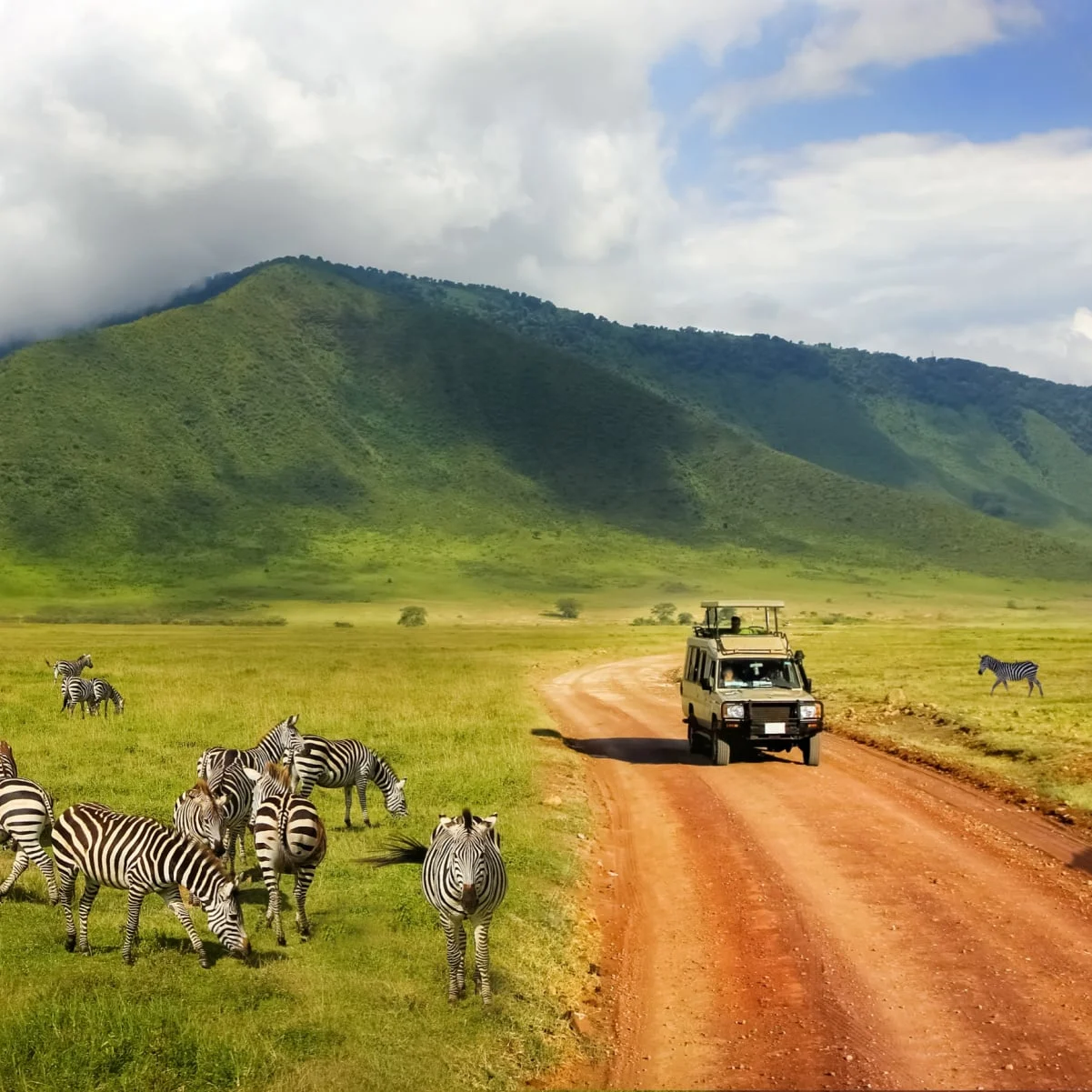
The challenges facing Tanzania’s Ngorongoro highlight the darker, more complex side of international eco-tourism. The Ngorongoro Conservation Area is world-famous for its incredible concentration of wildlife and sweeping natural landscapes, but it is also the ancestral, historic home of the Indigenous Maasai people.
Government-backed restrictions and conservation policies are increasingly pushing the Indigenous Maasai off their ancestral lands to accommodate international safari tourism. Because of these pressing social equity concerns, many ethical travel advocates suggest choosing Kenyan community conservancies as a more responsible alternative that better respects Indigenous rights.

8. Sedona, Arizona
Sedona is a tiny desert city with a permanent population of fewer than 10,000 residents, yet it is forced to absorb roughly 3 million visitors every single year. The core of the problem in this striking Arizona destination is deeply rooted in the explosive growth of the short-term rental market.
Because state laws have historically prevented local municipalities from effectively regulating short-term rentals, residential housing has been swallowed up by investors. This has aggressively priced local workers and families out of the city. Travelers looking to experience the American Southwest landscape without exacerbating local housing shortages are encouraged to base themselves in traditional hotels or explore nearby Flagstaff instead.
| Source | : | Open Passport |
| Author | : | Neng Nana |
| Editor | : | Open Passport Editorial Team |
