
Why Puerto Rico Is the Ultimate Friction-Free Escape for Winter-Weary Travelers
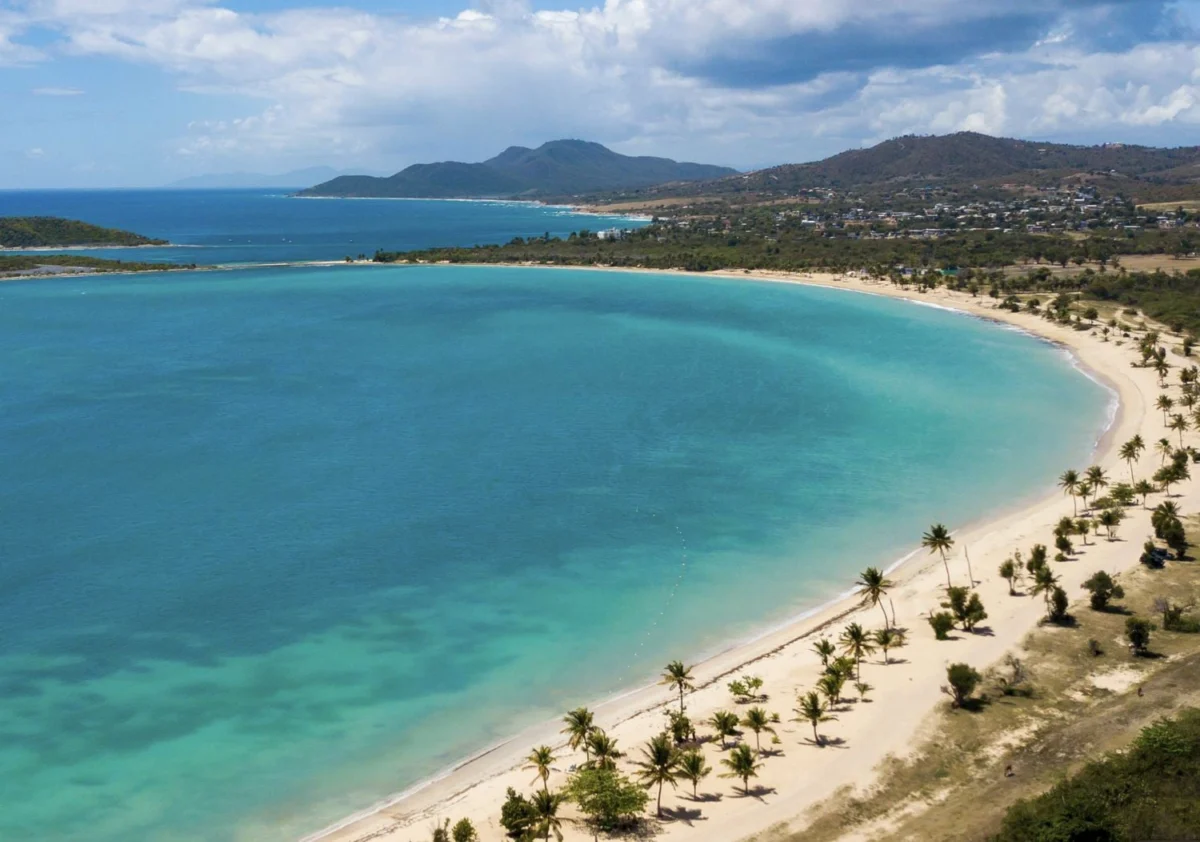
As the morning frost begins to settle across much of the United States, the collective impulse to seek warmth becomes a seasonal priority. For many, the dream of a tropical getaway is often tempered by the logistical realities of international travel: the looming expiration dates on passports, the complexities of customs declarations, and the long-haul flights that can turn a weekend escape into an endurance test. However, there remains a premier Caribbean destination that effectively bypasses these barriers entirely, offering a seamless, high-reward vacation without the need for a single international document.
For U.S. citizens, Puerto Rico is not merely a tropical vacation; it is a domestic flight. It stands as a friction-free travel solution hiding in plain sight, providing an immediate reprieve from the winter cold. Because the island is a U.S. territory, the logistical hurdles that typically accompany an island excursion are nonexistent, making it arguably the most accessible tropical destination for Americans looking to trade freezing temperatures for 85-degree weather with minimal planning.

The Ultimate Domestic Travel Advantage
The convenience of traveling to Puerto Rico becomes apparent the moment one lands at Luis Muñoz Marín International Airport (SJU) in San Juan. The arrival experience is notably efficient, often lacking the administrative delays typical of international gateways. Travelers accustomed to long waits at immigration or the confusion of international terminal navigation will find that stepping off the plane in San Juan feels remarkably like arriving at any major domestic hub. For those who have grown weary of the complexities of global travel, the ability to grab a carry-on bag and move from the tarmac to the tropical heat in a matter of minutes is a significant luxury.
Beyond the speed of arrival, the island removes the friction of currency exchange and connectivity. With the U.S. dollar as the standard currency and domestic mobile networks operating without international roaming fees, the logistical "noise" that usually accompanies travel is silenced. This allows for a focus on the experience itself rather than the management of travel infrastructure.
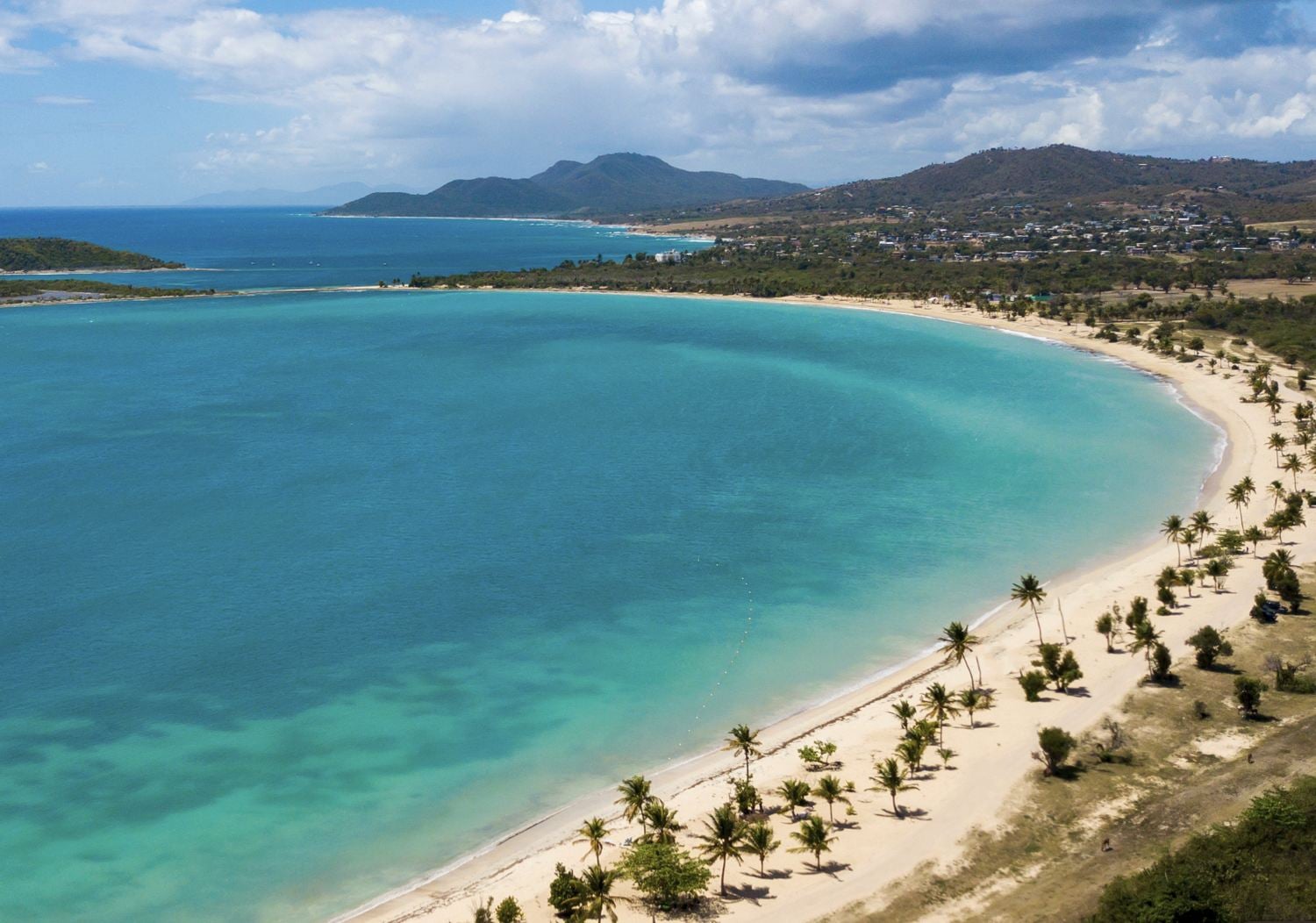
Old San Juan: A European Aesthetic Without the Jet Lag
The true allure of Puerto Rico lies in its ability to offer an exotic, culturally rich experience while maintaining the comfort of domestic travel. A primary example of this is the historic district of Old San Juan. Walking through its streets, the modern world seems to fade into the background, replaced by a atmosphere that feels distinctly European yet deeply rooted in Caribbean heritage.
The city is defined by its narrow, winding streets paved with blue adoquines—cobblestones originally cast from iron slag used as ballast in Spanish ships. These streets are flanked by brightly painted Spanish colonial buildings, many of which feature ornate wrought-iron balconies overflowing with tropical flora. Exploring this district offers a dive into a centuries-old cultural crossroads. Visitors can wander through 16th-century stone fortresses, such as Castillo San Felipe del Morro, which overlook the Atlantic, or simply enjoy the vibrant energy of the plazas. It is a destination that delivers the sensory richness of an old-world European city without the exhaustion of long-haul flights or the necessity of navigating a foreign country.

El Yunque: Trading Beach Chairs for Tropical Rainforest
While the luxury resorts of the Condado district provide an ideal setting for those seeking a weekend of relaxation, the island’s interior offers a vastly different, more adventurous landscape. Renting a car and heading toward the central mountains reveals the true ecological diversity of the territory. Puerto Rico is home to El Yunque, the only tropical rainforest within the U.S. National Forest System.
El Yunque is a stark contrast to the manicured beaches below. It is a dense, mountainous jungle characterized by low-hanging clouds, ancient flora, and a constant, ambient soundtrack provided by the native coquí frogs. Hiking trails, such as the path to the Mount Britton Observation Tower, allow visitors to climb above the tree line for a sweeping perspective of the island. However, travelers should be prepared for the reality of a rainforest environment. Tropical downpours can arrive with little warning, and the steep, rugged trails can become challenging quickly. A rain shell and sturdy footwear are essential for those planning to explore the misty peaks.

Guavate: The Culinary Heartbeat of the Island
For those looking to move beyond the resort bubble, the culinary soul of Puerto Rico can be found along Route 184 in the mountains of Cayey. This area, known locally as the "Pork Highway" or Guavate, is an essential stop for anyone seeking an authentic connection to the island’s food culture.
The mountain road is lined with a series of open-air lechoneras, establishments that specialize in lechon asado—whole, slow-roasted pork cooked on a spit. The process is a communal and sensory experience; diners walk up to the counter, select their portion, and watch as it is carved with a machete. The accompanying sides, such as mofongo (mashed fried plantains with garlic and pork cracklings), round out a meal that defines the local culinary identity. On weekends, these roads become vibrant, bustling centers of activity, often featuring live salsa music and a festive atmosphere that showcases the warmth and hospitality of the mountain communities.

Culebra and the Bohemian Surf Culture of Rincón
Puerto Rico’s coastal diversity is perhaps best exemplified by its smaller islands and the bohemian surf towns on the west coast. For travelers seeking world-class beaches that rival any in the Caribbean, a short puddle-jumper flight or a ferry ride from the town of Ceiba leads to the island of Culebra.
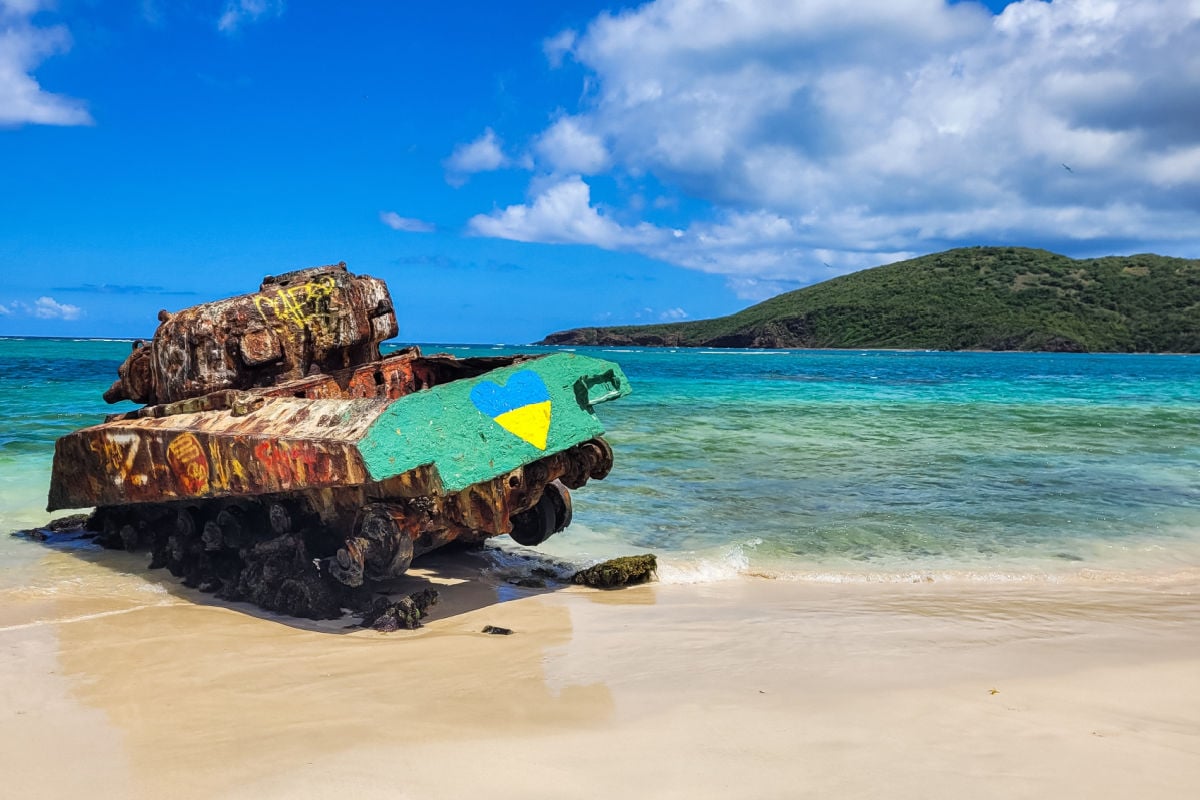
Culebra is home to Flamenco Beach, a stretch of coastline that frequently appears on lists of the world’s most beautiful beaches. Its defining feature is a combination of neon-turquoise water and a unique historical artifact: the rusted, graffiti-covered Sherman tanks left over from military training exercises decades ago. This juxtaposition of pristine natural beauty and gritty history creates an unforgettable visual contrast.
On the opposite side of the main island, the town of Rincón offers a shift in tempo. Known as the surfing capital of the Caribbean, Rincón maintains a laid-back, bohemian identity. Unlike the larger, more commercialized resort areas, Rincón is defined by its surf breaks and sunset culture. Winter months bring significant swells to Domes Beach, attracting surfers from around the globe, while the calmer waters of Steps Beach offer excellent snorkeling. In Rincón, the primary objective is the pursuit of a relaxed pace—finding the best beachfront shack for fresh fish tacos and watching the sun descend directly into the ocean.
Ultimately, Puerto Rico provides a comprehensive travel experience that encompasses deep history, ecological wonders, vibrant culinary traditions, and world-class coastal beauty. By removing the barriers of international travel, the island allows visitors to focus entirely on the exploration of these varied landscapes, proving that an exotic escape does not necessarily require a passport or a departure from the comfort of the familiar.
| Source | : | Open Passport |
| Author | : | Neng Nana |
| Editor | : | Open Passport Editorial Team |
