
Understanding Stucco Exteriors: Durability, Costs, and What Homebuyers Need to Know
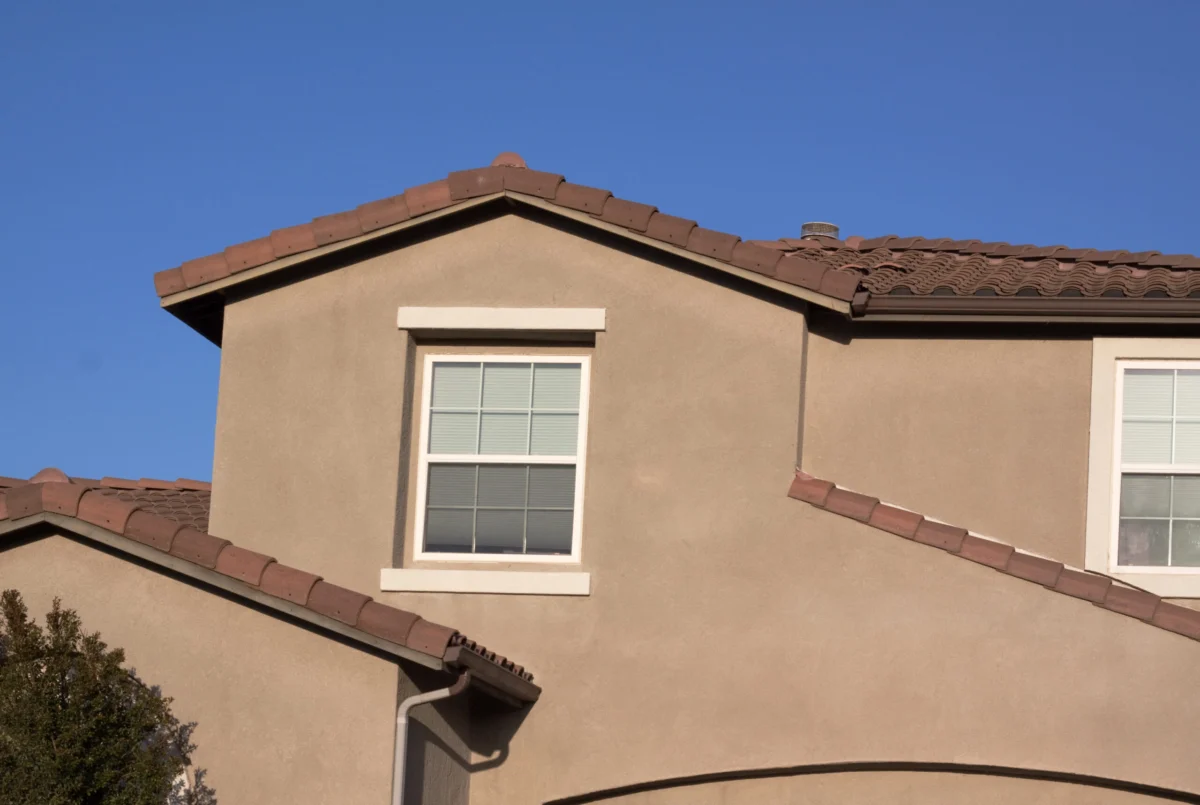
Stucco remains one of the most recognizable and enduring home exterior finishes in residential architecture. Deeply associated with Spanish Revival, Mediterranean, and Southwestern architectural styles, this textured wall treatment is equally visible on midcentury ranch homes and newly constructed residential developments. For prospective homebuyers evaluating a property finished in stucco, or current homeowners considering adding the material to an existing structure, understanding how the material performs over time, its financial implications, and its impact on overall property value is essential.
At its core, traditional stucco offers a compelling combination of durability, fire resistance, and aesthetic appeal. When properly maintained, it can endure for decades, providing a sturdy and distinctive outer shell. However, these advantages come with notable trade-offs, including higher upfront installation costs compared to standard siding options, a natural vulnerability to surface cracking, and an absolute necessity to manage moisture infiltration effectively.
What is Stucco?
Stucco is fundamentally a plaster-like exterior wall finish. Traditional stucco is composed of a precise mixture of cement, sand, lime, and water. During application, this mixture is troweled onto the exterior walls of a home while still wet, eventually curing and hardening into a solid, highly textured protective shell. The application process typically involves multiple layers applied over a galvanized wire mesh, known as lath, which is anchored to the structure and provides the necessary mechanical grip for the heavy plaster to adhere securely to the wall.
The history of plaster finishes of this nature spans thousands of years, with early iterations utilized in ancient Greek and Roman architecture. Despite its ancient origins, the material remains widely favored in modern construction. While predominantly specified for exterior building envelopes, stucco can also be applied to interior surfaces for distinct architectural effects.
Traditional Stucco Versus EIFS
When evaluating a residential property, distinguishing between traditional stucco and alternative synthetic systems is critical. Not all exterior finishes marketed or perceived as stucco share the same composition or performance characteristics.
The most common synthetic alternative is Exterior Insulation and Finish System, frequently referred to as EIFS. While EIFS can closely mimic the visual appearance of traditional hard-coat stucco, its underlying material science is entirely different, relying heavily on foam insulation boards and synthetic layers rather than heavy-duty cement plaster. Because moisture management and structural resilience vary significantly between traditional stucco and EIFS, prospective buyers touring a home are strongly advised to confirm the exact wall cladding system in place. If a property features EIFS, or if the exact nature of the exterior finish cannot be definitively determined, commissioning a specialized stucco and moisture inspection is widely considered a prudent step in the real estate transaction process.
Weighing the Pros and Cons
Like any residential building material, stucco presents a distinct set of advantages and disadvantages that influence its long-term viability and homeowner satisfaction.
The primary benefits center on longevity, fire safety, and aesthetic versatility. Traditional cement-based stucco creates a hard, resilient barrier that withstands harsh weather conditions, heavy winds, and physical impacts better than many lightweight siding materials. Its inherent rigidity and composition also contribute to superior sound-dampening qualities, reducing ambient street noise inside the home. Furthermore, its timeless texture provides strong architectural character that appeals to a broad segment of the housing market in specific geographic regions.
Conversely, the material’s drawbacks require careful management. The primary concern associated with stucco is its potential vulnerability to water damage if moisture manages to penetrate the outer layer and become trapped behind the wall assembly. Because traditional stucco is rigid, it is also prone to developing hairline cracks as a home settles or experiences thermal expansion and contraction. Additionally, the labor-intensive application process results in higher initial installation costs compared to vinyl or aluminum siding options.
Fire Resistance and Safety Performance
One of the most significant engineering advantages of traditional stucco is its high level of fire resistance. Because traditional stucco is fundamentally cement-based, the materials do not burn. This property makes it a preferred building exterior for homes located in regions vulnerable to wildfires, where defensible building materials are critical for property protection.
The exact degree of fire protection afforded by a stucco exterior, however, depends on the entire wall assembly rather than the exterior finish alone. Factors such as the overall thickness of the plaster layers, the type of lath used, and the underlying wall sheathing all contribute to the assembly’s overall fire-rated performance. Homeowners and buyers should verify the specific construction details of the wall assembly rather than relying solely on a general assumption of fire resistance.
Impact on Residential Property Value
The presence of a stucco exterior can have a notable impact on a home’s market value and resale potential, largely depending on geographic location and the quality of the installation and maintenance.
When professionally installed and meticulously maintained, a stucco exterior can enhance a home’s resale value, particularly in regions where the architectural style is culturally dominant and regionally expected, such as the American Southwest, California, and Florida. In these markets, prospective buyers often look for stucco finishes as a standard feature of regional home design.
Conversely, visible surface defects such as extensive cracking, staining, or evidence of moisture intrusion can severely deter potential buyers and complicate home sales. In geographic regions where stucco is uncommon, finding contractors experienced in stucco repair can be difficult, which may also turn off prospective buyers. As a general rule in real estate valuation, if neighboring properties feature similar exterior finishes, it typically signals a favorable market reception for resale.
Maintenance and Upkeep Requirements
While stucco is celebrated for being a relatively low-maintenance exterior compared to wood siding that requires frequent scraping and painting, it is not entirely maintenance-free. Preserving the integrity of a stucco home requires regular observation and prompt attention to minor issues before they escalate into costly structural repairs.
Homeowners must routinely inspect the exterior walls for any signs of cracking, chipping, or discoloration. Maintaining proper clearance between the bottom of the stucco and the soil, as well as ensuring that landscaping elements such as bushes and trees do not press directly against the walls, helps prevent moisture retention. Additionally, checking and maintaining all window and door flashing, gutters, and downspouts ensures that rainwater is directed away from the stucco surface rather than running down the walls or pooling behind the cladding.
Painting and Color Customization
Stucco can be successfully painted, provided the material has fully cured. Newly applied stucco requires an adequate drying and curing period to allow internal moisture to escape and the material to breathe before any coatings are applied. Introducing paint too early in the curing process can trap moisture within the wall assembly, leading to bubbling, blistering, and premature peeling of the paint film.
Because cure times vary widely depending on specific product formulations and prevailing weather conditions during application, adherence to manufacturer guidelines is essential. Prior to priming and painting, professionals must verify that the wall surface is entirely dry and that the surface pH has reached acceptable levels. For older stucco installations, periodic repainting can refresh the home’s aesthetic appearance while providing an extra layer of weather protection, provided existing cracks and surface imperfections are properly repaired and sealed prior to application.
Evaluating a Stucco Home for Purchase
For prospective buyers navigating the housing market, a stucco-clad home can represent a durable, aesthetically appealing, and low-maintenance investment, provided it is well-suited to the local climate. The material performs exceptionally well in dry or moderate environments where prolonged exposure to heavy moisture is minimized.
When considering the purchase of a property featuring stucco, implementing specific due diligence measures can mitigate potential risks. Securing a comprehensive home inspection that includes a specialized moisture meter test of the exterior walls provides critical insight into the condition of the underlying framing and sheathing. Reviewing seller disclosure statements regarding any historical water intrusion or repair work, and verifying the credentials of the original installers or repair contractors, ensures that the structural integrity of the home’s exterior envelope remains sound.
| Source | : | Open Passport |
| Author | : | admin |
| Editor | : | Open Passport Editorial Team |
