
Riyadh Hotels Suffer Sharp Downturn in October Following King Khalid International Airport Shutdown
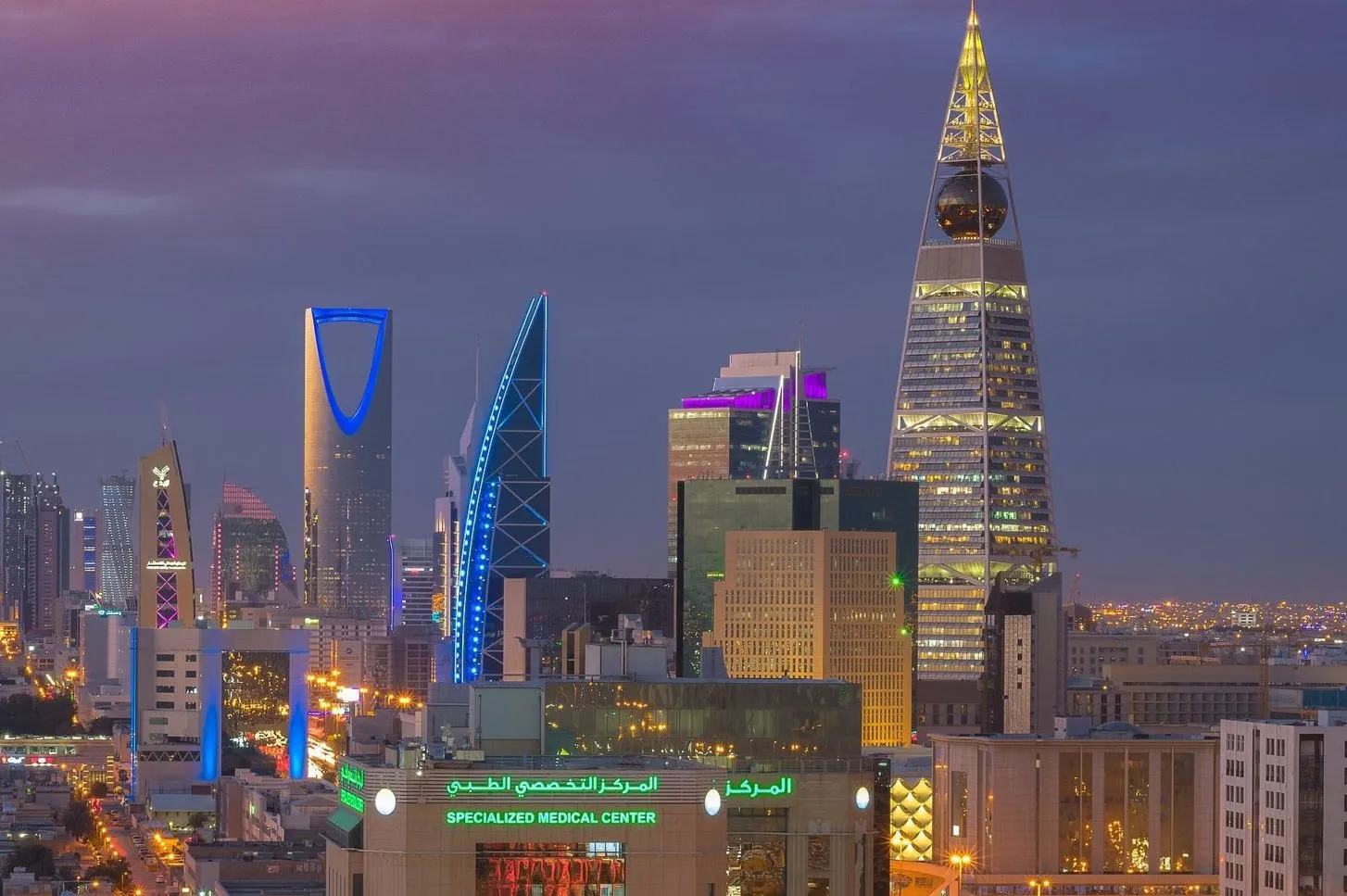
Hotels in Riyadh experienced one of their most challenging months of the entire year in October, as a temporary shutdown of the Saudi capital’s main international gateway severely severed inbound travel demand right at the threshold of the region’s traditional peak tourism and business season.
According to comprehensive performance data released by hospitality analytics firm CoStar’s STR, hotel occupancy rates across the Saudi capital plummeted dramatically, falling 34.7 percentage points year over year down to just 34.3 percent, compared to a robust 69 percent recorded during the same period in the previous year. To put the severity of the downturn into perspective, only the month of March registered lower occupancy levels, dipping to an average of 28.3 percent due to distinct seasonal patterns.
The cascading financial impact was felt across all major key performance indicators for the city’s lodging sector. The average daily rate (ADR) charged by Riyadh hotels dropped by 29.9 percent, sliding down to $190 per night. Meanwhile, revenue per available room (RevPAR)—widely considered by industry experts to be the ultimate barometer of a hotel market’s overall financial health—collapsed by an alarming 65.1 percent, plunging to a meager $65.
Industry analysts emphasize that the timing of the disruption compounded the damage to hotel operators, corporate travel managers, and tourism stakeholders alike. October and November are historically recognized as the anchor months for Riyadh’s peak operational season, a period when the city typically plays host to major international conferences, high-level diplomatic delegations, business travelers, and leisure visitors taking advantage of cooler weather conditions.
"October and November are usually the peak season months for Riyadh, so the impact is much bigger," said Kostas Nikolaidis, associate account director for the Middle East and Africa at STR, highlighting why a disruption during this specific window carries disproportionate financial consequences for hospitality providers in the capital.
What Emptied October
The sudden and dramatic collapse in hospitality demand throughout October can be directly traced back to a severe security incident that forced the operational shutdown of King Khalid International Airport, the primary aviation hub serving Riyadh and a critical artery for international connectivity into the Kingdom of Saudi Arabia.
The airport was forced to suspend operations following a devastating attack that occurred on October 10. According to statements released by Saudi authorities, the tragic incident resulted in the deaths of 13 people and left more than 300 others injured, triggering immediate, emergency-level security lockdowns and airspace restrictions across the central region of the country.
In the immediate aftermath of the security emergency, aviation traffic ground to a near-complete halt as authorities prioritized safety, damage assessment, and structural stabilization of the aviation facility. Flight tracking and aviation intelligence data compiled by Cirium revealed the staggering scale of the travel disruption: approximately 86 percent of all scheduled flight departures from Riyadh were officially canceled between October 8 and the final days of the month, as airlines scrambled to reroute aircraft, suspend routes, and manage stranded passengers amidst the rolling operational restrictions.
With the city’s major international entry point effectively cut off from accepting regular commercial inbound traffic for a significant portion of the month, the downstream effects rippled rapidly through the local economy. Corporate travelers attempting to visit Riyadh for pre-scheduled business ventures found themselves unable to secure flights, while leisure tourists canceled upcoming itineraries. International hotel chains and independent properties alike watched their forward-looking booking pacing curves evaporate within days, leaving rooms vacant during what was supposed to be the most lucrative stretch of the autumn calendar.
| Source | : | Open Passport |
| Author | : | Dwi Wanna |
| Editor | : | Open Passport Editorial Team |
