Applying for a visa is often the most stressful part of planning an international trip. After spending hours gathering documents and paying non-refundable fees, receiving a rejection letter can be devastating. Understanding the specific reasons why visa applications get rejected is crucial not only for fixing a current refusal but also for preventing one in the first place.
Visa officers are trained to look for specific red flags that indicate an applicant might overstay their welcome, work illegally, or pose a security risk. By analyzing these common pitfalls, you can ensure your application is watertight. This guide outlines the primary reasons for rejection and provides insights on how to present a successful case.
Prerequisites for a Successful Application
Before diving into the reasons for rejection, it is essential to understand the baseline requirements for almost every visa category. Missing any of these foundational elements effectively guarantees a refusal.
- Valid Passport: Must have at least six months of validity remaining beyond your planned return date.
- Application Form: Must be fully completed, signed, and free of errors.
- Photographs: Must meet strict biometric standards (size, background color, facial expression).
- Fee Payment: Proof of payment for the correct visa category.
1. Incomplete or Inconsistent Documentation
The most frequent reason for visa rejection is simply missing documents or providing information that does not match. Visa officers rely entirely on the paperwork you submit to make a decision. If a checklist requires a flight itinerary, hotel booking, and bank statements, omitting even one item can lead to an automatic rejection.
Furthermore, inconsistency is a major red flag. For example, if your application form states you are staying for 10 days, but your flight reservation shows a 20-day trip, the officer will doubt your credibility. Always double-check that dates, names, and details align perfectly across all documents.
2. Insufficient Proof of Financial Means
Countries want to ensure that visitors can support themselves financially during their stay without resorting to illegal employment or public funds. If your bank statements show a low balance, irregular deposits, or lack of steady income, your visa will likely be rejected.
To avoid this, submit:
- Bank statements for the last 3 to 6 months showing a consistent history.
- Pay slips or proof of employment.
- Income Tax Returns (ITR) for the past few years.
- Sponsorship letters if someone else is funding the trip.
3. Lack of Proof of Ties to Home Country
One of the visa officer’s primary jobs is to determine if you have a strong reason to return home. If they suspect you intend to become an illegal immigrant, they will use Section 214(b) (in US terms) or similar clauses to deny the visa. This is common for young, single, or unemployed applicants.
You must demonstrate strong ties to your home country, such as:
- Employment: A letter from your employer stating your role, tenure, and approved leave dates.
- Family: Birth certificates of children or marriage certificates.
- Assets: Property deeds or vehicle registration documents in your name.
4. Vague or Unconfirmed Travel Itinerary
Applying for a visa without a clear plan suggests a lack of genuine intent to visit for tourism or business. A rejection often cites ‘justification for the purpose and conditions of the intended stay was not provided and reliable.’
Ensure you provide a detailed day-to-day itinerary. This should include confirmed hotel bookings (or an invitation letter from a host with their address) and flight reservations. Avoid booking dummy tickets that get cancelled before the visa is processed, as officers often verify PNR numbers.
5. Invalid or Damaged Passport
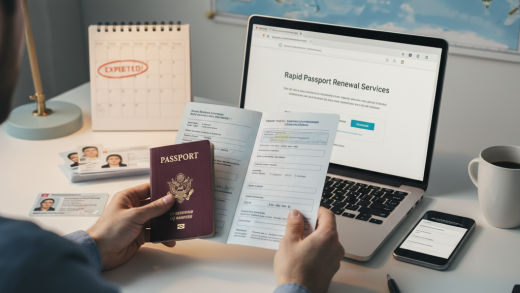
Your passport is your primary identity document. If it is tattered, has torn pages, or the cover is detaching, the consulate may refuse to accept it. Additionally, most countries require your passport to have at least two blank pages for the visa sticker and entry/exit stamps.
Check the expiration date carefully. If your passport expires in less than six months from your date of entry, renew it before applying for the visa.
6. Past Immigration Violations or Criminal Record
Security is a top priority for all nations. If you have a criminal record or have previously overstayed a visa, been deported, or worked illegally in any country, your chances of rejection skyrocket. Failing to disclose this information on your application form is considered fraud and can lead to a permanent ban.
If you have a minor offense from the past, it is often better to disclose it honestly with an explanation and legal records showing the case is closed, rather than trying to hide it.
Conclusion
Visa rejections are often the result of small oversights rather than ineligibility. By meticulously preparing your documentation, proving your financial stability, and demonstrating strong ties to your home country, you can significantly reduce the risk of refusal. Treat the application process as a formal presentation of your life and intent; clarity, honesty, and attention to detail are your best tools for securing that stamp in your passport.