This comprehensive guide will walk you through everything you need to know about passport expiration rules. We’ll demystify the infamous six-month rule, explore its variations, and provide you with a clear roadmap for ensuring your travel documents are ready for any destination. Think of this as your ultimate passport to peace of mind.
The Basics: More Than Just a Date
Every passport has a clear ‘Date of Expiry’ printed on its biographical page. This is the date your travel document officially becomes invalid. However, for the purposes of international travel, your passport often becomes ‘unusable’ long before this date arrives. The key concept to grasp is the difference between your passport’s expiration date and its required validity period for entry into a foreign country.
Airlines are the first line of defense for immigration authorities. They are required to check your documents before you board. If they allow a passenger to fly with documents that don’t meet the destination country’s entry requirements, the airline faces hefty fines and the cost of returning the passenger home. Consequently, they are extremely strict about enforcing these rules and will deny boarding without hesitation.
The Six-Month Validity Rule: A Traveler’s Biggest Hurdle
The most important and widespread regulation is the six-month validity rule. This rule, enforced by a vast number of countries, requires that your passport be valid for at least six months from your date of entry or, more often, your intended date of departure from that country. This means if you plan a trip to Thailand from June 1st to June 15th, and your passport expires on December 1st of the same year, you could be denied entry because you don’t have a full six months of validity remaining from your departure date.
Why Does This Rule Exist?
The logic behind the six-month rule is practical from an immigration standpoint. It provides a buffer for unforeseen circumstances. A traveler might face a medical emergency, experience a natural disaster, or simply decide to extend their trip. Requiring six months of validity ensures that the visitor can remain in the country for an extended period without their primary identification and travel document expiring, which would create a complicated legal situation. It guarantees you can legally exit the country and return home at any point during a potential extended stay.
Many popular tourist destinations strictly enforce the six-month rule. This includes a large number of countries in Southeast Asia (like Thailand, Vietnam, and Indonesia), many nations in Africa and South America, as well as countries like China, Russia, and the United Arab Emirates. Assuming this rule is the default is the safest bet for any international traveler.
Variations and Exceptions: Not All Rules Are Created Equal
While the six-month rule is a great guideline, passport validity requirements are not universal. Different countries and regions have their own specific regulations, making it crucial to check the rules for your exact destination.
The Schengen Area and the Three-Month Rule
- Valid for at least three months beyond your intended date of departure from the Schengen Area.
- Issued within the last 10 years.
For example, if you plan to leave France on August 10th, your passport must be valid until at least November 10th of that same year. This three-month buffer ensures you can legally remain in the zone even if your plans change.
The ‘Valid for Duration of Stay’ Club
Some countries have a more relaxed approach, requiring only that your passport be valid for the duration of your planned stay. This group includes destinations like the United Kingdom, Canada, Australia, and Mexico (when traveling from the U.S.). However, even with these countries, it is always wise to have at least a few months of buffer on your passport to avoid any potential issues.
The ‘Six-Month Club’ Exception for U.S. Citizens
To complicate matters further, the United States has agreements with a list of countries, known as the ‘Six-Month Club,’ to waive the six-month rule for U.S. passport holders. For these specific destinations, your passport only needs to be valid for your intended period of stay. While this is a helpful exception, the list of countries can change, and relying on it without verification can be risky. Always confirm the current status directly with official sources before your trip.
How to Verify Your Passport and Destination Requirements
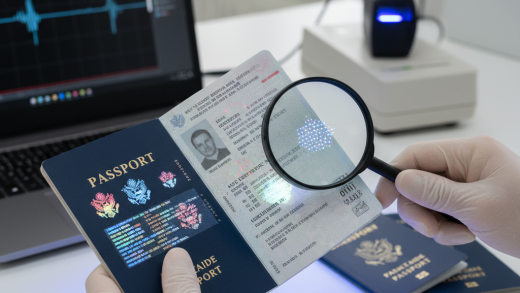
- Check Your Passport’s Expiration Date: The first step is the simplest. Open your passport to the photo page and locate the ‘Date of Expiry.’ Note this date down.
- Determine Your Travel Window: Identify your planned date of entry and, most importantly, your planned date of departure from your destination country (or the entire Schengen Area, if applicable).
- Research Specific Country Requirements: This is the most critical step. Use reliable, official sources to find the entry requirements for your destination.
Where to Find Reliable Information
- Your Home Country’s Government Travel Website: For U.S. citizens, the U.S. Department of State’s Bureau of Consular Affairs website (travel.state.gov) is the definitive source. It provides detailed, country-by-country information on entry, exit, and visa requirements.
- The Destination Country’s Embassy or Consulate: The official website for your destination’s embassy in your home country will have the most current and accurate entry rules.
- The IATA Travel Centre: The International Air Transport Association (IATA) maintains a database that most airlines use to verify passenger document requirements. You can use their online Travel Centre for free to check the rules for your specific trip.
Beyond the Expiration Date: Other Crucial Passport Details
A valid expiration date isn’t the only thing customs officials look for. Your passport must meet other criteria to be considered a valid travel document.
Blank Visa Pages
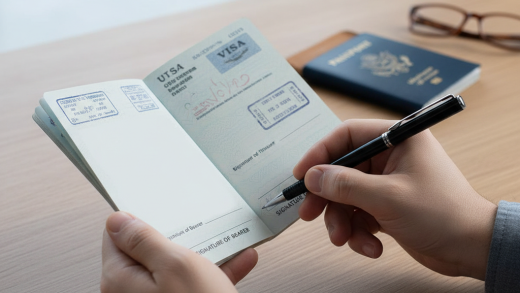
Many countries require visitors to have at least one or two completely blank visa pages in their passport for the entry and exit stamps. Some countries require a full blank page for a visa sticker. If your passport is full of stamps, even if it has years of validity left, you may be denied entry. Check the blank page requirement for your destination and renew your passport if you’re running low on space.
Passport Condition
Your passport must be in good condition. Significant damage, such as water damage, a ripped or detached cover, unofficial markings, or torn pages (especially the biographical page), can render it invalid. Immigration officials have the right to determine if a passport is too damaged to be accepted. If your passport shows major signs of wear and tear, it’s best to renew it.
Passports for Minors
It’s essential to remember that passports issued to children under the age of 16 are only valid for five years, not the standard ten years for adults. Because of this shorter validity period, parents should check their children’s passports frequently to avoid any last-minute surprises before a family vacation.
What to Do If Your Passport Fails the Test
Discovering your passport isn’t valid for an upcoming trip can be stressful, but you have options. The key is to act quickly.
Renew Early and Routinely
The best strategy is avoidance. Get into the habit of checking your passport’s expiration date whenever you start planning a trip. The U.S. Department of State recommends renewing your passport at least nine months before it expires. Standard renewal by mail can take several weeks or even months, especially during peak travel seasons.
Expedited Renewal Services
If you’re short on time, you can pay an additional fee for government-expedited service, which significantly reduces the processing time. However, even this can take a few weeks, so it’s not a solution for immediate travel.
Urgent Travel and Passport Agencies
For imminent travel (typically within 14 days) or life-or-death emergencies, you may be able to secure an appointment at a regional passport agency. These appointments are limited and require proof of urgent travel. This is a last-resort option that requires quick action and flexibility.
Using a Registered Courier Service
Private passport courier or expediter services can also help. These companies charge significant fees to hand-deliver your application to a passport agency and can often secure a much faster turnaround time than you could on your own. Ensure you use a reputable, registered service if you choose this route.
Real-World Scenarios
- Scenario 1: You want to book a two-week trip to Italy, departing on May 1st. Your passport expires on October 15th of the same year. Can you travel? No. Your intended departure from the Schengen Area would be around May 15th. The Schengen rule requires three months of validity beyond that date, meaning your passport would need to be valid until at least August 15th. You must renew your passport before this trip.
- Scenario 2: You’re a U.S. citizen planning a one-week vacation to London. Your passport expires in four months. Can you travel? Yes, most likely. The UK only requires your passport to be valid for the duration of your stay. However, if your flight has a layover in a Schengen country, you could face issues. Always check the rules for transit countries as well.
Final Checklist for a Worry-Free Journey
- Is my passport valid for at least six months from my planned return date?
- Have I checked the specific validity, blank page, and other entry requirements for my destination on an official government website?
- Is my passport in good physical condition, with no significant damage?
- Do I have enough blank pages for stamps and visas?
- If traveling with children, have I checked their five-year passport validity?
Your passport is your key to the world. By taking a few minutes to understand and verify these crucial expiration and validity rules, you ensure that your document remains a gateway to incredible experiences, not a barrier at the airport gate. Plan ahead, renew early, and travel with the confidence that you’re prepared for the journey ahead.