
Why is Checking for Passport Damage Important?
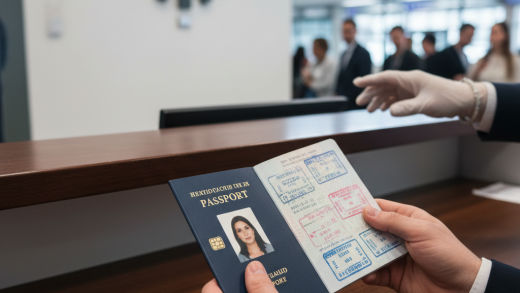
Border control agents meticulously examine passports to verify their authenticity and ensure they haven’t been tampered with. Any sign of damage can raise suspicion and lead to further scrutiny. Even seemingly minor damage can be interpreted as an attempt to alter the passport, resulting in delays or outright denial of entry. Airlines also have the right to refuse boarding if they believe your passport is not valid. Therefore, taking the time to inspect your passport before each trip is a crucial step in pre-travel preparation.
Understanding What Constitutes Passport Damage
- Water Damage: This is one of the most common types of passport damage. Water can cause pages to stick together, ink to run, and the passport material to warp. Even if the passport has dried, lingering stains or a musty odor can be red flags.
- Tears and Rips: Tears, especially around the photo page or visa pages, can render your passport invalid. Even small tears along the edges should be carefully assessed.
- Staple Marks or Holes: Removing staples or other fasteners can damage the passport and raise suspicion of tampering. Even small holes can be problematic.
- Altered or Missing Pages: Any signs of pages being removed or altered, including erased or overwritten information, will likely result in your passport being rejected.
- Damaged Binding: A loose or damaged binding can indicate tampering or general wear and tear that compromises the passport’s integrity.
- Discoloration or Fading: Excessive exposure to sunlight or other elements can cause the passport photo or information to fade, making it difficult to verify your identity.
- Ink Smudging or Bleeding: If ink from stamps or visas has smudged or bled onto other pages, it can obscure important information and raise concerns.
- Damage to the RFID Chip (e-passports): If your passport is an e-passport (indicated by a small symbol on the cover), the embedded RFID chip could be damaged without any visible signs. If you suspect damage, try using it at an e-gate. If it’s not recognized, this could indicate a problem.
Step-by-Step Guide to Checking Your Passport for Damage
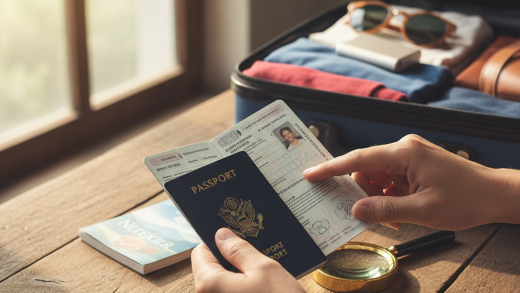
- Gather Your Supplies: You’ll need your passport, a clean, well-lit workspace, and possibly a magnifying glass for close inspection.
- Inspect the Cover: Check the front and back covers for any signs of damage, such as tears, dents, or water stains. Pay close attention to the binding to ensure it’s secure and not coming apart.
- Examine the Photo Page: This is the most critical page. Ensure the photo is securely attached and hasn’t been tampered with. Check for any signs of alteration, such as scratches, smudges, or discoloration. Verify that the lamination is intact and not peeling.
- Check Personal Information: Carefully review your name, date of birth, place of birth, and other personal information to ensure it’s legible and accurate. Any alterations or discrepancies could raise red flags.
- Flip Through All Pages: Inspect each page of your passport, including visa pages, for any signs of damage. Look for tears, rips, water stains, staple marks, or missing pages. Pay particular attention to the edges of the pages, as these are prone to damage.
- Assess the Binding: Open your passport to the middle and examine the binding. It should be firm and intact. If the pages are loose or the binding is coming apart, your passport may be considered damaged.
- Smell Test: A musty or moldy odor can indicate water damage, even if there are no visible signs.
- Check the RFID Chip (if applicable): If you have an e-passport, try using it at an e-gate if you suspect damage. If it’s not recognized, this could indicate a problem with the chip.
What to Do If You Find Damage
- Assess the Severity: Determine the extent of the damage. Minor wear and tear may not be a problem, but significant damage could render your passport invalid.
- Contact Your Passport Issuing Authority: Contact the passport agency in your country (e.g., the U.S. Department of State, UK Passport Office, or Passport Canada) for guidance. They can advise you on whether your passport is still valid and what steps you need to take.
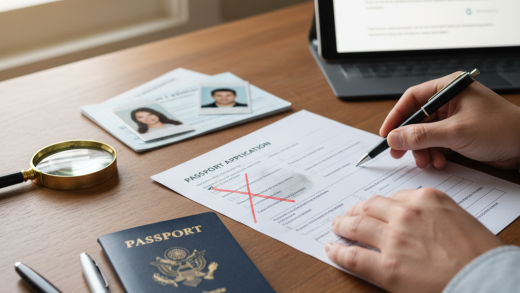
- Apply for a Replacement Passport: If your passport is deemed damaged, you’ll need to apply for a replacement. The application process is similar to applying for a new passport, and you’ll need to provide the damaged passport, a new photo, and the required fees.
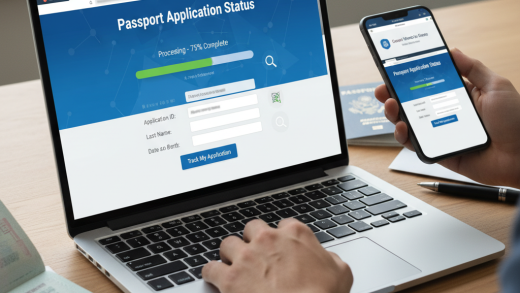
- Expedite the Process (If Necessary): If you have an upcoming trip, consider expediting your passport application. Many passport agencies offer expedited services for an additional fee. Be sure to check the processing times and plan accordingly.
- Keep Copies of Your Documents: Make copies of your damaged passport, your replacement passport application, and any other relevant documents. This can be helpful if you encounter any issues during the application process.
Tips for Protecting Your Passport from Damage
- Use a Passport Cover: A passport cover can protect your passport from scratches, spills, and other types of damage. Choose a cover that fits snugly and provides adequate protection.
- Store Your Passport in a Safe Place: When you’re not using your passport, store it in a safe, dry place away from direct sunlight and extreme temperatures. A drawer, a safe, or a lockable box are all good options.
- Keep Your Passport Away from Water: Water damage is a common problem, so keep your passport away from liquids. Avoid carrying it in your back pocket or placing it near drinks.
- Handle Your Passport with Care: Treat your passport with respect. Avoid bending, folding, or crumpling it.
- Avoid Writing on or Attaching Anything to Your Passport: Do not write on any pages of your passport or attach stickers, paperclips, or other items to it. This can damage the passport and raise suspicion of tampering.
- Consider a Digital Copy: While not a replacement for the physical document, keeping a secure digital copy of your passport can be helpful in case of loss or theft. Store it securely and separately from your phone.
Understanding the Validity of Your Passport
Beyond physical damage, it’s crucial to understand the validity requirements for your passport. Many countries require your passport to be valid for at least six months beyond your intended stay. Check the specific requirements of your destination country well in advance of your trip.
Common Mistakes to Avoid
- Waiting Until the Last Minute: Don’t wait until the week before your trip to check your passport. Start the process at least a few months in advance to allow ample time for replacement if needed.
- Ignoring Minor Damage: Even seemingly minor damage can be a problem. Err on the side of caution and contact your passport issuing authority if you’re unsure.
- Assuming Your Passport is Valid: Just because your passport hasn’t expired doesn’t mean it’s valid. Check the validity requirements of your destination country and ensure your passport meets those requirements.
- Not Making Copies: Always make copies of your passport and other important travel documents. Store them separately from the originals in case of loss or theft.
The Importance of Renewing Your Passport on Time
Renewing your passport well before its expiration date is crucial. Many countries require passports to be valid for at least six months beyond your intended stay. Starting the renewal process early can save you from potential travel disruptions and last-minute stress. Check your passport’s expiration date and plan to renew it at least nine months before it expires.
Using Third-Party Services
Numerous third-party services offer expedited passport renewal and replacement services. While these services can be convenient, they often come with a premium fee. Research these services thoroughly and ensure they are reputable before entrusting them with your passport application.
What to Do If Your Passport is Lost or Stolen
- Report the Loss or Theft: Immediately report the loss or theft to the local police and obtain a police report.
- Contact Your Embassy or Consulate: Contact your country’s embassy or consulate for assistance. They can issue an emergency passport or travel document to allow you to return home.
- Provide Documentation: Provide any available documentation, such as a copy of your passport or driver’s license, to help expedite the process.
- Follow Instructions: Follow the instructions provided by the embassy or consulate carefully. They will guide you through the process of obtaining a replacement travel document.
Navigating Border Control with Confidence
A well-maintained and valid passport is your key to smooth border control experiences. By taking the time to check your passport for damage and ensuring it meets all validity requirements, you can travel with confidence and avoid potential disruptions.
Staying Informed About Travel Advisories
Before any international trip, it’s a good idea to stay informed about the latest travel advisories and alerts issued by your government. These advisories can provide valuable information about potential risks and safety concerns in your destination country, helping you make informed decisions and stay safe during your travels.
Conclusion
Checking your passport for damage before a trip is a simple yet crucial step that can save you from significant travel headaches. By following the steps outlined in this guide, you can ensure your passport is in good condition and avoid potential delays or denials at border control. Remember to protect your passport from damage, renew it on time, and stay informed about travel advisories. With a little preparation, you can embark on your international adventures with confidence and peace of mind.
Further Resources
- U.S. Department of State: travel.state.gov
- UK Passport Office: gov.uk/browse/abroad/passports
- Passport Canada: canada.ca/en/immigration-refugees-citizenship/services/passport.html