
Major
Hotel Groups Trim Growth Forecasts as Construction Delays and High Interest Rates Impede Pipeline Conversions
The world’s largest hotel groups are currently sitting on record development pipelines, boasting unprecedented numbers of properties designed to enter the market over the coming years. However, several of these industry giants have been struggling significantly to turn these promised hotel projects into actual open properties. Compounding the issue, some major hospitality companies have experienced a higher-than-expected volume of rooms leaving their systems entirely, creating a persistent bottleneck that is challenging long-term corporate projections.
In response to these headwinds, prominent hospitality leaders including Marriott International, Hyatt Hotels Corporation, Wyndham Hotels & Resorts, and Accor have quietly trimmed their net rooms growth forecasts since late July. While Hilton managed to hold its growth target steady, its third-quarter performance still hovered near the very bottom of its projected range. For asset-light hotel companies—which rely heavily on managing and franchising properties rather than owning real estate—net rooms growth serves as one of the two primary engines driving fee revenue, alongside revenue per available room, making these downward revisions a notable development for investors and industry analysts alike.
The broader macroeconomic and structural pressures weighing down the sector are well-documented by industry analysts. According to real estate services firm CBRE, the United States hotel industry saw supply grow by a meager 0.4% in the third quarter on a year-over-year basis. This persistent shortfall reflects a complex confluence of challenges, including ongoing construction delays, a sluggish pace of converting existing independent hotels into new brand networks, stubbornly high interest rates that make project financing difficult, and a higher-than-planned rate of hotels exiting brand systems altogether.
Looking ahead, the recovery is expected to be slow. Industry projections indicate that the trend will likely persist into the next reporting cycles, with U.S. room supply growth forecast to creep up to only 0.6% in 2027. This anticipated figure stands in stark contrast to the historical long-term average of 1.6% growth per year, highlighting a prolonged period of suppressed expansion across the domestic lodging landscape.
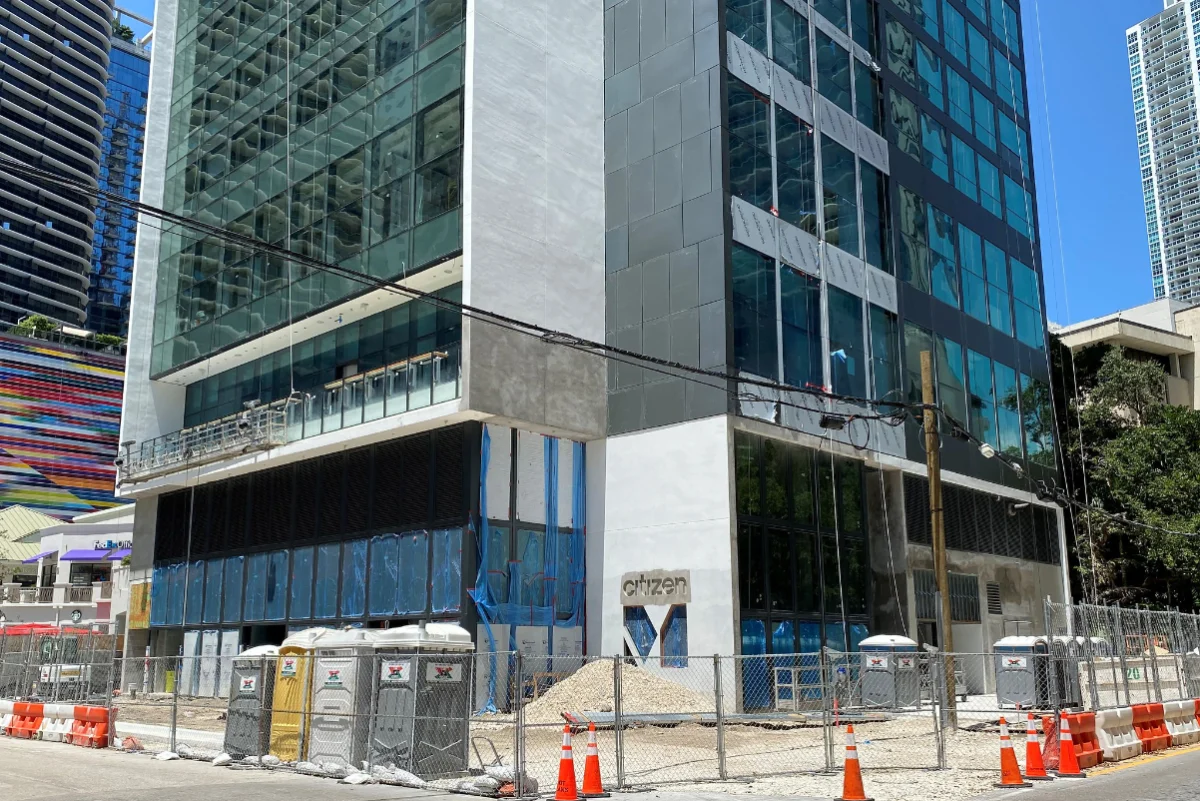
The friction between robust development pipelines and sluggish actual deliveries underscores the operational hurdles facing asset-light hospitality models today. Companies have spent recent years aggressively signing management and franchise agreements, swelling their pipelines to historic highs. Yet, translating those agreements into physical brick-and-mortar operations—such as properties like the CitizenM Miami Brickell Hotel in Florida, which spent years navigating the path from initial construction sites to fully operational destinations—has become increasingly complicated.
Supply chain frictions, labor shortages in the construction sector, and elevated borrowing costs continue to delay groundbreakings and extend project timelines. Developers are finding it increasingly difficult to secure favorable financing terms, leading to stalled projects or outright cancellations. Meanwhile, conversions—traditionally a reliable method for brands to quickly absorb existing properties and expand their footprint—have faced headwinds as independent owners weigh the high costs of brand-mandated property renovations against current market returns.
At the same time, the rate at which hotels are leaving major brand networks has exceeded earlier projections. Whether due to owners choosing to rebrand independently, selling properties for alternative uses such as residential conversion, or failing to meet brand quality standards after years of operational stress, these exits are acting as a constant drag on net system growth. When combined with the trickle of new openings, the net result is a significant dampening of overall inventory expansion.
For travelers and industry stakeholders, this constrained supply growth means that new hotel openings will remain relatively scarce in major markets over the next few years. As major hotel groups recalibrate their expectations and adapt to an economic environment characterized by higher interest rates and slower pipeline conversion rates, the traditional pace of hotel development is undergoing a fundamental, if temporary, reassessment.
| Source | : | Open Passport |
| Author | : | Evan Lee Salim |
| Editor | : | Open Passport Editorial Team |
