
Haiti’s Children Facing Devastating Violence and Abductions by Armed Gangs, Warns Amnesty International
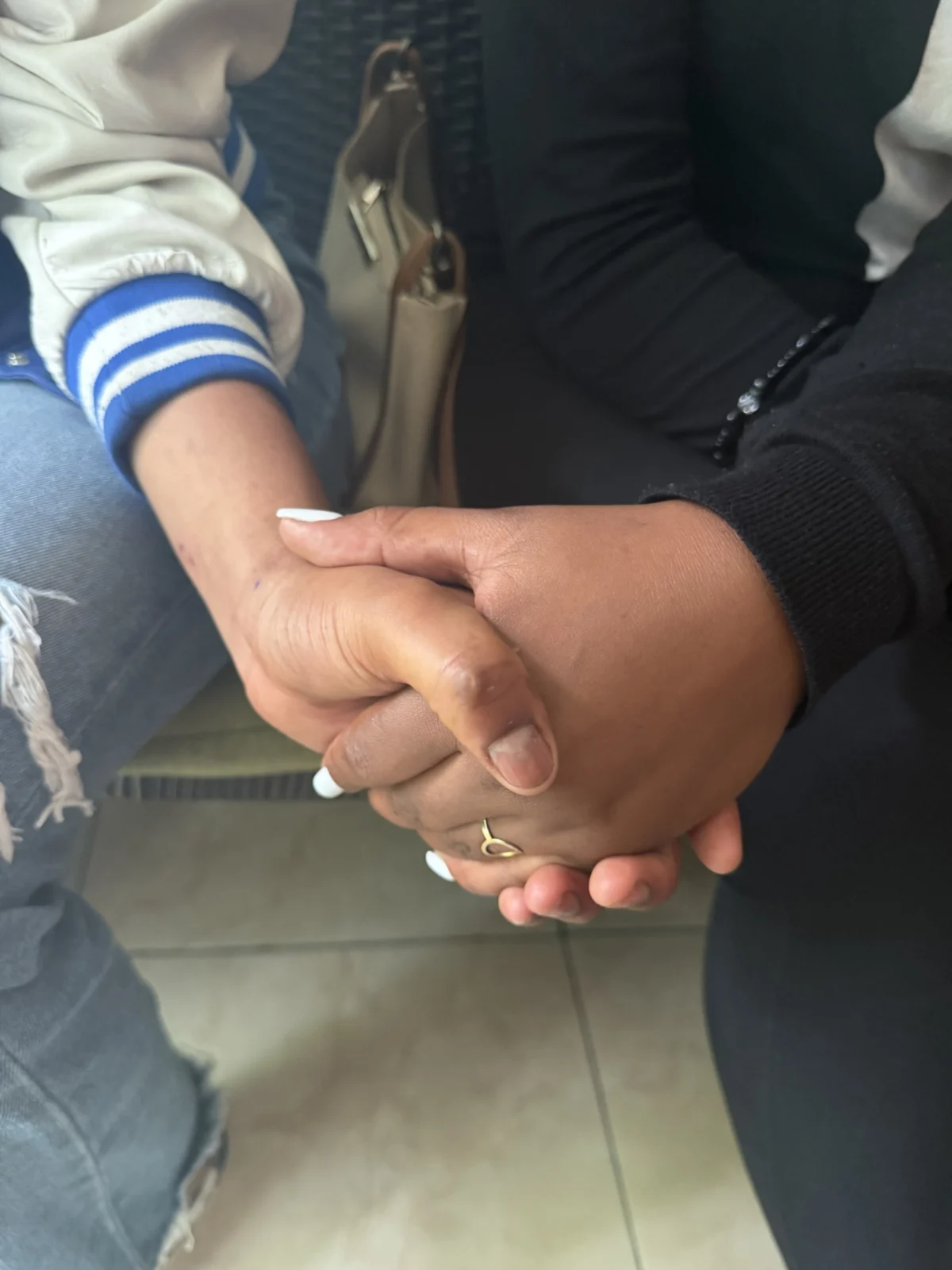
As the international community marks World Children’s Day, a stark and harrowing picture of childhood in Haiti has emerged, with human rights organizations warning that children remain at grave risk of killings, forced abductions, sexual violence, and other severe abuses perpetrated by powerful armed gangs.
In new research released ahead of the global observance, Amnesty International detailed the devastating impact of escalating gang warfare on the youngest members of Haitian society. The findings underscore an intensifying humanitarian and human rights emergency that has unfolded across the Caribbean nation, particularly following years of institutional instability and a severe breakdown in public security.
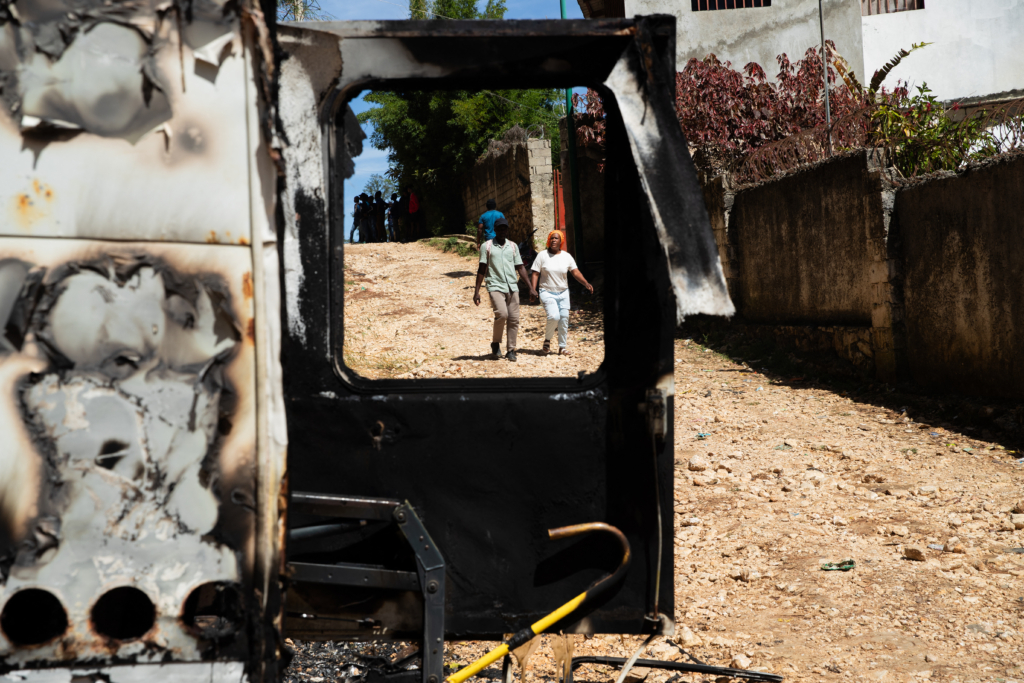
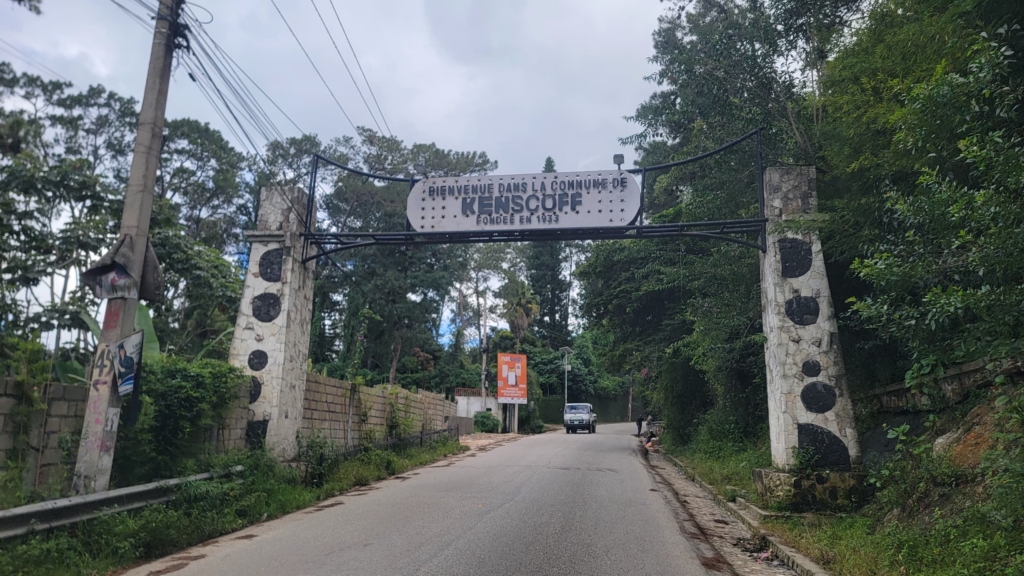
The urgency of the crisis was brought into sharp focus by a meticulous investigation into a deadly raid in the mountainous commune of Kenscoff, located just south of the capital, Port-au-Prince. According to municipal officials, the brutal attack on August 23, 2026, left 55 people dead and 15 others injured. The United Nations subsequently confirmed that the casualties included at least three boys and two girls. Furthermore, municipal data indicates that an additional 67 people, including 13 children, were violently abducted during the assault.
Witnesses interviewed by Amnesty International described a coordinated and merciless rampage that began around 9 p.m., when dozens of heavily armed gang members swept through various parts of the Kenscoff commune. The attackers targeted residents directly in their homes, opening fire indiscriminately, setting residential structures and vehicles ablaze, and ruthlessly shooting down individuals attempting to flee for their lives. The violence also spared no sanctuary; assailants targeted displaced civilians who had sought refuge inside the Ark of the New Covenant Church, shooting many of them in cold blood.
"Children’s lives have been devastated by these horrors," said Scott Edwards, Director of Amnesty International’s Crisis Response Programme. "Survivors of the Kenscoff August attack, which came just weeks after another massacre in the same commune, described how they watched as gang members killed their relatives and friends, and how they were raped, beaten, and abducted."
Edwards emphasized the immediate need for comprehensive intervention, stating that survivors must be granted urgent access to mental health support and necessary protection services. "On World Children’s Day, we are again calling for the Haitian authorities and the international community to urgently increase efforts to protect Haiti’s children as escalating gang violence continues to threaten their lives. Additionally, intensified security operations must not expose children to further harm," he added.
World Children’s Day, celebrated annually on November 20, marks the anniversary of the adoption of the Convention on the Rights of the Child (CRC). The landmark international treaty outlines the fundamental rights of every child and establishes the legal obligations of governments to safeguard their well-being. Haiti is officially a state party to the CRC, making the ongoing systemic failure to protect its youth a profound violation of both domestic and international human rights commitments.
Kenscoff Attacks
The siege of Kenscoff is part of a broader, sustained campaign of terror waged by organized criminal syndicates. Specifically, notorious gangs including Grand Ravine, Ti Bwa, 5 Segon, and 400 Mawozo began launching coordinated attacks on the mountainous farming commune in January 2025. All four of these powerful groups operate under the umbrella of the Viv Ansanm criminal coalition.
Kenscoff shares a strategic border with Pétion-Ville, an affluent suburb where numerous government offices, foreign embassies, and critical commercial interests are concentrated. The August 23 onslaught, primarily spearheaded by a faction of the 5 Segon gang, appeared to be a direct retaliation for intensified security operations launched by authorities against criminal strongholds in the region.
The human cost of this retaliatory violence was vividly captured in the harrowing testimonies of child survivors. One teenage girl recounted to Amnesty International how she desperately hid beneath her bed as relentless gunshots echoed through her home. "When they came inside the house, they said everybody should get out or else they would kill us," she recalled.
The young girl was subsequently abducted and held captive for slightly more than one month alongside other victims. Describing the psychological terror inflicted by their captors, she noted that gang members repeatedly threatened them. "They came in and told us that they didn’t come all this way, risking death, for us to think that nothing would happen to us. They threatened that they would kill us," she said.
According to United Nations documentation, the violence extended to horrific acts of sexual assault, with 15 women and four girls recorded as victims of rape during the broader unrest. Another teenage girl, who endured both abduction and sexual violence, described the inescapable terror of the raid. "We heard gunshots, but we didn’t have anywhere to go. We didn’t know where to go," she told Amnesty International. "They came in and took everybody."
During the ordeal, the girl was bound with an extension cord, brutally beaten, and forcibly separated from her family before being sexually assaulted by two gang members on a public street. "I tried to fight, but they hit me with a hammer and ripped my underwear," she recounted. "They tied me to a pole and told me they were going to fight with the police… The way they tied me was kind of loose. I freed myself and fled."
Other families suffered unspeakable tragedies. A man who was sheltering with displaced persons inside the church watched in horror as gang members shot and killed his relative, a mother of two, as she attempted to flee. Although he managed to hide alongside the woman’s two children, one of them—a teenage boy—panicked and ran toward a nearby burial site, where he was immediately shot. Emerging from hiding the following morning, the relative discovered the boy had sustained four gunshot wounds. The teenager spent more than two weeks hospitalized for his injuries. Reflecting on the long-term psychological and cognitive fallout of the trauma, the man noted, "He has some difficulty adapting at school… he forgets everything."
Abduction by Gangs
Amnesty International’s research documented the chilling abduction of at least 11 children, including three toddlers, during the Kenscoff raids. Released testimonies reveal that captives were routinely bound and forced to march through the darkness for hours until they reached houses that had been forcibly occupied by the criminal groups.
Conditions in captivity were described as deplorable. Abductees were crammed onto hard floors in overcrowded rooms, often forced to take turns lying down due to a severe lack of space. Sustenance was meager, consisting primarily of basic rations such as crackers, rice, and beans, washed down with untreated water.
For those fortunate enough to escape during subsequent security operations, the road to safety was fraught with additional perils. Fleeing captives frequently found themselves trapped in the crossfire of ongoing counter-offensive measures, including aerial attacks and drone strikes deployed by security forces. One young girl reported running barefoot for two days through rough terrain, utilizing her own t-shirt to bandage her heavily wounded feet. She stated that she witnessed at least two boys who had been abducted alongside her lose their lives after being struck by ordnance during drone operations.
These accounts have served as a critical reminder to Haitian security authorities and their international partners—including private security contractors, deployed Salvadoran troops, and the UN-backed Gang Suppression Force—regarding the absolute necessity of minimizing civilian casualties and ensuring that non-combatants are spared during armed interventions.
Financial extortion has remained a primary motive for the mass kidnappings. Witnesses reported that gang members systematically demanded ransom payments in exchange for the safe return of captives. Many families, struggling against extreme poverty, found themselves utterly incapable of meeting the financial demands. In at least one instance, a family managed to pay close to 700 US dollars to secure the release of an adolescent girl, only for the captors to renege on the agreement and keep her in detention.
On August 28, UNICEF formally welcomed the release of six children and seven women who had been successfully liberated from Kenscoff, though many others remained in captivity for varying durations, leaving the ultimate fate and whereabouts of several victims entirely unknown.
The repeated waves of violence in Kenscoff have triggered massive population displacements. The August offensive alone forced more than 4,200 individuals to flee their homes. Displaced families have faced severe logistical and humanitarian challenges, with numerous children struggling to resume their education amid the displacement. Furthermore, persistent insecurity has heavily disrupted agricultural production in the region, which traditionally serves as a vital farming hub.
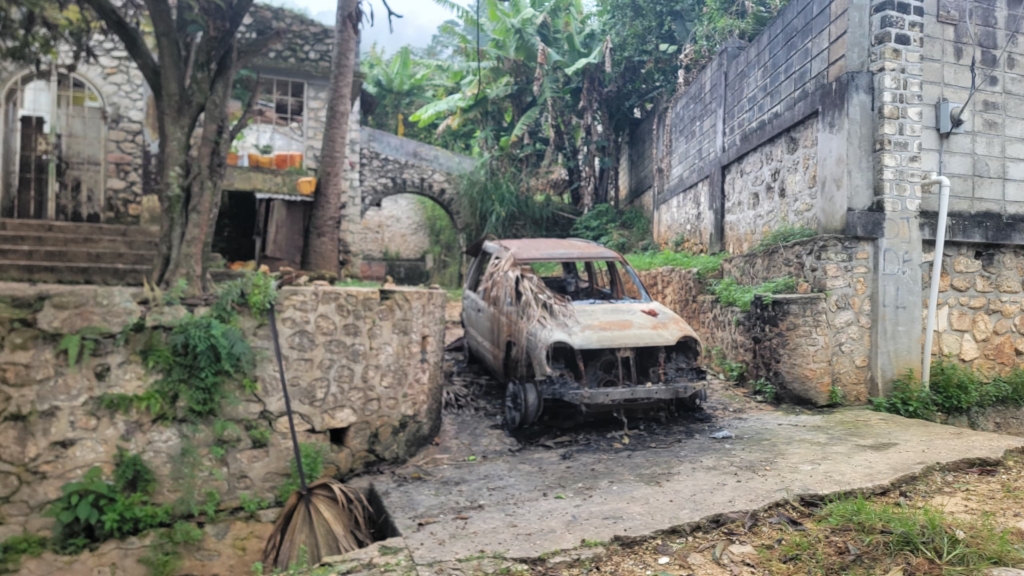
Both local community members and human rights monitors, including organizations such as the National Network for Human Rights Defense (RNDDH) and various UN bodies, have sharply criticized what they describe as an inadequate and delayed response from state security forces during the attacks.
Need for Accountability
While official investigations into the violence in Kenscoff have been initiated by national authorities, human rights advocates are demanding absolute transparency regarding both the findings of these probes and the status of civilians caught up in subsequent security sweeps.
Historically, investigations into numerous massacres perpetrated by armed gangs across Haiti in recent years have failed to materialize into credible judicial trials or convictions. Human rights organizations emphasize that systemic impunity must be dismantled through independent, impartial, and thorough investigations capable of bringing all individuals suspected of criminal responsibility—including corrupt politicians and elites known to sponsor and finance armed gangs—to justice.
"Amnesty International continues to call on the Haitian government and international partners to develop and implement a comprehensive child protection plan, ensuring access to education, healthcare, and justice for survivors. Protecting children must be an essential part of any response to Haiti’s security crisis," said Ana Piquer, Americas Director at Amnesty International.
In the coming months, Amnesty International is scheduled to release additional findings derived from extensive research conducted between September and November 2026. This comprehensive body of work involved a direct country visit to Haiti and more than 60 in-depth interviews, forming a core component of the organization’s ongoing initiative to document the devastating toll of the national crisis on children.
Since the July 2021 assassination of President Jovenel Moïse, armed gang violence has escalated dramatically throughout Haiti, creating what international observers have increasingly characterized as a profound and unprecedented assault on childhood.
| Source | : | Open Passport |
| Author | : | Ali Ikhwan |
| Editor | : | Open Passport Editorial Team |
