
Balancing Safety and Continuity: How Advanced Lightning Intelligence is Transforming Airport Operations
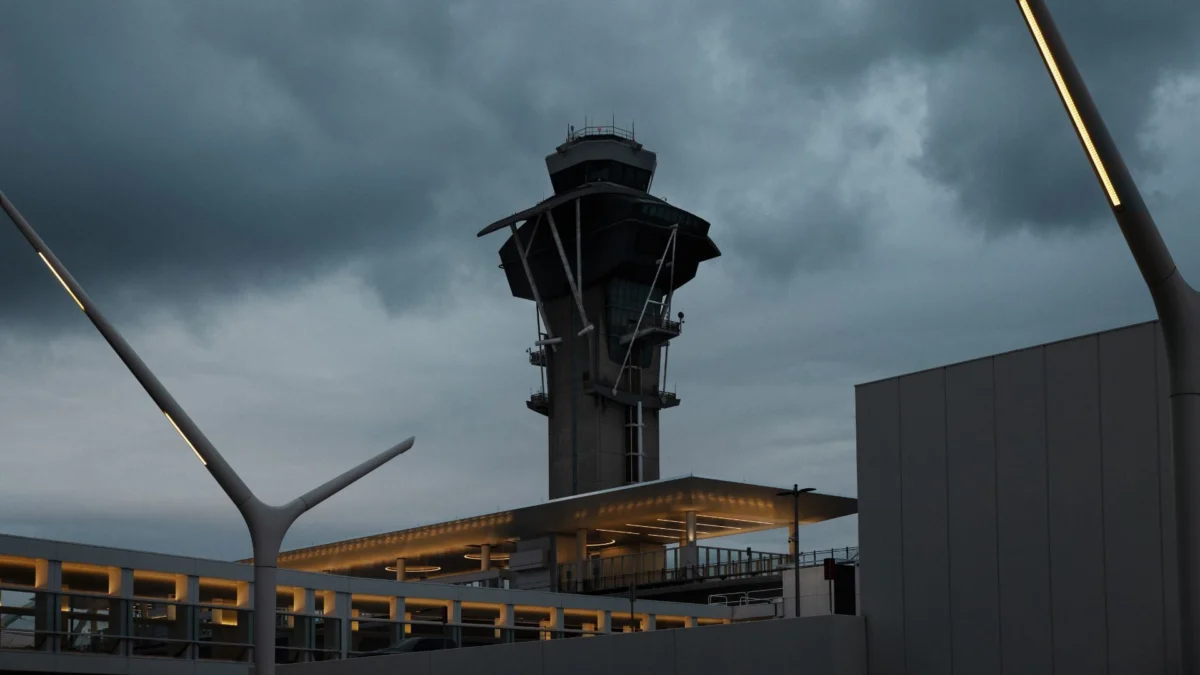
Airports are dynamic, high-stakes ecosystems where thousands of moving parts must coordinate seamlessly to keep global travel and commerce flowing. Bringing together a complex network of people and organizations—ranging from airport employees and airline crews to ground handlers, fixed-base operator (FBO) personnel, independent contractors, and various vital service providers—the modern airfield is a bustling hub of constant activity. When severe weather develops in the vicinity, however, this intricate choreography faces an immediate challenge. Protecting personnel working out in the open on the exposed airfield becomes the absolute priority, but the administrative and operational decision to suspend ground operations can affect far more than just the staff directly exposed to an oncoming storm.
A lightning warning needs to reach the right people early enough for them to take evasive action and seek proper shelter, while simultaneously equipping airport operations teams with the precise data they need to manage the broader operational fallout. Striking this critical balance matters deeply because weather-related disruptions can quickly cascade far beyond the duration of the storm itself. An enforced ground stop can severely impact aircraft turnarounds, disrupt gate availability, break passenger connections, and cause massive bottlenecks in the overall flow of traffic through the terminal and airspace. At the same time, resuming active ground operations prematurely can recklessly expose frontline personnel to severe, unnecessary lightning risks.
In this high-pressure environment, the quality, precision, and timing of the underlying weather intelligence can make a profound difference between a manageable operational adjustment and costly, widespread chaos.
Knowing When to Suspend Operations
At its core, standard lightning safety procedures are built around a simple, non-negotiable principle: when the environmental risk becomes unacceptably high, people must move to safety. The true operational challenge, however, lies in determining precisely when that threshold has been crossed and, conversely, when the hazard has sufficiently passed to allow a return to work.
Modern lightning detection networks provide real-time information detailing exact geographical strike locations. Airports leverage this continuous data stream to establish predefined alert zones surrounding their facilities. When lightning is detected within a specified radius, the corresponding safety protocols and automated alerts are immediately triggered.
The sizing of these zones involves an operational trade-off. A larger alert radius grants personnel significantly more time to prepare, pack up equipment, and reach secure indoor shelter, but it also extends operational downtime and increases delays. Conversely, a smaller radius reduces unnecessary disruption, but leaves significantly less response time for workers out on the far reaches of the airfield.
To navigate this dilemma, the US Federal Aviation Administration (FAA) recommends utilizing a smaller critical safety radius alongside a larger advisory zone. This layered approach gives operations teams an early indication that a storm is forming or approaching before lightning reaches the critical threshold required to suspend active work.
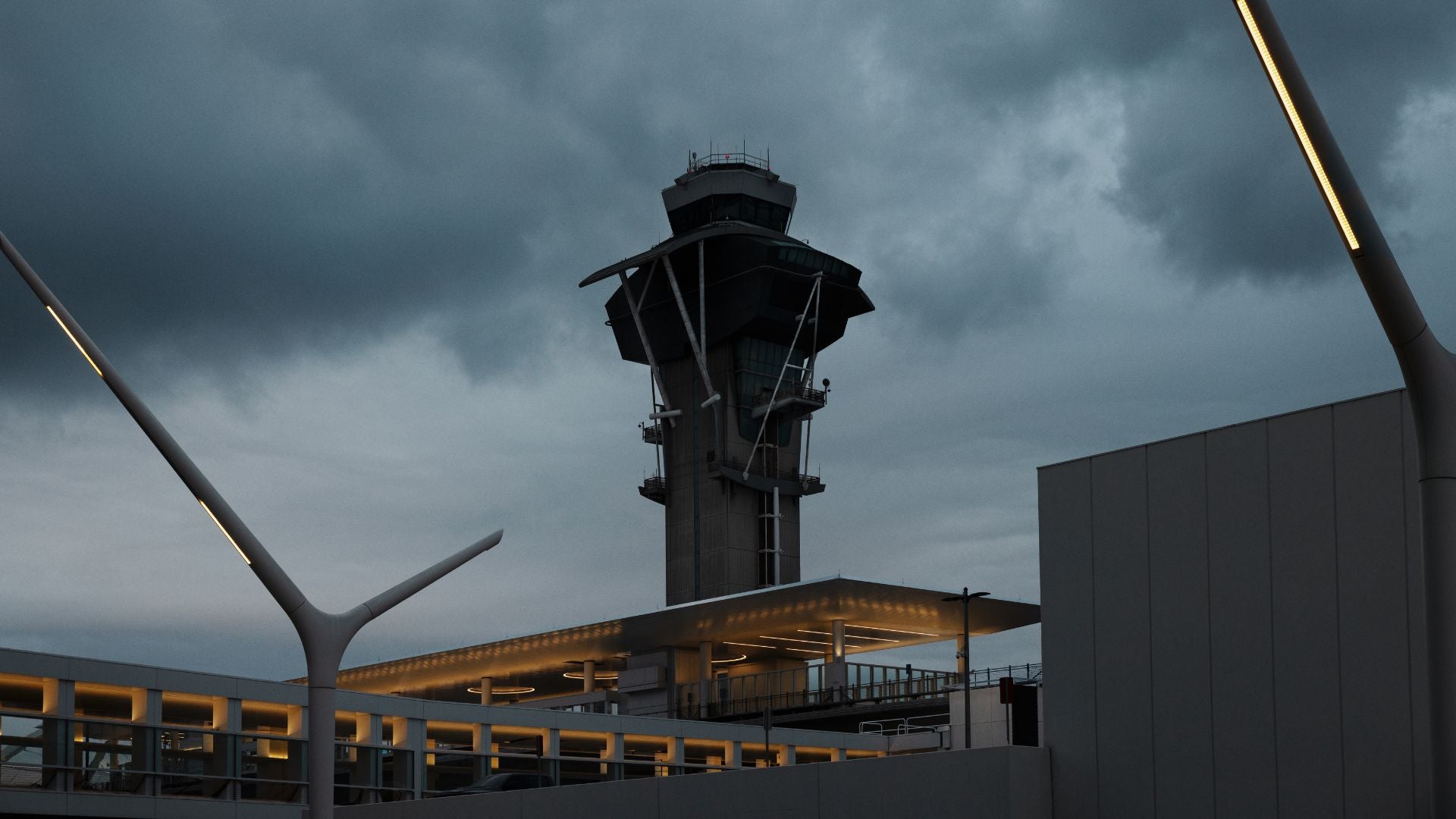
For individual airports, determining the appropriate thresholds depends heavily on the local environment, the physical layout of the tarmac, and the exact amount of time personnel require to reach shelter. A ramp worker stationed immediately adjacent to a terminal gate may be able to retreat to safety within moments, whereas independent contractors, fueling crews, or maintenance personnel working on remote parts of the airfield require a much longer window.
Advanced lightning forecasts can extend this decision-making window even further. By providing advance notice of developing lightning risks before a storm actually enters the immediate vicinity of the airport, forecasts give operations teams crucial breathing room to prepare personnel, coordinate closely with airline partners, and begin precautionary measures in an orderly fashion.
Knowing When It Is Safe to Resume
Once personnel have successfully moved to safety, airport operations teams must continue to closely monitor the progression of the storm. Rushing back to work too soon after the last observed lightning event creates the dangerous possibility of having to halt operations all over again if the storm intensifies or loops back.
The mandatory period between the last detected lightning event and the official decision to resume normal operations is commonly referred to as the clear time. The FAA recommends maintaining a minimum ten-minute waiting period after the last recorded lightning strike within the critical safety radius, though individual facilities often adjust these procedures according to local regulatory requirements and specific corporate risk tolerance.
Much like the initial shutdown thresholds, managing the clear time requires a careful balancing act. A longer clear time provides a robust safety margin for personnel, but extends overall operational disruption. A shorter interval minimizes downtime, but sharply increases the risk of repeated, stuttering stoppages that frustrate passengers and airlines alike.
Monitoring total lightning—which includes both in-cloud flashes and traditional cloud-to-ground strikes—provides a much more comprehensive picture of storm development. In-cloud lightning typically occurs earlier in the lifecycle of a thunderstorm and accounts for roughly three-quarters of all lightning activity, offering critical predictive insights that cloud-to-ground measurements alone simply cannot match.
One Safety Picture Across the Airport
Consistency in safety protocols becomes increasingly vital as airports coordinate massive numbers of disparate employees, contractors, and external service providers across sprawling properties.
Automated alerting systems establish this much-needed consistency by applying the exact same predefined criteria universally across different teams and geographical locations. Information, warning, and alarm thresholds can be custom-configured for various developmental stages of an approaching storm, with automated notifications routed instantly to the specific individuals responsible for each required action.
A Canadian airport recently highlighted how this integrated approach functions in everyday operations. The facility sought to utilize lightning safety alerts to protect its own airport staff, airline employees, FBO personnel, and ground crews alike. Furthermore, the airport wanted arriving and departing pilots to have clear visibility of the current lightning alert status directly at the gate, helping flight crews understand precisely when it was safe to connect ground power units or initiate pushback procedures.
A specialized lightning alerting and severe weather monitoring solution was configured precisely to the airport’s preferred operational criteria. Automated email and SMS notifications were dispatched directly to ground operations team members, while the live alert status was integrated via application programming interfaces (APIs) straight into digital displays located at every gate.
The resulting outcome was a highly standardized, cohesive approach to lightning safety spanning all on-site personnel and flight crews, ensuring critical safety information was readily available wherever it was needed most.
Measuring the Impact Beyond a Single Storm
The primary and overriding purpose of any aviation lightning safety program is, and always will be, the protection of human lives. While vital outcomes such as lives saved or injuries avoided are notoriously difficult to quantify in financial terms, airport operators can directly measure flight delays, operational downtime, and the associated economic costs.
When airports rely solely on broad regional weather reports and generalized public warnings, operations are frequently suspended out of an abundance of caution for storms that ultimately shift direction or dissipate entirely before ever reaching the airfield. This limited visibility into true storm behavior can also keep operations suspended significantly longer than necessary.
Accurate, location-specific lightning detection provides a much stronger, data-driven foundation for deciding when to stop and resume operations. This precision helps dramatically reduce false alarms and avoidable downtime without ever compromising safety standards.

Over months and years of continuous operation, facility managers can systematically compare flight delays, downtime figures, and financial costs against recorded lightning activity, triggered alerts, clear times, and operational responses. This long-term analysis reveals whether established procedures are successfully achieving the desired balance between absolute safety and operational continuity, while uncovering recurring patterns that can inform future protocol adjustments.
Smarter Lightning Intelligence for Airport Operations
Advanced platforms like Xweather Protect combine real-time lightning detection, sophisticated lightning forecasts, highly configurable alert zones, and automated notifications to help airports manage severe weather challenges across their entire footprint.
Powered by high-density lightning detection networks capable of identifying significantly more lightning events than traditional technologies, modern platforms can trigger rapid alerts within seconds of a stroke being detected, frequently providing airport teams with advanced warning before the sound of thunder even reaches the terminal. Integrated lightning risk forecasts provide an additional layer of predictive warning, extending the critical decision-making window by up to an hour.
Airports can configure multiple alert tiers for distinct zones, define individual alert distances and clear times, and route targeted notifications straight to specific departments. Alerts can be delivered via email and text messaging or wired directly into on-site infrastructure such as warning sirens, strobe lights, and digital gate displays.
Additionally, the platform supplies comprehensive post-storm reporting and historical lightning data, enabling operations and engineering teams to thoroughly review past events, prioritize physical inspections, and assess the efficacy of operational decisions over time.
For airports tasked with maintaining rigorous safety across a complex network of people, aircraft, and service providers, the ultimate goal is achieving greater clarity: knowing precisely when weather conditions are deteriorating, giving workers ample time to respond, and possessing the empirical confidence to resume full operations the moment the threat has safely passed.
While better lightning intelligence cannot eliminate the inherent disruptions caused by severe weather, it can empower airports to make far more informed decisions about when those disruptions are truly necessary, and when it is time to safely move forward.
| Source | : | Open Passport |
| Author | : | Rifan Muazin |
| Editor | : | Open Passport Editorial Team |
