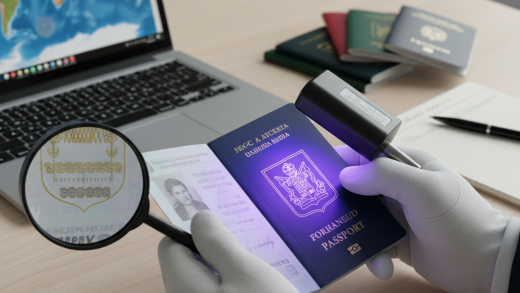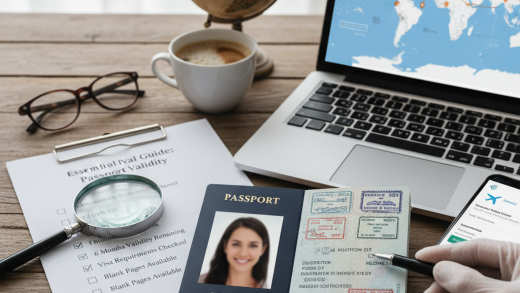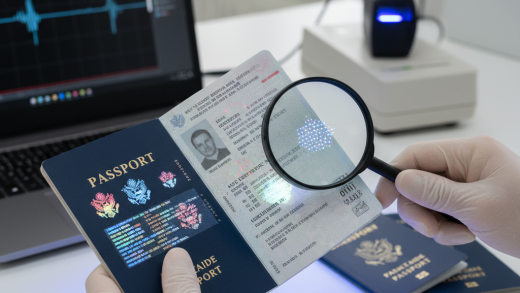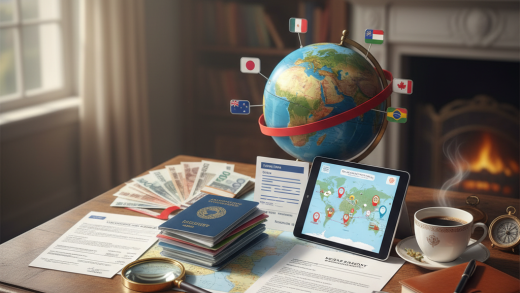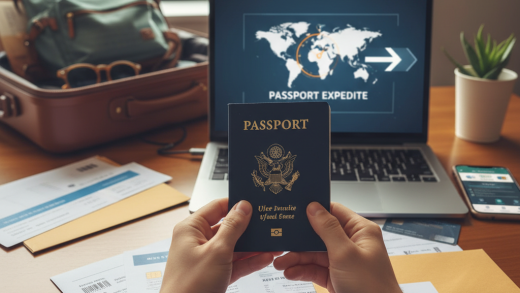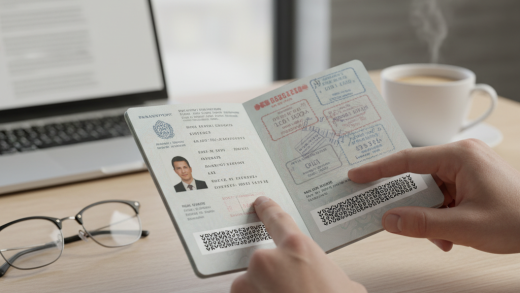

Before you even arrive at the airport, proper preparation is key. The first step involves ensuring your passport is valid. Most countries require your passport to be valid for at least six months beyond your intended stay. Check your passport’s expiration date well in advance of your trip. Renewing your passport can take several weeks or even months, so plan accordingly. Also, verify that your passport has sufficient blank pages for entry and exit stamps. Some countries require a certain number of blank pages.
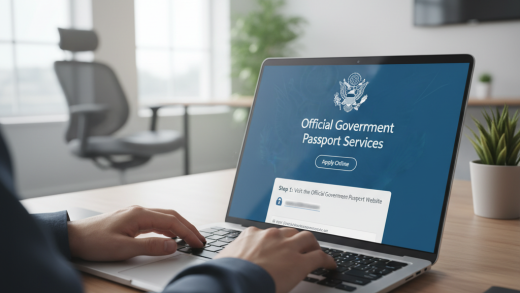
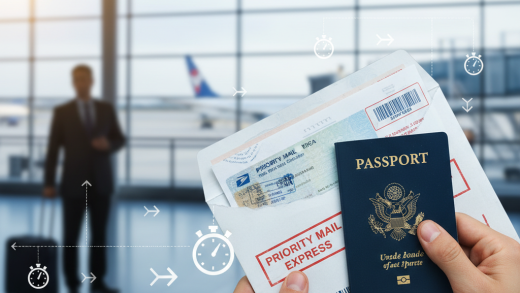
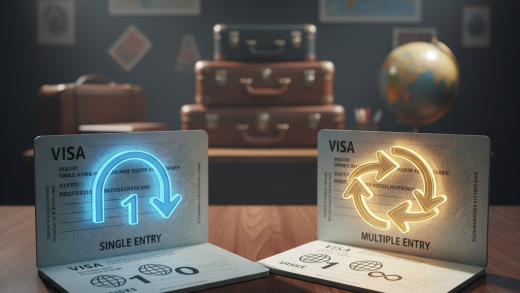
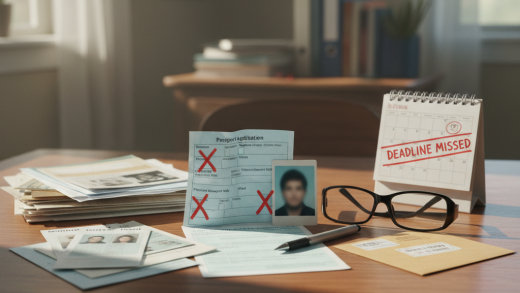
Next, familiarize yourself with any visa requirements for your destination. Depending on your nationality and the country you’re visiting, you may need a visa. Research visa requirements well in advance, as the application process can be time-consuming. Gather all necessary documents, such as application forms, photographs, and supporting documentation. Submit your visa application well before your departure date to avoid any last-minute complications.
Once you have confirmed your passport’s validity and visa requirements, make copies of your passport and any other important travel documents. Keep one set of copies separate from your originals. This is crucial in case your passport is lost or stolen. You can store digital copies on your phone or in a secure cloud storage service, as well.
Another important aspect of pre-flight preparation is packing your carry-on bag strategically. According to Transportation Security Administration (TSA) regulations, you’ll need to remove your liquids, aerosols, gels, creams, and pastes (LAGs) from your carry-on bag at the security checkpoint. These items must be in containers of 3.4 ounces (100 milliliters) or less and fit in a single, clear, quart-sized plastic bag. This facilitates the screening process and ensures compliance with security protocols.
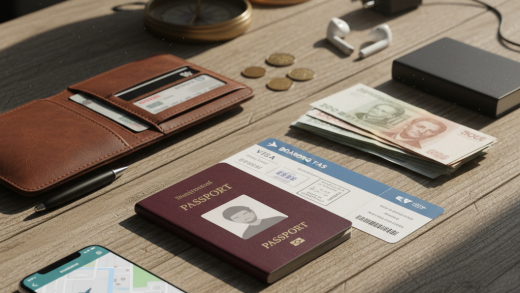
As you approach the airport, make sure you have your passport and boarding pass readily accessible. It’s advisable to keep these documents in an easily reachable pocket or compartment within your carry-on bag or a dedicated travel wallet. This will help you quickly retrieve them when needed at security checkpoints. Also, be aware of the airport’s layout. Familiarize yourself with the location of the security checkpoints and the designated areas for international flights.
When you arrive at the security checkpoint, you’ll encounter a series of procedures designed to ensure passenger safety. The first step usually involves presenting your passport and boarding pass to the security officer. They will verify your identity and confirm that your travel documents match the flight information. Be prepared to answer any questions the officer may have calmly and respectfully.
After document verification, you will likely be directed to the security screening area. This involves passing through a metal detector or, in some cases, a full-body scanner. Before entering the scanner, you’ll need to remove certain items, such as your shoes, belt, jacket, and any metal objects from your pockets. Place these items in a bin provided by the airport. Follow the instructions provided by the security officers, and remain calm throughout the process.
Your carry-on bag will also be screened. Place your bag on the conveyor belt to be scanned by an X-ray machine. Make sure to remove any electronic devices larger than a smartphone, such as laptops, tablets, and e-readers, and place them in a separate bin. This allows for a clearer view of the contents of your bag and speeds up the screening process.
When moving through the security checkpoint, listen attentively to the instructions given by security personnel. They are trained to guide passengers through the process efficiently. If you are unsure about any instructions, do not hesitate to ask for clarification. Following their directions will help expedite the process and minimize any potential delays.
If you have any medical devices or special needs, inform the security officer before the screening process begins. Travelers with medical devices, such as pacemakers or insulin pumps, may require alternative screening methods. The TSA offers various accommodations for individuals with disabilities and medical conditions.
After your belongings have been screened and you have passed through the metal detector or scanner, you will collect your items from the designated area. Double-check that you have all your belongings before proceeding to the boarding area. It’s easy to accidentally leave items behind during the security process. Make sure to gather everything before moving on.
Once you’ve passed through security, head to your designated gate. Check the flight information screens to confirm your gate number and boarding time. Arrive at the gate well before the scheduled boarding time to avoid any last-minute rush. This gives you ample time to settle in and prepare for your flight. Check the flight status regularly, in case of any delays or gate changes.
While waiting to board, ensure your passport and boarding pass are readily accessible. You’ll need these documents to board the aircraft. Keep them in a safe place, such as your wallet or a dedicated passport holder, to prevent loss or theft. Having these documents ready saves time at the boarding gate.
If you are traveling with children, there are specific guidelines to follow. Children under 18 can often travel with their parents or guardians using their passports. However, the exact requirements can vary depending on the destination country. Always check the specific requirements of the country you’re visiting and ensure you have all the necessary documentation for each child.
For children under a certain age, some countries require a letter of consent from the non-traveling parent. This letter should be notarized and include the child’s passport details and the travel itinerary. This is to avoid any complications. If the child is traveling with only one parent, it’s recommended to have documentation like a birth certificate or custody papers to prove the right to travel.
When it comes to lost or stolen passports, it’s essential to report it immediately. Contact the local police and the nearest embassy or consulate of your country. They will assist you in obtaining a replacement passport or a temporary travel document. Having copies of your passport and other important documents can significantly expedite the process.
In the unfortunate event of a lost or stolen passport, report it immediately to the local authorities. The sooner you report it, the less likely it is that someone will use your passport for fraudulent activities. Your embassy or consulate will be able to assist you in getting a replacement passport.
There are several technologies employed at airports to enhance security, including advanced imaging technology (AIT) and computed tomography (CT) scanners. These technologies allow security personnel to see more detail and detect potential threats more effectively. Understanding these technologies can help you feel more informed and prepared when going through security.
Advanced imaging technology (AIT) uses millimeter wave or X-ray technology to create a detailed image of your body, including any concealed items. CT scanners provide a three-dimensional view of your carry-on bag, enabling security officers to identify potential threats more accurately. These technologies help to speed up the screening process while maintaining a high level of security.
During the security screening process, remain calm and respectful towards the security personnel. Their job is to ensure the safety of all passengers, and they are trained to handle various situations. Following their instructions and cooperating with them will make the experience smoother for everyone.
Airport security procedures can vary slightly depending on the airport and the country. Before traveling, check the specific security guidelines of the airports you’ll be using. This will help you anticipate any specific requirements or procedures and prepare accordingly. The TSA and similar agencies offer online resources and guides that you can consult.
For frequent travelers, consider enrolling in programs like TSA PreCheck or Global Entry. These programs allow pre-approved, low-risk travelers to expedite the security screening process. Participants often have access to dedicated lanes and do not need to remove their shoes, belts, or laptops. These programs can save you significant time and effort when traveling.
TSA PreCheck streamlines the security screening process for pre-approved travelers within the United States. Members enjoy expedited screening, meaning they don’t have to remove shoes, laptops, liquids, belts, or light jackets. To enroll, you need to apply online, provide necessary information, and attend an in-person interview. This program helps frequent flyers save time. Global Entry facilitates quicker entry into the United States for pre-approved, low-risk travelers. It provides similar benefits to TSA PreCheck and can save significant time at the border. You must apply and pass a background check.
Properly preparing your passport and understanding airport security procedures can significantly enhance your travel experience. By following the tips and guidelines in this article, you can navigate airport security efficiently and confidently. Enjoy your journey!
One of the most important things to remember during the entire process is to stay informed. Security protocols and regulations can change, so it’s important to stay up to date. Check the official websites of the TSA or the relevant security agency for the airports you are using. This information can help you avoid any last-minute surprises. By staying informed, you can adapt to any changes in regulations and procedures and minimize any potential disruptions to your travel plans.
Consider the use of a passport holder or travel wallet. These accessories help protect your passport from damage, such as bending or tearing. They also provide convenient storage for other important travel documents, such as your boarding pass, identification cards, and credit cards. A well-organized travel wallet makes it easier to access your documents at any time. When selecting a passport holder, look for one that is RFID blocking. This feature helps protect your passport and other cards from electronic theft, preventing unauthorized access to your personal information.
When packing your carry-on luggage, consider the types of items that are prohibited. Check the TSA website or the official websites of the relevant agencies for a complete list. Items such as sharp objects, flammable materials, and certain liquids are generally not allowed. By familiarizing yourself with these restrictions in advance, you can avoid any potential issues at the security checkpoint.
If you are traveling with medication, make sure to pack it in your carry-on bag, along with a copy of your prescription. This ensures that you have access to your medication during your flight. If your medication is in liquid form, it must comply with the 3.4-ounce (100-milliliter) limit. However, certain medications may be exempt, so check the TSA guidelines or contact the relevant airport authorities if you have any doubts. Having a doctor’s note can also be helpful.
Be mindful of any cultural sensitivities or customs specific to your destination country. Some countries have specific requirements for passport photos or may require additional documentation. Research these requirements before your trip to ensure that you comply with all local laws and regulations. You can check the embassy or consulate website of the country you are visiting.
After passing through security, keep an eye on the flight information displays. These displays provide real-time updates on flight status, gate changes, and boarding times. Checking these displays frequently will help you stay informed about any changes to your flight schedule. It is also important to listen to any announcements made over the airport’s public address system. The announcements often contain important information for passengers.
If you have any questions or concerns during the security screening process, don’t hesitate to ask a security officer. They are there to assist you and provide guidance. Asking questions is a good way to clarify any confusion and ensure that you comply with all security procedures. Being proactive in seeking clarification helps to avoid any misunderstandings or delays.
Consider using airport apps or websites to stay informed. Many airports and airlines offer mobile apps or websites that provide real-time information about flight status, gate changes, and security wait times. These tools can help you plan your journey more efficiently and reduce stress. They can also offer maps of the airport, which can be useful.
If you are traveling with pets, there are specific guidelines to follow. Check the airline’s pet policies before your trip, as they vary. You’ll need to ensure your pet’s health requirements, carry a pet carrier that meets the airline’s specifications, and provide any necessary documentation, such as health certificates. Always check with the airline to know all the specific requirements.
The use of technology can greatly help in navigating airport security. Consider downloading travel apps that provide real-time information about flight status, security wait times, and gate changes. Many airports also offer free Wi-Fi, allowing you to stay connected and informed about any updates. Always be careful about connecting to public Wi-Fi networks and avoid sharing sensitive information.
Be patient and stay calm throughout the security process. Airport security can be stressful, especially during peak travel times. Remember that the security personnel are working to ensure the safety of all passengers. Maintaining a positive attitude and remaining calm will help you navigate the process more smoothly.
When you arrive at your destination, double-check your passport and any other important documents to ensure you have them. This is especially important after going through customs and immigration. Ensure you have the necessary entry stamps and any other required paperwork. Properly storing your passport in a secure location after your trip can also prevent any loss.
Taking the time to prepare and understanding the procedures can make the difference between a stressful travel experience and a smooth, enjoyable one. By being prepared and staying informed, you can navigate airport security with confidence and focus on the excitement of your upcoming journey.