Understanding how to protect your passport from the rigors of travel can save you from immense stress, financial loss, and ruined plans. In this comprehensive guide, we will explore the common causes of passport damage and provide actionable, easy-to-follow strategies to keep your document in pristine condition for its entire lifespan.
Understanding the Common Culprits of Passport Damage
Before you can effectively protect your passport, you need to know what you’re protecting it from. Damage often happens gradually or in a single, unfortunate incident. Being aware of the primary threats is the first step towards prevention.
Water Damage: This is perhaps the most common and destructive form of damage. A spilled drink, a leaky water bottle in your bag, an unexpected downpour, or the dreaded trip through a washing machine can cause pages to warp, ink to run, and the laminate on your photo page to peel. A water-damaged passport is often considered invalid immediately.
Bending and Creasing: Casually shoving your passport into a back pocket is one of the quickest ways to damage it. This habit can bend the cover, crease the pages, and, most critically, damage the embedded electronic chip in modern biometric passports, rendering it unreadable.
Tears and Rips: Pages, especially the all-important photo page, can get caught on zippers, keys, or other items in your bag. A significant tear on any page, but particularly the data page, can raise red flags with immigration officials and compromise the document’s integrity.
Fading and Smudging: The ink on your visa stamps and the printed information on your data page can fade over time due to exposure to sunlight, heat, or moisture. This can make crucial information difficult to read, leading to scrutiny at border crossings.
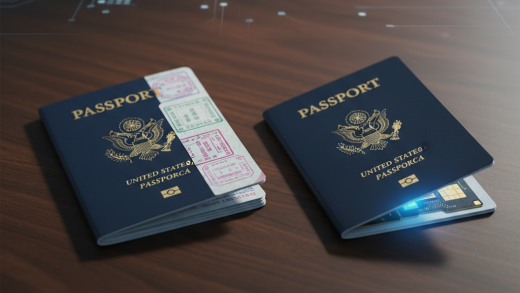
Electronic Chip Damage: Since the mid-2000s, many countries have issued e-passports containing a sensitive RFID (Radio Frequency Identification) chip. This chip stores your biographical information and a digital version of your photo. Bending the passport, puncturing the cover where the chip is located, or exposing it to strong static electricity or magnets can permanently damage it.
The First Line of Defense: Choosing a Quality Passport Cover
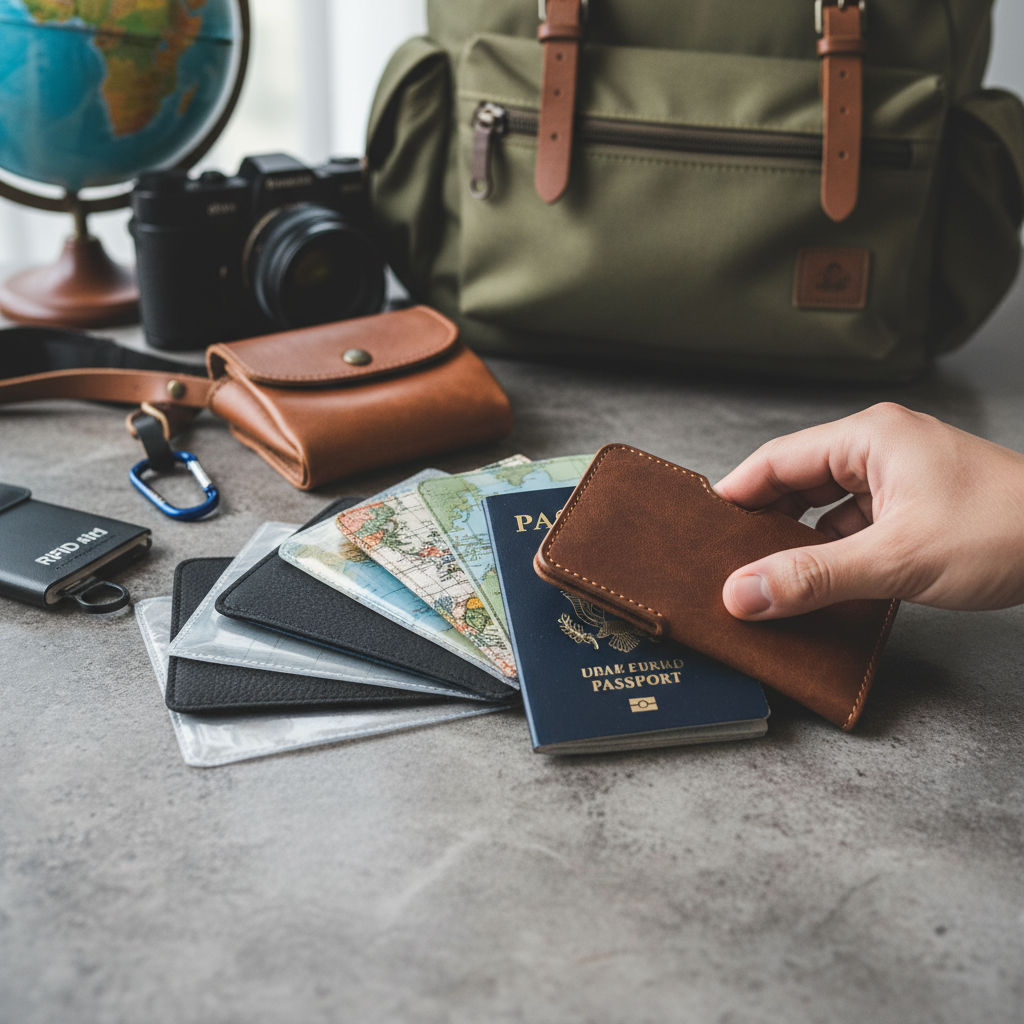
The single most effective tool for preventing everyday wear and tear is a good passport cover or holder. It acts as a shield against scratches, spills, and minor bending. However, not all covers are created equal.
- Leather Covers: Offering a classic look, leather is highly durable and provides excellent protection against bending and scratches. They can be a bit bulkier but often include extra slots for cards and tickets.
- Plastic/Vinyl Sleeves: These are an affordable and practical option. They are lightweight and waterproof, providing a great defense against spills and rain. Clear vinyl sleeves allow officials to see the front without you needing to remove it.
- Fabric Covers: Available in countless designs, fabric covers are stylish and lightweight. While they offer good scratch protection, most are not waterproof unless specifically treated.
The RFID-Blocking Feature: Security Meets Protection
Many modern passport holders come with an added security feature: RFID-blocking technology. Your e-passport’s chip can theoretically be read from a short distance by unauthorized scanners, a practice known as ‘RFID skimming.’ While the risk is relatively low, an RFID-blocking cover contains a material that prevents radio waves from reaching the chip, adding a layer of digital security to its physical protection.
When selecting a cover, ensure it has a snug fit. A loose cover can allow the passport to slide around, defeating the purpose, while one that’s too tight can be difficult to remove when required by officials and may bend the passport’s corners.
Best Practices for Smart Storage and Handling
How you store and handle your passport, both at home and on the road, is just as important as using a cover. Developing good habits is key to its longevity.
Storing Your Passport at Home
When you’re not traveling, your passport should be stored securely. Keep it in a cool, dry, and dark place to prevent fading and humidity damage. A drawer or a designated document box works well. For ultimate protection against unforeseen events, consider storing it in a fireproof and waterproof safe or document bag.
Carrying Your Passport While Traveling
Never carry your passport in a back pocket. This is not only a prime target for pickpockets but also the leading cause of bending and chip damage. Instead, dedicate a specific, secure compartment for it.
A front pocket of a travel jacket, a dedicated slot in a travel wallet, or an interior zipped pocket of a backpack or purse are all excellent choices. For maximum security in crowded areas, consider a neck wallet or a money belt worn under your clothing.
Always be mindful of liquids. When packing your carry-on, ensure your passport is stored away from toiletries, water bottles, or anything that could potentially leak during your journey.
Navigating Airports and Border Crossings
During your travels, you’ll need to present your passport multiple times. Be prepared to remove it from its cover. Many border control and airline agents require the passport to be free of any holder for scanning or inspection. Having a cover that is easy to remove and replace will make this process smoother.
Handle the document with care. When handing it over, hold it open to the photo page. Avoid forcing it into document scanners or dropping it on the counter. These small acts of care reduce the chance of accidental damage during high-stress travel moments.
Protecting the Pages and the Biometric Chip
The inside of your passport needs care too. Avoid using paper clips, staples, or tight rubber bands on your passport, as they can leave indentations, rust marks, or even tear the delicate pages.
Refrain from making any unofficial marks. Your passport is a legal document, not a notebook. The only places you should write are the designated signature line and the emergency contact information page. Any other doodles or notes could invalidate it.
Be especially protective of the biometric chip. It is typically embedded in the hard back cover or the main data page. Avoid placing heavy objects on your passport, and keep it away from strong magnets, which can be found in some purse clasps or electronic devices.
The Importance of Digital and Physical Backups
Even with the best protection, loss or severe damage can happen. A crucial part of your passport protection strategy should be creating backups. Before you travel, make several high-quality photocopies of your passport’s data page and any pages with valid visas.
Store these physical copies in different places—one in your checked luggage, one with a trusted person at home, and one separate from your actual passport in your carry-on. This redundancy ensures you have proof of identity if the original is lost.
Furthermore, create digital copies. Scan or take clear photographs of the same pages and save them to a secure cloud service like Google Drive, Dropbox, or iCloud. Also, save a copy directly to your phone’s offline files. This allows you to access your information from anywhere in the world, which can be invaluable in an emergency.
What Officially Constitutes ‘Significant Damage’?
The line between normal wear and tear and ‘significant damage’ can be blurry, and the final decision always rests with the airline agent or immigration officer. However, certain conditions are almost universally considered unacceptable.
When is it Time for a Replacement?
- Water Damage: Any significant warping, smudging, or delamination of the photo page.
- Missing or Torn Pages: The removal of any page, or a major tear that compromises the information on it.
- Unofficial Markings: Any markings or stamps not made by an official entity.
- Compromised Data Page: Any damage that makes the photo, name, date of birth, or passport number unreadable.
- Damaged Chip: If the e-passport chip is no longer readable by official scanners.
- Separated Cover: If the cover has become detached from the main booklet.
The guiding principle should be: if you have any doubt about its condition, it is safer to apply for a replacement well before your next trip. The risk of being stranded abroad is not worth it.
Conclusion: A Little Prevention Goes a Long Way
Your passport is a durable document designed to last for up to a decade, but it is not indestructible. By investing in a quality passport cover, adopting smart handling and storage habits, and being mindful of its physical and electronic components, you can easily protect it from wear and tear.
Treating your passport with care is a simple but vital travel discipline. This small effort ensures your key to the world remains valid and ready for your next adventure, allowing you to travel with confidence and peace of mind.