Applying for a visa is often the most daunting part of planning an international trip. Whether you are traveling for tourism, business, or study, the success of your application largely depends on the completeness and accuracy of your documentation. While specific requirements vary by country and visa type, there is a standard set of documents that almost every embassy or consulate will request. This guide provides a detailed breakdown of the essential documents required for a visa application to help you prepare effectively.
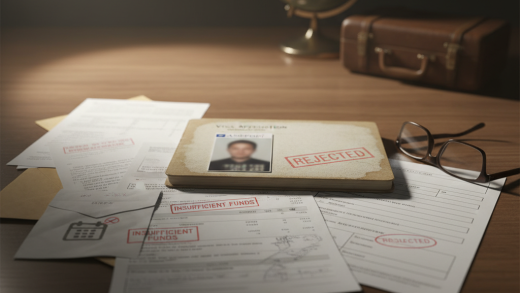
Before diving into the specific steps, it is crucial to understand that missing a single document or providing incorrect information can lead to delays or immediate rejection. Always verify the specific requirements of the destination country’s official immigration website. However, gathering the following core documents is the best starting point for any international traveler.
1. Original Valid Passport
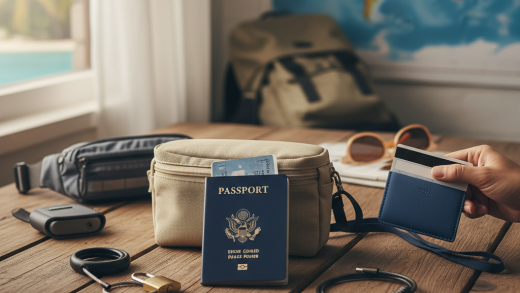
Your passport is the primary document for identity verification. To be accepted for a visa application, your passport must meet specific criteria. First, it must remain valid for at least six months beyond your intended date of return. Second, it must have at least two blank pages available for visa stamps. If your passport is damaged or expiring soon, you must renew it before initiating the visa application process.
2. Completed Visa Application Form
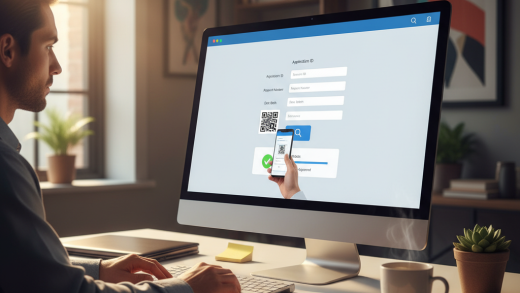
Every applicant must submit a visa application form. Most countries now offer online forms (e-Visa or DS-160 for the US, Schengen forms for Europe, etc.), while others still require a physical copy. Ensure that all information entered matches your passport details exactly. Spelling errors or mismatched dates of birth are common reasons for rejection. Once completed, the form must be signed by the applicant; for minors, parents or legal guardians must sign.
3. Passport-Sized Photographs
You will need to provide recent biometric photographs. These are not casual selfies; they must adhere to strict international standards (ICAO guidelines). Generally, the photos must be:
- Taken within the last six months.
- Colored with a plain white or light background.
- Size specific (usually 35mm x 45mm or 2×2 inches, depending on the country).
- Showing your full face with a neutral expression and no headgear (unless for religious reasons).
4. Proof of Financial Means
Embassies need assurance that you can financially support yourself during your stay without becoming a burden on the state. You must provide evidence of sufficient funds. Acceptable documents typically include:
- Bank Statements: Usually for the last 3 to 6 months, showing a steady flow of income.
- Pay Slips: Recent salary slips from your employer.
- Income Tax Returns (ITR): Proof of tax payments for the last 1-3 years.
- Sponsorship Letter: If someone else is funding your trip, you need an affidavit of support and their financial documents.
5. Travel Itinerary and Accommodation Proof
Consular officers want to know your travel plans. You do not always need to buy the ticket before the visa is approved, but you must show a flight reservation (also known as a dummy ticket or flight itinerary) indicating your entry and exit dates. Additionally, you must provide proof of accommodation, such as:
- Confirmed hotel bookings covering the entire duration of the stay.
- A letter of invitation from a host (friend or relative) stating their address and relationship to you.
- A rental agreement if you are staying in a rented apartment.
6. Travel Health Insurance
For many visas, particularly the Schengen Visa, travel health insurance is mandatory. The policy must cover medical emergencies, hospitalization, and repatriation of remains. The minimum coverage is often set at €30,000 (or the equivalent in other currencies) and must be valid for the entire Schengen area or the specific country you are visiting.
7. Proof of Civil Status
Depending on the visa type, you may need to prove your ties to your home country or your relationship with family members traveling with you. Common documents include:
- Marriage certificate.
- Birth certificates of children.
- Death certificate of spouse (if applicable).
- Ration card or national ID card.
8. Employment or Professional Documents
To prove you have a reason to return to your home country, you must demonstrate your professional status:
- For Employees: A No Objection Certificate (NOC) from your employer stating your leave dates and that you are expected back at work.
- For Self-Employed: Business registration license, company bank statements, and tax returns.
- For Students: A letter of enrollment from your school or university and a NOC.
Conclusion
Gathering the documents required for a visa application is a meticulous process, but organization is key to success. By ensuring you have valid identification, financial proof, and a clear travel itinerary, you significantly increase your chances of approval. Always double-check the specific embassy checklist before your appointment, as requirements can change without notice. With the right preparation, you will be one step closer to your international journey.