Traveling to Europe is a dream for many, but for citizens of many countries, the first step to realizing that dream is securing a Schengen Visa. The Schengen Area comprises 27 European countries that have abolished passport control at their mutual borders, allowing for seamless travel between member states. Whether you are planning a holiday, a business trip, or visiting family, understanding the application process is crucial to avoid delays or rejections. This detailed guide will walk you through the entire procedure, ensuring you have the best chance of approval.
Step 1: Determine the Correct Visa Type and Embassy
Before filling out any forms, you must identify the purpose of your travel to select the correct visa type. Common categories include Tourist, Business, Medical Treatment, and Visiting Family or Friends. Once the type is established, you must determine where to apply. If you are visiting a single country, apply at its embassy or consulate. If you are visiting multiple Schengen countries, you must apply at the embassy of your main destination (the country where you will stay the longest). If you are spending an equal amount of time in each, apply at the embassy of the country you will enter first.
Step 2: Complete the Application Form
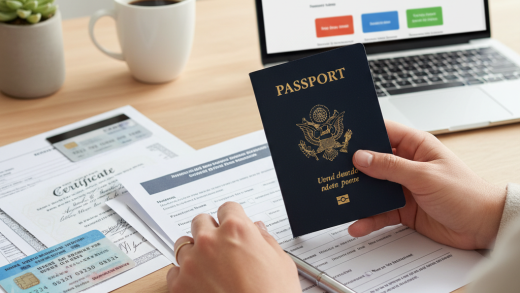
The Schengen visa application form is a standardized document available online or at the consulate. You must fill it out completely and honestly. Any discrepancy between your answers on the form and your supporting documents can lead to a rejection. The form asks for personal details, background information, the purpose of the trip, and details regarding your accommodation and funding. Once completed, print two copies and sign them at the designated places.
Step 3: Gather the Required Documents
Documentation is the backbone of your application. While specific requirements can vary slightly by country, the standard checklist includes:
- Valid Passport: It must have at least two blank pages, be issued within the last 10 years, and be valid for at least three months beyond your planned departure from the Schengen area.
- Photographs: Two recent passport-sized photos strictly adhering to Schengen specifications (light background, neutral face).
- Travel Insurance: A policy covering medical emergencies and repatriation up to 30,000 Euros, valid across the entire Schengen zone.
- Proof of Accommodation: Hotel reservations, rental agreements, or an official invitation letter from a host.
- Flight Itinerary: Round-trip flight reservations showing entry and exit dates.
- Proof of Financial Means: Bank statements for the last three to six months, pay slips, or an employment contract proving you can support yourself during the trip.
Step 4: Schedule an Appointment
Walk-in applications are generally not accepted. You must schedule an appointment with the consulate or an authorized external service provider (such as VFS Global, TLScontact, or BLS International). Due to high demand, especially during holiday seasons, it is highly recommended to book your appointment at least 3 to 4 weeks in advance. You can apply up to six months before your intended date of travel.
Step 5: Attend the Interview and Biometrics
On the day of your appointment, arrive on time with all your original documents and photocopies. During the submission process, you will be asked to provide biometric data, which includes a digital photograph and fingerprints. You may also undergo a short interview. The consular officer might ask about your trip itinerary, your job, your relationship to the sponsor (if any), and your intent to return to your home country. Answer confidently and ensure your verbal responses align with your documents.
Step 6: Pay the Visa Fee
A non-refundable visa fee is required to process your application. As of standard regulations, the fee is typically 80 Euros for adults and 40 Euros for children aged 6 to 12. Children under 6, students, and researchers may sometimes be exempt depending on the specific country’s policy. Payment is usually made in the local currency equivalent at the time of the appointment, either via cash or card.
Conclusion
Applying for a Schengen Visa requires patience and meticulous attention to detail. By ensuring your documents are authentic, your financial proof is solid, and your travel intent is clear, you significantly increase your chances of success. Processing times generally take 15 calendar days but can extend up to 45 days in complex cases. Start your preparation early, follow this guide, and get ready to explore the rich culture and history of Europe.